Steel sheet price list updates often trail actual raw material cost fluctuations by 2–6 weeks—creating hidden margin risks for procurement teams, project managers, and financial approvers. Whether you're quoting on ss pipe 304 price, sourcing 321 stainless steel pipe, or evaluating custom steel tubing and 304L stainless steel plate, this lag impacts budgeting, tender accuracy, and supply chain resilience. As a trusted China steel supplier specializing in hot galvanized steel, industrial steel pipes, A36 steel pipe, galvanised steel sheet metal, and structural steel solutions, Hongteng Fengda helps global buyers anticipate volatility—not just react to it.
Why Price Lists Don’t Reflect Real-Time Market Shifts
Steel sheet pricing is rarely updated in real time because it reflects negotiated bulk contracts—not spot market movements. Most suppliers revise published lists every 2–4 weeks, aligning with internal production planning cycles, raw material procurement windows (typically 7–15 days), and logistics scheduling. This creates a structural delay: when iron ore or scrap prices spike or dip, the effect takes 2–6 weeks to appear in official quotations.
For procurement professionals managing multi-million-dollar infrastructure tenders, this lag means budgets based on last week’s price list may already be misaligned by ±3–8% before PO issuance. Financial approvers face similar exposure: forecasted COGS variance can widen significantly if raw material indexes shift mid-cycle without proactive recalibration.
The issue compounds across alloy grades. For example, 304 stainless steel plate pricing depends on nickel and molybdenum futures—both highly volatile commodities. Meanwhile, carbon steel sheet like A36 or Q235B tracks domestic billet and hot-rolled coil benchmarks, which respond differently to energy costs and regional demand. Without granular visibility into these drivers, even experienced technical evaluators risk over-specifying or under-budgeting.
How Structural Steel Buyers Mitigate Lag Risk
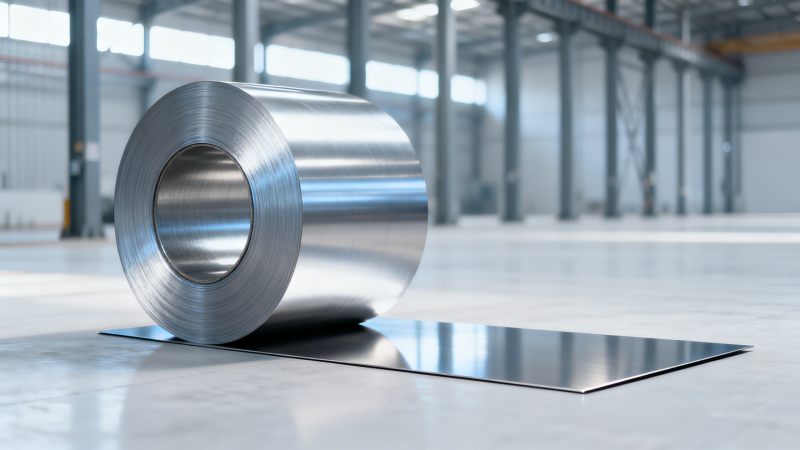
Proactive buyers treat published price lists as reference points—not binding commitments. They layer three complementary strategies: index-linked clauses, rolling quotation windows, and early engagement with manufacturers who maintain transparent input-cost tracking.
Hongteng Fengda supports this approach through its dual-tier pricing model: standard list prices (updated monthly) plus real-time “project-specific quotes” tied to confirmed order dates and material release timelines. This allows project managers and OEM procurement teams to lock in margins earlier—especially critical for long-lead items like H Shape Beam, where fabrication lead times span 4–8 weeks and raw material exposure extends further.
Our manufacturing base in China enables rapid response to upstream shifts: we monitor daily scrap, billet, and alloy surcharge data from Shanghai Metal Exchange (SMM), London Metal Exchange (LME), and CRU. When nickel prices rise >5% week-on-week, our commercial team proactively alerts clients with revised forecasts—before formal list updates—giving engineering and finance teams time to adjust scope or negotiate contingency buffers.
Comparing Material Response Times Across Common Grades
Not all steel products absorb raw material volatility at the same pace. Carbon steels like Q235B or ASTM A36 typically reflect changes within 2–3 weeks due to shorter melt-shop cycles and domestic scrap availability. Stainless alloys—including 304, 316, and 321—often lag 4–6 weeks, owing to longer import lead times for nickel, chromium, and molybdenum, plus stricter melting and annealing controls.
This differential matters most for cross-material comparisons—e.g., selecting between galvanised steel sheet metal and 304 stainless steel plate for outdoor structural cladding. While both serve corrosion resistance, their cost trajectories diverge significantly during commodity spikes. Buyers using only static price lists may unknowingly favor one option solely due to outdated benchmarks—not lifecycle value.
Procurement Checklist: What to Verify Before Finalizing Orders
To reduce margin erosion from pricing lag, procurement and technical evaluation teams should verify five elements before signing off on any steel sheet or structural component order:
- Confirm whether quoted pricing references a fixed date or includes an index clause (e.g., “+/- nickel surcharge per LME closing on order confirmation date”)
- Validate lead time alignment: does the supplier guarantee material release within 7–10 days of order, or is delivery contingent on future raw material allocation?
- Review certification validity: standards like ASTM A572, EN10025, and JIS G3101 require mill test reports dated within 30 days of shipment
- Clarify tolerance bands: for H Shape Beam applications in bridging or mechanical manufacture, flange thickness variation must stay within ±0.5mm across 12m lengths
- Assess traceability depth: full batch-level traceability (heat number, rolling date, chemical analysis) is essential for safety-critical uses like automobile chassis or offshore platforms
Hongteng Fengda embeds all five checks into our standard order workflow—ensuring that when you source structural steel components like H Shape Beam, your project benefits from verified compliance, predictable lead times (typically 4–6 weeks for standard sizes), and documented raw material traceability back to certified mills.
Why Partner With a China-Based Structural Steel Manufacturer?
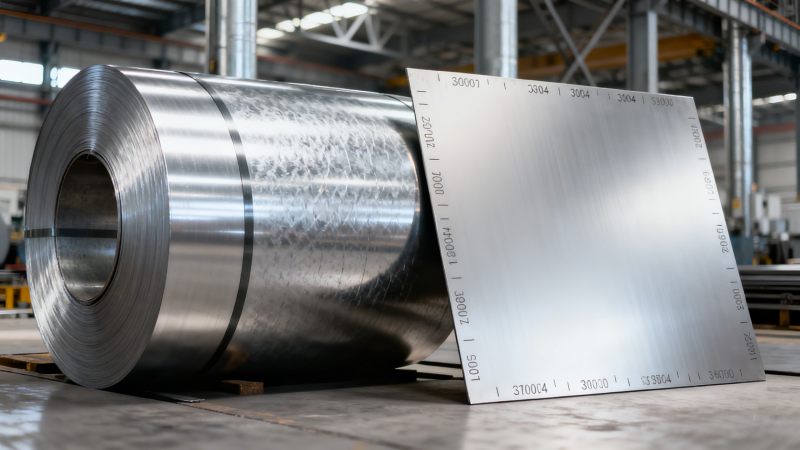
Global buyers increasingly choose vertically integrated Chinese manufacturers—not for lowest cost alone, but for responsiveness, scalability, and embedded risk mitigation. Unlike trading intermediaries, Hongteng Fengda controls the full value chain: from raw material procurement and smelting partnerships to precision rolling, galvanizing, and CNC fabrication.
We support over 120 international projects annually across North America, Europe, and Southeast Asia—with consistent adherence to ASTM, EN, JIS, and GB standards. Our quality system includes third-party audits (SGS, BV, TÜV), 100% dimensional inspection on structural profiles, and real-time production dashboards accessible to clients upon request.
If your next tender involves ss pipe 304 price modeling, 321 stainless steel pipe specification, or custom H Shape Beam configurations for shipbuilding or bridging, contact us for a tailored quote—including raw material index alignment, delivery timeline mapping, and certification documentation preview. We’ll help you turn pricing lag from a risk into a managed variable.
Please give us a message


Please enter what you want to find