Steel Export Volume Rises 12% at Key Ports Amid Tight Shipping Space
Lead: As of May 15, 2026, data from China Union Steel reveals a 12% month-on-month increase in steel export volume at Tangshan and Qingdao ports. Combined with the normalization of Red Sea rerouting, booking cycles for major shipping routes have extended to 10–14 days. Overseas importers are advised to place purchase orders (POs) at least three weeks in advance to avoid delivery delays. This development highlights critical challenges for global trade logistics and steel supply chains.
Event Overview
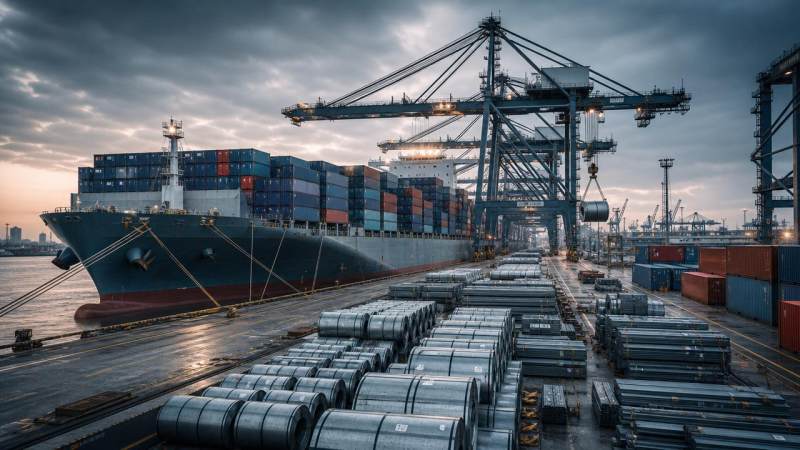
According to verified industry data, steel export volume at Tangshan and Qingdao ports surged by 12% in mid-May 2026 compared to the previous month. Concurrently, prolonged Red Sea diversions have exacerbated container shortages, pushing booking lead times to 10–14 days on primary routes. The data underscores mounting pressure on maritime logistics amid recovering global steel demand.
Impact on Key Industries
1. Steel Exporters and Traders
Analysis shows exporters face compressed margins due to rising freight costs and delayed payments. Contracts with fixed pricing are particularly vulnerable. Firms are advised to renegotiate CIF terms and diversify route options.
2. Overseas Buyers
Observably, importers in Southeast Asia and Africa experience inventory bottlenecks. Those reliant on just-in-time inventories must adjust procurement plans. Securing early vessel slots is now critical.
3. Shipping and Logistics Providers
The strain on capacity favors carriers with flexible fleets. Forwarders should prioritize high-margin cargo and update clients on dynamic surcharges.
Strategic Recommendations
Monitor Route Reliability
Track carrier announcements for schedule changes, especially Africa-bound services.
Advance Financial Planning
Factor in 15-20% higher freight costs for Q3 contracts.
Diversify Supply Chains
Explore transshipment via Mediterranean hubs to mitigate Red Sea disruptions.
Industry Perspective
This development reflects broader trade recalibration rather than temporary congestion. Analysis suggests the extended booking windows may persist through 2026-Q3 as fleet deployment lags behind demand recovery. The steel industry must treat logistics as a strategic variable, not just an operational cost.
Conclusion
The 12% export surge signals rebounding global infrastructure activity, while shipping constraints reveal systemic vulnerabilities. Stakeholders should interpret this as a catalyst for supply chain redesign rather than a passing disruption.
Source: China Union Steel Data (Verified May 15, 2026), Container Shipping Line Updates
Please give us a message


Please enter what you want to find