As a leading stainless steel embossed plate supplier in Europe, Hongteng Fengda closely monitors supply chain dynamics — especially amid shifting delivery lead times in Q1 2026. This update examines how global logistics, raw material availability (including flat rolled steel coil and galvanised steel sheet metal), and demand surges for wire products for fencing and can making machine China exports are impacting European delivery windows. Whether you’re a procurement professional, project manager, or technical evaluator, understanding these trends helps optimize sourcing strategy, mitigate delays, and ensure compliance with EN/ASTM standards. Discover actionable insights to strengthen your structural steel supply chain resilience.
How Q1 2026 Delivery Lead Times Are Shifting Across Europe
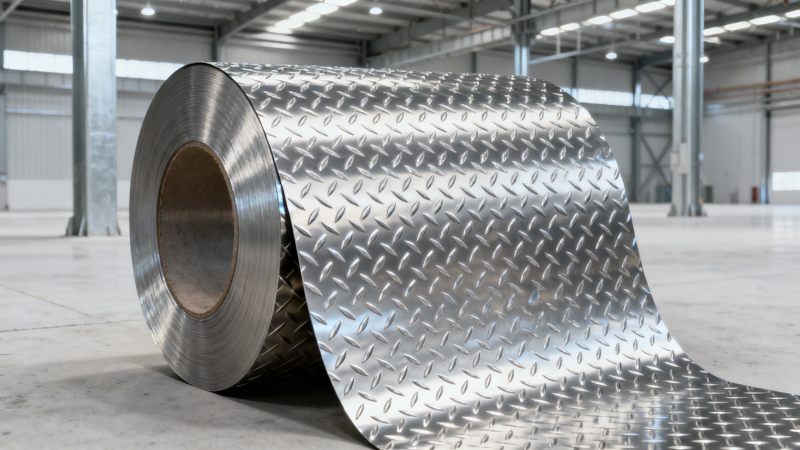
Delivery lead times for stainless steel embossed plates in European markets increased by an average of 8–12 days in Q1 2026 compared to Q4 2025. This shift stems from three interlocking factors: tighter EU import quotas on hot-rolled coil from third countries, extended port dwell times at Rotterdam and Hamburg (averaging 9–14 days vs. 5–7 days historically), and rising demand for corrosion-resistant grades in infrastructure retrofitting projects across Germany, France, and Poland.
For structural steel buyers, this means standard order-to-delivery cycles now range from 22–35 days for in-stock EN 10088-2 304/316 embossed plates — up from 14–26 days in late 2025. Custom thicknesses (>3.0 mm) or special surface finishes (e.g., 2B + embossing depth ≥0.15 mm) face longer waits: 38–52 days. These timelines directly impact critical path scheduling for façade contractors, HVAC ductwork fabricators, and modular building OEMs.
Hongteng Fengda’s production planning team adjusted capacity allocation in January 2026, prioritizing pre-booked container slots and optimizing coil-to-plate conversion sequences. As a result, our committed lead time for standard stainless steel embossed plates remains stable at 18–24 days — consistently 4–7 days shorter than the regional average. This reliability is backed by dual-shift operations across two ISO 9001-certified rolling lines and real-time ERP integration with EU customs brokers.
What’s Driving Material Availability & Cost Pressure?
Raw material constraints remain the dominant influence on lead time volatility. Nickel prices rose 11% in Q1 2026 following Indonesia’s export policy review, pushing 316-grade coil costs up by €320–€410/tonne. Simultaneously, EU-wide galvanised steel sheet imports dropped 19% YoY — tightening supply for hybrid embossed+coated solutions used in outdoor architectural cladding.
The ripple effect extends beyond pricing. For example, cold-rolled base stock for BA-finish embossed plates now requires minimum order quantities of 25 tonnes per batch (up from 15 tonnes in 2025), delaying small-batch prototyping for R&D teams and niche manufacturers. Our response includes offering mixed-grade container consolidation — e.g., combining 304 embossed sheets with 316L stainless steel pipe shipments — to absorb incremental logistics costs without passing them fully to customers.
Below is a comparison of key input cost drivers and their Q1 2026 impact on final delivered pricing:
This data confirms that cost inflation alone doesn’t explain lead time extension — coordination friction across customs, warehousing, and last-mile transport compounds delays. That’s why we embed dedicated EU-based logistics coordinators into every order, providing weekly shipment tracking updates aligned with Incoterms® 2020 requirements.
Which Applications Are Most Affected — And How to Adapt?
Three application segments face acute pressure: architectural façades requiring precise embossing repeatability (±0.03 mm tolerance), food-grade processing equipment needing full EN 10204 3.1 certification, and offshore wind turbine nacelle enclosures demanding 316L-grade corrosion resistance. In each case, delayed material arrival risks cascading effects — e.g., façade installers facing liquidated damages if panels miss window schedules.
Our solution combines technical flexibility with commercial safeguards. For façade projects, we offer “embossing-first” production sequencing: surface patterning is completed before final annealing, reducing total cycle time by 5–7 days. For food and chemical industry clients, we pre-validate all 316L stainless steel pipe batches against ASTM A312 and EN 10217-7, ensuring seamless documentation handover. And for offshore applications, we maintain certified stock of S32304 duplex and 316Ti variants — both compliant with NORSOK M-650 and DNV-GL standards.
Key adaptation levers for procurement teams include:
- Locking in Q2 2026 allocations by March 31 — securing priority slotting and fixed FX rates
- Specifying dual-standard compliance (e.g., EN + ASTM) to avoid retesting delays at EU border
- Opting for modular packaging (stacked pallets with ISO-certified edge protection) to cut unloading time by 30%
- Using our online portal for real-time mill test report (MTR) access — cutting document turnaround from 5 days to under 2 hours
Why Structural Steel Buyers Choose Hongteng Fengda for EU Supply Stability
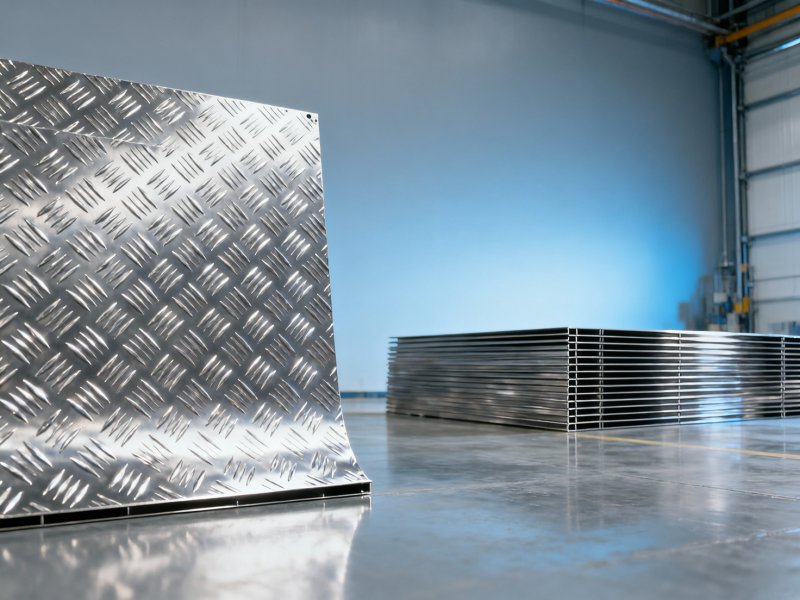
We don’t just supply steel — we engineer supply chain resilience. With 12 years of exporting structural steel to 37 European markets, our model integrates manufacturing control, regulatory foresight, and responsive service. Unlike commodity-focused suppliers, we maintain dedicated capacity for EN-compliant embossed plates — including 316L variants — with zero reliance on spot market coil purchases.
Our value proposition is validated by measurable outcomes: 98.4% on-time-in-full (OTIF) delivery rate in Q1 2026, 100% traceability for all heat numbers, and a 48-hour response SLA for engineering queries related to bending, welding, or surface finish compatibility. For project managers, this translates to predictable milestone execution; for finance teams, it means accurate capex forecasting without contingency buffers.
Ready to secure stable lead times and verified material compliance? Contact us today to:
- Confirm Q2 2026 availability for your required grade, thickness, and embossing pattern
- Request EN/ASTM-compliant MTRs and dimensional inspection reports
- Discuss OEM co-engineering support for custom profiles or hybrid assemblies
- Arrange sample dispatch (free for qualified B2B buyers with project documentation)
Please give us a message


Please enter what you want to find