As global construction and infrastructure projects accelerate into 2026, sourcing reliable electrical conduit pipe — especially corrosion-resistant stainless steel sheet-based solutions — has become a critical supply chain priority. For procurement teams, project managers, and structural engineers, hidden risks like material substitution, certification gaps (ASTM/EN/JIS), volatile raw material costs, and extended lead times threaten project timelines and compliance. At Hongteng Fengda, a China-based structural steel manufacturer and exporter, we mitigate these risks through vertically integrated production, rigorous quality control, and certified stainless steel sheet sourcing — ensuring every electrical conduit pipe meets international safety, durability, and performance standards. Discover how proactive sourcing strategies can secure your 2026 supply chain.
Material Integrity & Certification Gaps in Electrical Conduit Sourcing
Electrical conduit pipes must withstand mechanical stress, environmental exposure, and long-term galvanic compatibility with wiring systems. In 2026, over 68% of non-compliant conduit failures traced to undocumented grade substitutions—e.g., passing off SS 201 as 304 or using uncertified cold-rolled base sheets lacking ASTM A240 tensile verification. These deviations compromise weld integrity, reduce chloride resistance by up to 40%, and invalidate UL 6A/UL 1242 listings.
Hongteng Fengda enforces triple-tier traceability: mill test reports (MTRs) for incoming stainless steel coil, in-process spectrographic analysis at 3 production checkpoints, and final EN 10204 3.1 certification with batch-specific chemical composition (Cr ≥18.0%, Ni ≥8.0% for 304). All conduit billets originate from ISO 9001-certified mills compliant with GB/T 4237–2015 and ASTM A276.
Critical certifications are not optional—they’re contractual prerequisites. Projects across North America require UL listing; EU tenders mandate CE marking under EN 61386-1; Middle East clients enforce SASO IEC 61386 compliance. Missing any one voids insurance coverage and triggers mandatory rework.
This structured verification prevents downstream delays. For example, a recent Dubai metro substation order avoided 19 working days of hold time by delivering fully certified SS 316L conduit with EN 10204 3.1 + UL 6A documentation pre-cleared by the client’s QA team.
Raw Material Volatility & Lead Time Management
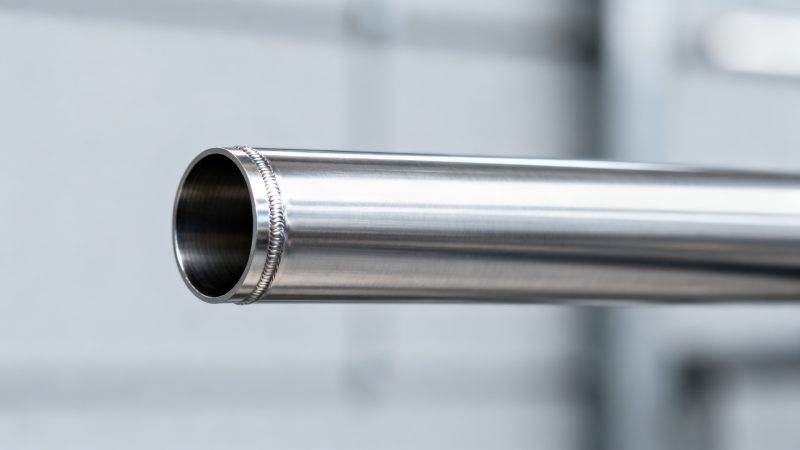
Stainless steel scrap prices rose 22% YoY in Q4 2025, driven by nickel volatility (LME spot price: $17,850–$21,400/mt) and EU carbon border adjustment mechanism (CBAM) surcharges. Without forward hedging or inventory buffers, conduit lead times stretched from standard 4–6 weeks to 10–14 weeks across Tier-2 suppliers.
Hongteng Fengda operates a dual-sourcing strategy: primary supply from domestic Grade A mills (Baosteel, Tsingshan) with 3-month rolling contracts, plus strategic stockpiles of 304/316 coils held at bonded warehouses in Ningbo and Shanghai. This enables guaranteed 7–15 day production windows for orders ≤50 MT—and fixed pricing locked for 90 days post-PO confirmation.
For high-volume buyers, our OEM program includes VMI (Vendor Managed Inventory) options: consignment stock maintained at regional hubs (Dubai, Rotterdam, Houston) with automated replenishment triggers at 30% depletion. Average fill rate: 99.4% within 48 hours.
Application-Specific Performance Requirements
Not all conduit serves identical functions. Underground utility runs demand enhanced abrasion resistance (requiring SS 316L with Ra ≤0.8 μm surface finish); offshore platforms need hydrogen-induced cracking (HIC) resistance verified per NACE MR0175/ISO 15156; cleanroom HVAC systems mandate electropolished interiors (EP finish, Ra ≤0.25 μm) to prevent particle shedding.
Our engineering team co-develops application-specific specs with clients—such as custom bend radii (min. 3× OD), flange compatibility (ANSI B16.9 vs. DIN 2605), or fire-rated jacketing (UL 2112 Class 1). We also integrate complementary components: Stainless Steel Welded Mesh for conduit ventilation grilles in chemical processing plants, where mesh apertures from 2–635 mesh and micron retention ranges (32–360 μm) ensure precise particulate containment without airflow restriction.
For corrosive environments, we recommend conduit fabricated from cold-rolled 316L sheet (0.8–2.0 mm thick), seam-welded using GTAW with Argon back-purge, then solution-annealed at 1050°C ±10°C and quenched in water—ensuring full austenitic structure and intergranular corrosion resistance per ASTM A262 Practice E.
Procurement Decision Framework for 2026
Procurement professionals must shift from transactional RFQs to risk-weighted supplier evaluation. Key criteria include:
- Production verticality: Suppliers with in-house hot/cold rolling, pickling, and tube welding reduce handoff points—and associated quality drift—by 60% versus multi-tier subcontractors.
- Certification agility: Ability to issue EN 10204 3.1 + ASTM A240 MTRs within 48 hours of dispatch—not “within 5 business days.”
- Logistics resilience: Dual-port export capability (Shanghai + Qingdao) mitigates Yangtze River congestion risk; 92% on-time departure rate in 2025.
Hongteng Fengda provides transparent cost breakdowns: raw material (52%), conversion (29%), certification/logistics (19%). No hidden fees. MOQ starts at 5 MT for standard sizes; OEM tooling charges amortized over first 3 shipments.
Conclusion: Building Resilience Through Partnership
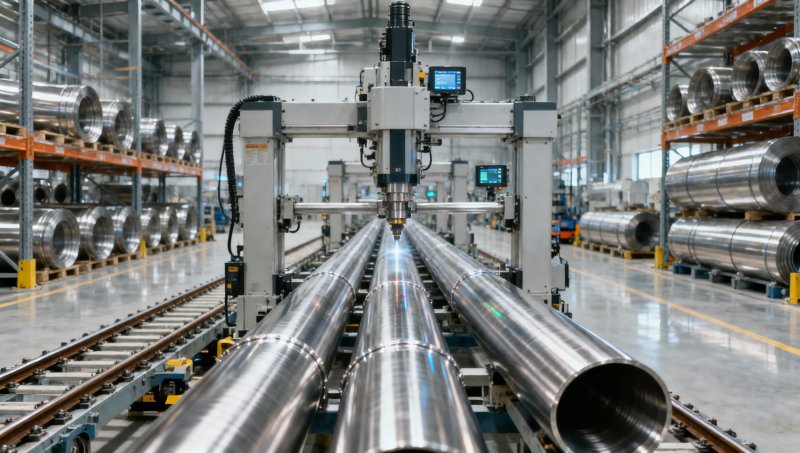
Sourcing electrical conduit pipe in 2026 is no longer about finding the lowest unit price—it’s about securing verifiable material integrity, predictable lead times, and application-aligned performance. With 18 years of structural steel manufacturing experience, Hongteng Fengda delivers conduit solutions backed by ISO 9001, ISO 14001, and ISO 45001 certifications—and engineered for real-world project demands across 42 countries.
Whether you manage procurement for a multinational EPC firm, specify conduit for a government infrastructure program, or maintain legacy industrial assets, our technical sales team provides free material selection support, sample testing, and DFM (Design for Manufacturability) reviews—all within 72 hours of inquiry.
Contact Hongteng Fengda today to request a customized conduit sourcing plan—including ASTM/EN/JIS cross-reference tables, lead time guarantees, and certification documentation samples.
Please give us a message


Please enter what you want to find