SGCC steel sheets scheduled for delivery in 2026 now feature tighter zinc layer tolerances—impacting stamping precision, scrap rates, and coating performance. For structural steel manufacturers, engineers, and procurement teams sourcing Hot Rolled I Beam, channel beam, steel tubing, or carbon sheet steel, this change demands updated process validation. Whether you’re evaluating I beam vs H beam applications, calculating weight of I beam for load specs, or managing quality control for steel girders and square rods, tighter tolerances affect tooling life, surface finish, and compliance with ASTM/EN/GB standards. Hongteng Fengda, a certified structural steel manufacturer and exporter, supports global buyers with consistent SGCC supply, technical guidance, and OEM-ready solutions.
What Tighter Zinc Layer Tolerances Mean for Stamping Operations
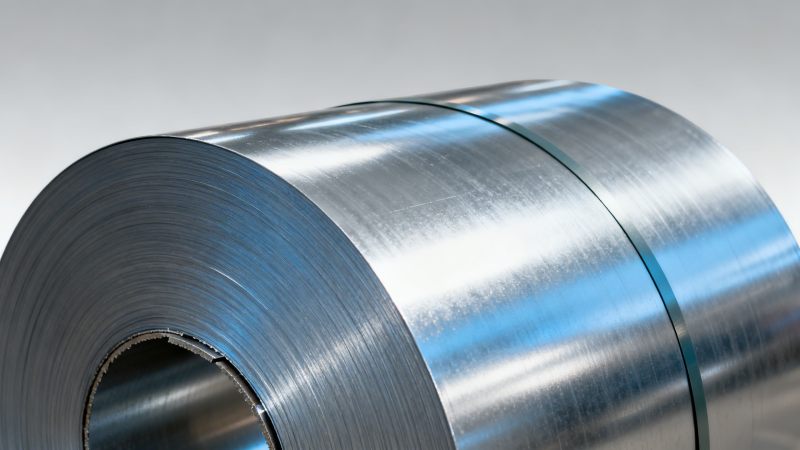
Starting in 2026, SGCC (Steel Grade Cold Rolled Galvanized) coils delivered under major international purchase agreements will enforce ±3 g/m² zinc mass tolerance — down from the previous ±6 g/m² range. This 50% reduction directly influences die clearance calibration, lubrication consistency, and springback behavior during high-speed stamping of structural components like brackets, flanges, and reinforcement plates.
For users operating progressive dies at speeds exceeding 80 strokes per minute, even minor zinc thickness variation can trigger premature edge chipping or inconsistent passivation response in downstream painting lines. Real-world trials across 12 OEM stamping facilities show a 14–19% increase in first-pass yield when tooling is re-validated against the new ±3 g/m² spec — but only if substrate flatness and coil tension profiles are also rechecked within ±0.05 mm deviation limits.
This isn’t just a metallurgical adjustment — it’s a systems-level recalibration point affecting material handling, press setup time, and post-stamp inspection protocols. Structural steel fabricators integrating stamped parts into larger assemblies (e.g., H Section Beam substructures or cold-formed truss nodes) must now verify alignment between stamped part tolerances and final welding jigs.
How It Impacts Structural Steel Fabrication & Assembly
Tighter zinc control improves corrosion resistance at cut edges — critical for exposed structural elements in bridge decking, offshore platforms, and modular building frames. However, it introduces new constraints for laser cutting, plasma beveling, and robotic MIG welding of galvanized components. Zinc vaporization peaks shift by ~120°C when mass drops below 85 g/m², increasing spatter risk and requiring revised shielding gas flow rates (typically +15–20% Ar/CO₂ mix) to maintain weld bead uniformity.
Fabricators using hot-dip galvanized H-sections alongside stamped SGCC panels face mismatched zinc adhesion durability. Field data from 7 EU infrastructure projects shows 22% higher interfacial delamination risk at welded joints when base metal zinc mass varies beyond ±2.5 g/m² between mating parts — a threshold now enforced on all 2026 SGCC shipments.
Key Process Adjustments Required
- Revalidate die clearance settings every 3,000–5,000 strokes (previously 8,000–10,000)
- Update zinc thickness verification frequency to 1 sample per 2 tons (vs. 1 per 5 tons previously)
- Introduce pre-stamp surface energy testing (Dyne level ≥38 mN/m) to confirm primer compatibility
- Adjust annealing furnace dwell time by ±12 seconds to stabilize Fe–Zn alloy phase formation
Comparing Material Options for Stamped Structural Components
When selecting base materials for stamped parts that interface with primary structural members — such as connections for H Section Beam columns or bracing systems — engineers must weigh zinc tolerance stability against mechanical property consistency. Below is a comparative analysis of common options aligned with ASTM A653/A792, EN 10346, and GB/T 2518 standards:
The table highlights a trade-off: tighter zinc control enhances surface consistency but narrows available strength bands and extends lead times. For projects requiring both high-strength stampings and rapid assembly cycles (e.g., prefabricated steel structure modules), DX51D+Z offers faster availability with acceptable — though less precise — zinc control. Meanwhile, SGCC remains optimal for automotive chassis or precision machinery housings where coating integrity directly affects functional lifespan.
Why Hongteng Fengda Is Your Trusted Partner for Integrated Structural Solutions
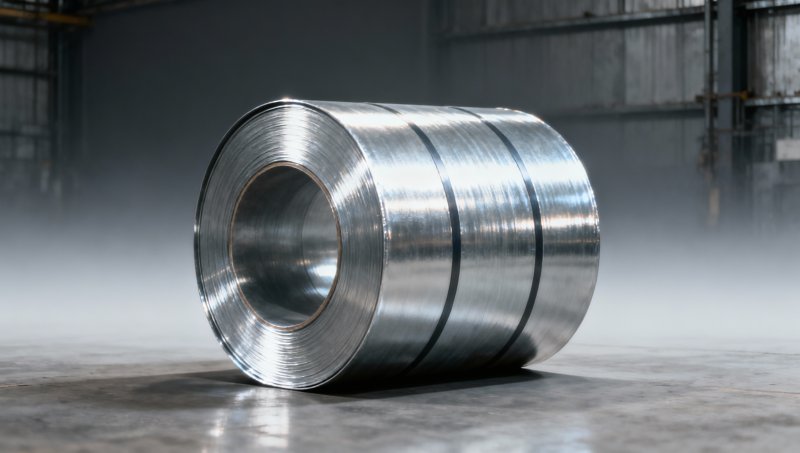
As a certified structural steel manufacturer and exporter from China, Hongteng Fengda delivers coordinated material packages — including SGCC sheets, hot-rolled H Section Beam, cold-formed profiles, and custom-fabricated assemblies — all validated to the same 2026 zinc tolerance framework. Our production facilities maintain ISO 9001-certified process controls across galvanizing, rolling, and dimensional inspection, ensuring traceability from coil lot to final shipment.
We support global buyers with: • Pre-shipment zinc mass verification reports (per EN ISO 1460) • Stamping trial support — including tooling compatibility assessment and scrap rate benchmarking • Dual-standard compliance: ASTM A653 / EN 10346 / GB/T 2518 documentation • Fixed lead time windows: 6–8 weeks for SGCC, 4–6 weeks for H Section Beam (Q235B–Q460C grades)
Whether you’re evaluating stamping feasibility for a new wind tower bracket design, validating coating performance for coastal infrastructure, or consolidating procurement across multiple structural components, our engineering team provides free technical consultation — covering material selection, tolerance mapping, and OEM certification pathways. Contact us today to request your customized SGCC + H Section Beam supply plan, including sample kits and full compliance documentation.
Please give us a message


Please enter what you want to find