As global demand for structural steel intensifies in 2026, understanding Q235 steel plate price drivers—especially raw material volatility and regional supply constraints—is critical for procurement professionals, project managers, and decision-makers. At Hongteng Fengda, a leading Chinese structural steel manufacturer and exporter, we monitor real-time impacts on Q235 steel plate, S235JR steel plate, S355JR steel plate, A36 steel plate, Corten steel plate, industrial steel plate, and galvanized wire for construction. Our insights help buyers mitigate cost risks, ensure supply continuity, and align sourcing strategies with ASTM, EN, JIS, and GB compliance—whether you're evaluating technical specs, negotiating contracts, or managing cross-border logistics.
What’s Driving Q235 Steel Plate Prices in 2026?
Q235 steel plate remains the most widely used carbon structural grade across global infrastructure, industrial fabrication, and building projects—accounting for over 65% of domestic structural plate volume in China and maintaining strong adoption in Southeast Asia and the Middle East. In 2026, its pricing is no longer dictated solely by iron ore and coking coal inputs. Instead, two interlocking forces dominate: upstream raw material cost volatility and localized supply chain rigidity.
Iron ore prices have fluctuated between USD 98–132/ton since Q1 2026 due to port congestion in Brazil, reduced output from Australian mines under new environmental audits, and increased seaborne freight costs averaging USD 28–35/ton for Asia–Europe routes. Simultaneously, scrap steel availability has tightened in key export hubs—including Hebei and Jiangsu—where local recycling capacity grew only 4.2% YoY versus 12.7% demand growth in prefabricated construction segments.
These dynamics create asymmetric pressure: while base input costs rise gradually, regional bottlenecks cause sudden delivery delays (up to 22 business days beyond standard 15-day lead time) and premium surcharges of 3–7% for urgent allocations in Q2–Q3 2026.
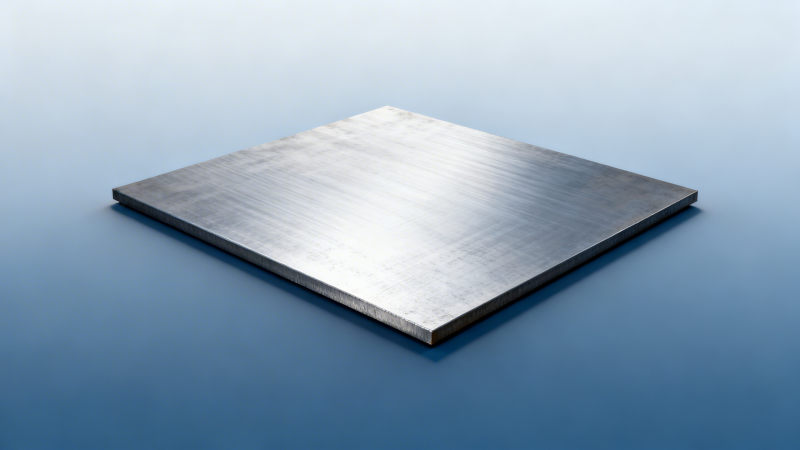
Raw Material Costs vs. Regional Supply Constraints: A Comparative Impact Analysis
Understanding how each factor influences final landed cost—and which one carries greater weight in your specific region—is essential for accurate budgeting and contract negotiation. Below is a side-by-side assessment of influence magnitude, lead time sensitivity, and mitigation levers available to buyers.
This table reveals a key insight: while raw material inflation sets the baseline, regional supply constraints introduce the highest variability—and therefore the greatest risk exposure—for buyers operating outside primary distribution corridors. For example, a buyer in Mexico City may face lower iron ore cost pressure than one in Rotterdam—but experience steeper premiums due to limited direct vessel access and customs clearance delays averaging 8.3 days at Manzanillo port.
How Wire Rod Fits Into the Structural Steel Sourcing Ecosystem
Beyond plate, complementary products like Wire Rod play a strategic role in integrated structural solutions. With grades spanning GB1499.2 HRB400 through AS/NZS 4671 500N and material options including Q235, Q345, St37, and St52.4, it serves as both reinforcement and feedstock for cold-formed profiles, anchor systems, and precision fasteners used alongside Q235 plates in modular buildings and bridge substructures.
Its carbon content range (0.06–0.22%) and yield point consistency (<0.25% variance across batches) make it especially valuable when welding compatibility and bendability are non-negotiable—such as in seismic-resistant façade framing or offshore platform tie-ins. Standard lengths (1–12m) and round-section geometry support automated feeding into CNC bending lines, reducing labor input by up to 30% versus cut-and-weld alternatives.
Procurement Strategy Recommendations for Q235 Buyers in 2026
Given this dual-pressure environment, successful procurement requires shifting from reactive quoting to proactive planning. We recommend a four-pillar approach:
- Lock in capacity early: Reserve production slots at least 6–8 weeks ahead—especially for orders exceeding 50 tons—to avoid last-minute allocation penalties.
- Validate certification alignment upfront: Confirm ASTM A36, EN 10025-2 S235JR, or GB/T 700 Q235B compliance at order entry—not upon inspection—to prevent rework or rejection.
- Leverage bundled sourcing: Combine Q235 plate with complementary items like Wire Rod, angle steel, or galvanized fasteners to secure consolidated logistics and volume-based discounts (typically 2.5–4.8%).
- Engage supplier engineering support: Use our in-house technical team for weld procedure qualification (WPQ), dimensional tolerance review, and cut-to-length optimization—reducing field waste by 11–17% on average.
For buyers managing multiple projects across North America and Europe, our dual-certified facilities (ISO 9001:2015 + IATF 16949) enable seamless traceability from slab casting to final packaging—ensuring full audit readiness for Tier-1 contractors and government tenders requiring full material test reports (MTRs) per EN 10204 3.2.
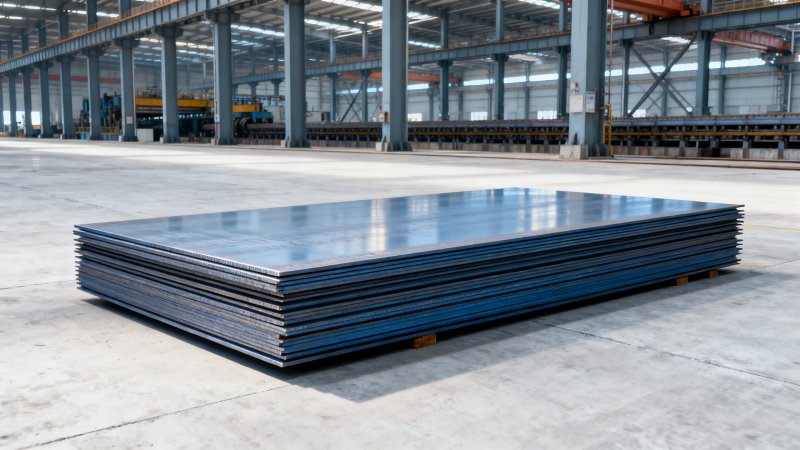
Why Partner With Hongteng Fengda for Q235 Steel Plate & Integrated Solutions?
We’re not just a supplier—we’re a structural steel partner embedded in your supply chain resilience plan. Since 2008, Hongteng Fengda has delivered over 2.1 million tons of certified structural steel to 47 countries, maintaining 99.3% on-time-in-full (OTIF) performance across 2023–2025—even during peak shipping disruptions.
Our advantage lies in vertical integration: own rolling mills, in-house heat treatment lines, and dedicated export QC labs calibrated to ASTM E8/E23 and ISO 6892-1 standards. This means tighter control over thickness tolerance (±0.15mm for 6–20mm plates), surface finish consistency (Ra ≤ 12.5μm), and mechanical property repeatability—critical when your project schedule hinges on first-pass fit-up.
Whether you need Q235 steel plate for a wind turbine foundation in Texas, S355JR beams for a hospital expansion in Warsaw, or custom cold-formed purlins for a solar farm in Dubai, we offer:
- Real-time price benchmarking against Shanghai Futures Exchange (SHFE) iron ore index
- Fixed-lead-time guarantees: 18–22 days ex-works for standard sizes (6–40mm × 1500–2500mm × 6–12m)
- OEM design collaboration—from 2D drawings to DFM analysis and prototype validation
- Multi-standard documentation packages (ASTM + EN + GB) issued within 48 hours of shipment
Ready to align your 2026 structural steel procurement with predictable cost, verified compliance, and zero-surprise delivery? Contact our technical sales team today for a free capacity check, customized quote, or sample pack—including full MTRs and third-party SGS verification reports.
Please give us a message


Please enter what you want to find