On June 1, 2026, JSW Steel announced the commencement of construction for a major integrated steel plant in Odisha, India, with a targeted annual capacity of 13.2 million tons. This project marks a significant step in India's efforts to enhance domestic production of steel plates and long products, potentially reducing reliance on imported Chinese mid-to-high-end hot-rolled and cold-rolled steel products. Industry stakeholders, particularly distributors in South Asia and the Middle East, should monitor India's capacity expansion and assess opportunities for product differentiation.
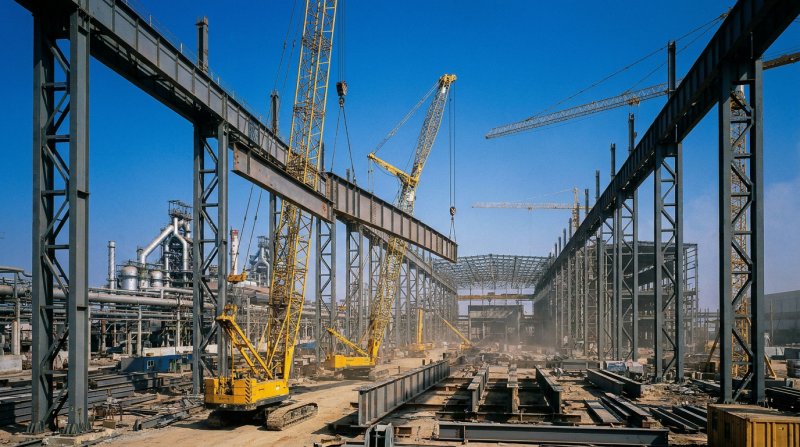
Key Project Details
JSW Steel's new facility in Odisha is designed to produce both steel plates and long products, addressing gaps in India's domestic supply chain. The 13.2 million ton annual output positions it as one of India's largest steelmaking projects to date. The company has not disclosed an estimated completion date or phased production targets.
Market Implications Across the Supply Chain
For Steel Exporters to India
Chinese manufacturers of hot-rolled and cold-rolled steel products may face reduced demand from Indian buyers as domestic production ramps up. Analysis shows this could particularly affect mid-to-high-end product categories where India currently depends on imports.
For Regional Distributors
South Asian and Middle Eastern steel traders will need to track the plant's commissioning timeline and actual output quality. Observably, opportunities may emerge in specialized applications where Chinese steel maintains technical or cost advantages.
Strategic Considerations for Industry Players
Timing of Capacity Ramp-Up
Businesses should monitor JSW's official announcements regarding production timelines. From an industry perspective, the actual impact on import patterns won't materialize until the plant reaches significant operational capacity.
Product Differentiation Factors
What deserves closer attention is how Indian-made products will compare with imports in terms of quality consistency, specialty grades, and delivery flexibility - factors that often influence purchasing decisions beyond basic pricing.
Industry Perspective: A Long-Term Market Shift
It is more appropriate to understand this development as part of India's multi-year strategy for steel self-sufficiency rather than an immediate market disruption. The project aligns with broader trends of regionalization in heavy industry supply chains, though its full effects will depend on execution quality and global market conditions when production begins.
Monitoring India's Steel Industry Evolution
This project represents a notable but gradual change in Asia's steel trade dynamics. While reducing India's import needs in some product categories, it doesn't signal an abrupt shift. Market participants should track both JSW's implementation progress and how Chinese exporters adapt their product strategies in response.
Source Information
This analysis is based on JSW Steel's official announcement dated June 1, 2026 regarding the Odisha integrated steel plant project. Specific details about construction timelines and production schedules were not provided in the initial announcement and require further verification through official company communications. Ongoing monitoring of JSW's operational updates and India's steel import/export data will provide clearer indications of the project's market impact.
Please give us a message


Please enter what you want to find