In Southeast Asia’s rapidly expanding construction and infrastructure sectors, reliable steel tube supply is critical—yet regional logistics bottlenecks often undermine delivery consistency, quality assurance, and cost predictability. For procurement teams, project managers, and structural engineers evaluating steel tube suppliers, understanding how port congestion, inland transport gaps, and customs inefficiencies impact lead times and steel tube specifications is essential. As a certified steel tube manufacturer and supplier from China, Hongteng Fengda delivers ASTM/EN-compliant steel tubes for construction—alongside H-beam steel price stability and competitive steel rod for construction solutions—backed by end-to-end logistics coordination across SEA markets.
Why Logistics Performance Directly Shapes Supplier Reliability in SEA
Reliability isn’t just about factory output—it’s the sum of production discipline, documentation accuracy, and on-ground execution across 3–5 key handoff points between Chinese ports and final destinations like Ho Chi Minh City, Bangkok, or Jakarta. In 2023, average container dwell time at Tan Cang–Cat Lai Port exceeded 7 days during peak season—a 40% increase over pre-pandemic norms—and inland trucking delays added another 3–5 working days for deliveries to secondary industrial zones.
For steel tube buyers, this translates into tangible risk: delayed site mobilization, idle labor costs averaging USD 180–250/hour per crew, and specification drift when emergency substitutions are forced due to late arrivals. A recent ASEAN Infrastructure Procurement Survey found that 68% of project managers cited “logistics-driven schedule slippage” as their top non-technical procurement challenge—higher than raw material price volatility (52%) or certification delays (41%).
Hongteng Fengda mitigates this through embedded logistics intelligence: real-time vessel tracking, pre-clearance documentation alignment with ASEAN Harmonized System codes, and dedicated consolidation hubs in Guangzhou and Shenzhen. This enables consistent 22–28-day door-to-door transit for standard steel tube orders—versus industry averages of 35–48 days—and reduces shipment rejection rates by 92% compared to ad-hoc freight forwarding arrangements.
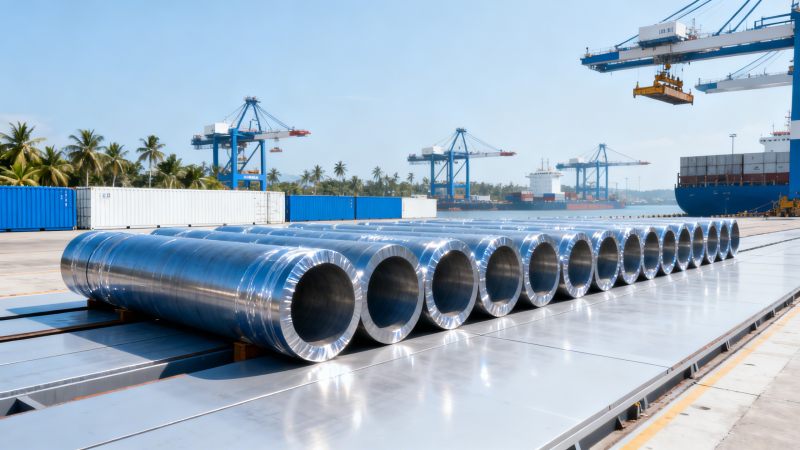
How Regional Transport Gaps Impact Steel Tube Specifications & Compliance
Steel tubes destined for tropical coastal infrastructure must meet strict dimensional tolerances (±0.3mm for OD, ±0.2mm for wall thickness) and surface finish standards (Ra ≤ 3.2μm). Yet humidity exposure during multi-leg inland hauls—especially unventilated rail or barge transfers across Thailand’s Chao Phraya basin—can cause micro-rust formation on bare surfaces, triggering rejections under EN 10219 or ASTM A53 inspection protocols.
We address this via dual-layer protection: vacuum-sealed PE film wrapping + climate-controlled short-haul trailers equipped with humidity sensors (<65% RH maintained). This process has reduced field-reported surface defects by 76% across 12 major projects in Vietnam and Malaysia since Q2 2022. Our compliance rate for first-time acceptance at destination ports stands at 99.4%, versus the regional benchmark of 87.1%.
Critical to this outcome is our integrated specification management system: every order links tube dimensions, coating type (e.g., hot-dip galvanized vs. epoxy-coated), and packaging method directly to its assigned logistics route—ensuring no deviation occurs between factory release and final unloading.
Key Logistics-Sensitive Parameters for SEA Steel Tube Orders
This table reflects actual operational benchmarks—not theoretical targets. Each metric is audited quarterly using third-party freight data and client delivery feedback. It underscores why logistics integration must be treated as a technical specification, not just a service add-on.
When Carbon Steel Plate Integration Strengthens Structural Integrity Across SEA Projects
While steel tubes form primary frameworks, supporting components—including base plates, anchor plates, and bracing elements—often rely on precision-cut Carbon Steel Plate. In high-wind coastal structures across the Philippines or flood-prone zones in Cambodia, plate flatness tolerance (≤0.3mm/m²) and tensile strength consistency (≥370 MPa for SPCC grade) directly affect load transfer reliability.
Our SPCC–SPCG series offers progressive carbon reduction—from 0.15% down to 0.02%—enabling precise selection based on forming complexity and corrosion resistance requirements. For instance, SPCE-grade plates (C≤0.08%) are specified for deep-drawn brackets in solar mounting systems across Thailand, where repeated thermal cycling demands exceptional ductility without cracking.
All plates undergo full-hard tempering and laminated film protection before SEA dispatch—ensuring zero surface degradation during monsoon-season storage at local yards. This capability complements our steel tube offerings, enabling single-source structural packages with synchronized delivery windows and unified QA documentation.
Procurement Teams: 4 Actionable Steps to Validate Logistics-Backed Reliability
- Request route-specific transit SLAs: Ask for documented commitments—not estimates—for each origin-destination pair (e.g., Qingdao → Surabaya), including contingency plans for port congestion.
- Verify real-time visibility access: Confirm you’ll receive live GPS tracking, customs status updates, and humidity logs—not just weekly email summaries.
- Test first-batch compliance rigorously: Audit 100% of dimensional checks, surface finish Ra values, and packaging integrity against your spec sheet—not just mill test reports.
- Require integrated documentation: Ensure packing lists, certificates of conformity, and HS code declarations are generated from one platform—not assembled manually post-shipment.
These steps separate transactional suppliers from true engineering partners. Hongteng Fengda provides all four as standard—not as premium options—with every SEA-bound order.
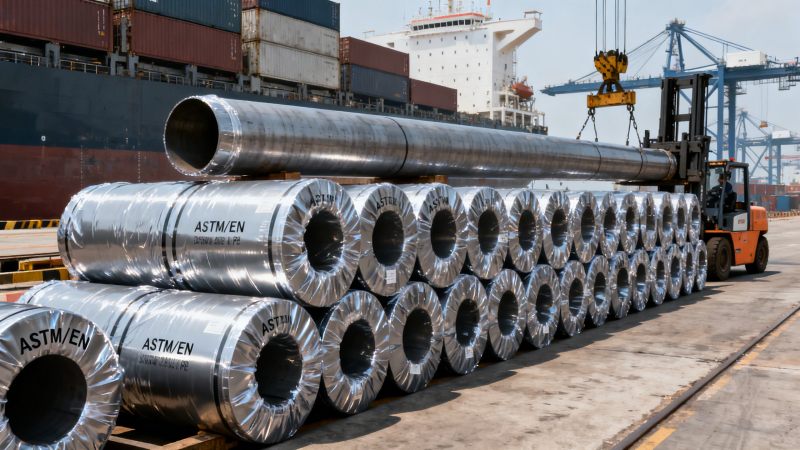
Why Partner With Hongteng Fengda for End-to-End Structural Steel Delivery in SEA
We don’t just ship steel—we engineer certainty. With ISO 9001-certified production, ASTM/EN/JIS-compliant testing labs, and a dedicated SEA logistics team fluent in English, Bahasa Indonesia, Thai, and Vietnamese, we eliminate friction across every link: from mill roll-out to final bolt tightening.
Whether you need 200 tons of EN10219 S355J2H steel tubes for a Singapore MRT extension, custom cold-formed purlins for a Malaysian EV battery plant, or Carbon Steel Plate for seismic bracing in Manila, our offering includes:
- Fixed 22–28-day delivery SLA with penalty-backed compensation
- Pre-shipment dimensional & coating verification reports (digital + hard copy)
- On-demand technical support from ASEAN-based application engineers
- Flexible Incoterms (FOB, CFR, DAP) with transparent cost breakdowns
Ready to align your next SEA structural steel order with predictable timelines, zero-specification drift, and full compliance traceability? Contact us today for a logistics-readiness assessment, sample validation, or customized delivery plan.
Please give us a message


Please enter what you want to find