Hot dip galvanized steel price is rising, but the real drivers often go beyond raw material costs. From zinc trends and energy expenses to supply chain pressure and demand from construction, these factors also influence related products such as galvanized steel sheet supplier quotes, pre-galvanized sheet, and galvanized pipe specifications. Understanding the market helps buyers, engineers, and project managers make smarter sourcing and budgeting decisions.
For procurement teams, technical evaluators, distributors, and project owners, price movement is not only a budgeting issue. It also affects specification choices, coating decisions, delivery schedules, and supplier strategy. In steel-intensive projects, a 5%–12% change in galvanized material pricing can materially alter the landed cost of structures, supports, brackets, fencing, cable management parts, and fabricated assemblies.
As a structural steel manufacturer and exporter from China, Hongteng Fengda works with global buyers who need stable production, reliable quality, and practical sourcing advice. When the hot dip galvanized steel price rises, the right response is rarely just waiting for the market to cool. The better approach is to understand the cost drivers, compare alternatives, and align product standards, lead times, and total project risk before placing orders.
Why Hot Dip Galvanized Steel Prices Move Up
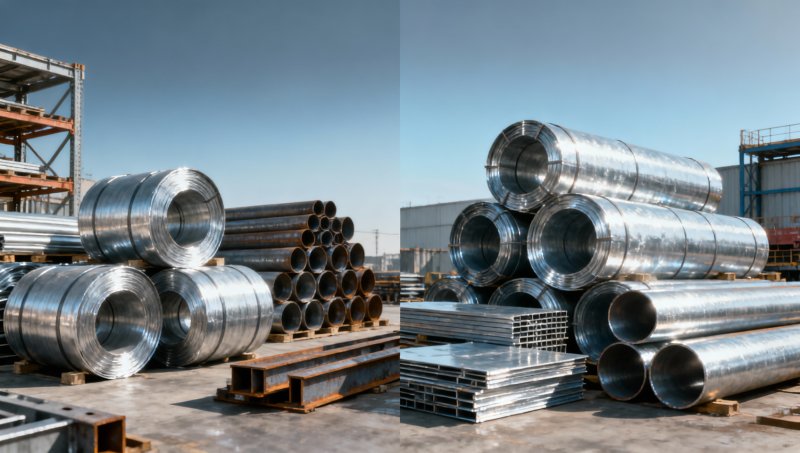
The most visible cost driver is zinc. Hot dip galvanizing depends on molten zinc coating, so when zinc prices rise by even a moderate range, the finished steel price usually follows. In practical sourcing, buyers often see pricing changes within 7–30 days because mills and processors adjust quotations based on zinc consumption, steel substrate cost, and inventory position.
Base steel cost is the second major factor. Carbon steel coil, strip, plate, or sections are the substrate for galvanized products. If hot rolled coil or structural steel feedstock increases by 3%–8%, the galvanizing line cannot fully absorb that pressure. This is especially true for angle steel, channel steel, steel beams, and cold formed sections used in infrastructure, industrial buildings, and manufacturing plants.
Energy is another important component. Hot dip galvanizing lines consume substantial energy for pickling, fluxing, drying, heating, and zinc bath temperature control. When electricity or natural gas costs rise, processing cost per ton increases. In some regions, this effect may add a meaningful amount to coating cost, especially for thicker sections that require longer handling cycles.
Supply chain conditions also matter. Ocean freight, inland trucking, container availability, and port congestion can all raise the delivered cost. During tight shipping periods, lead times can extend from the usual 2–4 weeks to 5–8 weeks for export orders, pushing buyers to accept higher quotes in exchange for delivery certainty.
Four cost layers buyers should track
- Raw material layer: zinc, hot rolled coil, billet, strip, or section steel.
- Processing layer: galvanizing, surface preparation, inspection, rework, and packaging.
- Logistics layer: domestic transport, export packing, sea freight, and destination delivery.
- Risk layer: currency swings, short validity quotations, and urgent replenishment orders.
The table below shows how these factors typically influence export quotations for galvanized steel products and structural steel components.
The key lesson is that rising hot dip galvanized steel price is usually a combined effect, not a single-market event. Buyers who only watch zinc may miss the bigger issue: the final quote is shaped by steel base price, coating specification, processing complexity, and shipping timing.
How Market Demand Changes Galvanized Steel Pricing
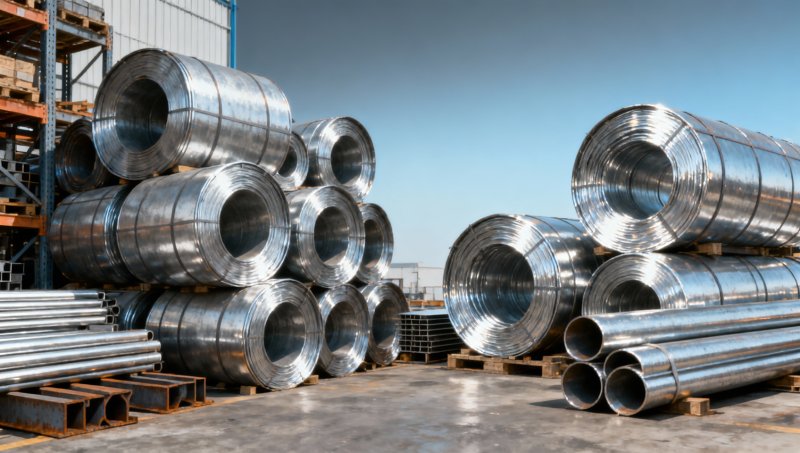
Demand from construction, utilities, warehousing, solar mounting, transport infrastructure, and manufacturing can quickly tighten galvanized steel availability. When multiple sectors purchase at the same time, mills and galvanizing plants prioritize capacity allocation. This often raises prices for standard items and extends lead times for customized structural steel components.
Seasonality also plays a role. In many markets, project execution accelerates in spring and early autumn, while budget release cycles trigger concentrated purchasing in the second and fourth quarters. A buyer who places orders during these peaks may face a 10–20 day longer lead time than during calmer months. For urgent projects, this can be more expensive than the price increase itself.
Different products react differently. Galvanized sheet and pre-galvanized sheet usually reflect fast-moving coil market conditions. Galvanized pipes depend on tube substrate and processing lines. Hot dip galvanized structural parts depend more heavily on fabrication complexity, zinc bath scheduling, and batch size. That is why two galvanized products can move in different directions within the same month.
From a project management perspective, demand pressure creates hidden costs: expedited freight, split shipments, alternative supplier qualification, and on-site delay exposure. Financial approvers and decision-makers should therefore evaluate not just unit price per ton, but total delivered value across the full project timeline.
Demand-sensitive product categories
Fast-cycle products
These include galvanized steel sheet, light gauge profiles, and common pipe sizes. Prices can shift within 1–2 weeks if coil prices rise or inventory tightens. Distributors often monitor these categories closely because turnover is fast and restocking pressure is immediate.
Project-based products
These include beams, channels, angles, fabricated brackets, and OEM structural components. Price changes may be less frequent, but project-specific cost swings can be larger due to fabrication, coating thickness, inspection, and packing requirements.
The comparison below helps buyers understand how demand intensity influences sourcing strategy.
For global sourcing, dependable production capacity is often as important as price. A supplier with stable manufacturing and export coordination can help reduce the risk of last-minute substitution, shipment fragmentation, and uncontrolled cost escalation.
What Buyers Should Review Beyond the Quoted Price
A lower quotation does not always mean lower procurement cost. Technical teams and purchasing managers should first verify coating method, coating mass, steel grade, dimensional tolerance, and applicable standard. For export-oriented structural steel, common reference systems include ASTM, EN, JIS, and GB. Mismatch in standard interpretation can create expensive inspection disputes after production is finished.
Coating thickness matters because it directly affects corrosion performance and zinc consumption. In corrosive outdoor environments, a heavier coating may increase unit price at the start, but it can reduce maintenance frequency over a service period of 5–15 years depending on exposure conditions, atmosphere, and installation design. Finance teams should evaluate life-cycle value, not only invoice price.
Packaging and shipment form are also practical cost variables. Loose bundles, export seaworthy packing, coil packaging, and wire bobbin packaging all affect handling efficiency, transport damage risk, and warehouse operations. A product that appears cheaper ex-works may become more expensive after repacking, breakage claims, or poor unloading performance.
This is also where related products deserve attention. For example, buyers comparing fencing, mesh, binding, or light industrial applications may consider Mild Steel Wire Rod as a cost-effective option where specification fit is appropriate. Available in Q195 and Q235 low carbon steel, with wire diameter from 0.25 mm to 5.0 mm, zinc coating thickness of 8–25 g/m2, and tensile strength of 350–550 Mpa, it supports uses such as construction, wire mesh, packaging, handicrafts, barrier isolation, and daily industrial fabrication.
A practical 5-point review checklist
- Confirm substrate grade and standard equivalence before approving samples or production.
- Verify coating range, test method, and acceptance criteria in writing.
- Check dimensional range, such as 0.25–5.0 mm for wire-based products or section tolerances for structural items.
- Define packaging type, coil weight, bundle marking, and container loading method.
- Align delivery plan with project schedule, including inspection time and export document lead time.
The following table shows why “cheapest quote” and “lowest total cost” are often not the same decision.
For users evaluating bright, smooth, low-cost galvanized wire materials, the same product family can also support fences, filter baskets, tie ropes, wire ropes, hangers, and barbed wire. The important point is to align tensile performance, coating level, and packaging form with the intended use instead of buying only on spot price.
How to Control Risk When Prices Are Rising
The first step is better forecast timing. If your project consumes galvanized sections, pipe, sheet, or wire-based components over a 2–6 month period, do not wait until fabrication is ready to start supplier discussions. Early technical alignment allows buyers to secure production windows, compare coating alternatives, and reduce exposure to rapid market changes.
The second step is specification discipline. Many projects lose money because the inquiry is incomplete. Missing details such as steel grade, section size, zinc requirement, bundle weight, or drawing revision can force suppliers to add risk buffers into the quote. A clean RFQ package often leads to faster response within 24–72 hours and fewer commercial revisions.
The third step is supplier capability review. For structural steel export projects, stable production capacity, quality control, and dependable lead times are essential. A manufacturer that can process standard specifications and OEM solutions under ASTM, EN, JIS, and GB frameworks is usually better positioned to support international buyers across North America, Europe, the Middle East, and Southeast Asia.
The fourth step is to compare landed cost, not just factory price. Include inspection, packing, inland trucking, freight, import charges, and schedule risk. In some cases, a quote that is 2% higher ex-works may still be the better commercial option if it cuts delivery risk and reduces project interruption costs.
Risk control actions for different buyer roles
- Procurement teams should lock quotation validity, MOQ, and shipment window in writing.
- Engineers should confirm standards, tolerances, and corrosion performance requirements before approval.
- Project managers should separate critical-path materials from non-critical replenishment items.
- Quality and safety personnel should define inspection points for coating, dimensions, and packaging integrity.
- Financial approvers should compare life-cycle value and delay cost against the unit rate difference.
Common sourcing mistakes
A common mistake is treating all galvanized products as interchangeable. Pre-galvanized sheet, hot dip galvanized sections, and galvanized pipe do not carry the same process route or corrosion profile. Another mistake is ordering without tolerance clarity. A third is ignoring packaging details, especially for export cargo that must survive long transit and multi-stage handling.
When markets are volatile, partnerships matter. Suppliers that focus on consistent quality, practical communication, and stable export execution can help buyers reduce sourcing risk and complete projects more efficiently, even when headline prices are moving upward.
FAQ: Questions Buyers Often Ask About Rising Galvanized Steel Prices
How often do galvanized steel quotes change?
In active markets, quotations may change every 7–15 days, and sometimes faster for coil-based products. Project-based fabricated items may hold longer if raw material is reserved, but buyers should still confirm validity before issuing a purchase order.
Is it better to delay purchasing when prices are rising?
Not always. If your material is on the project critical path, delay can create larger losses through schedule disruption, labor idle time, or emergency shipping. A better strategy is to review batch ordering, lock key specifications early, and compare multiple shipment plans rather than waiting for an uncertain price drop.
What technical details should be fixed before asking for a quote?
At minimum, define steel grade, dimensions, coating requirement, standard, quantity, packaging method, destination, and required delivery window. For custom structural steel, include drawings, tolerances, welding needs, and any inspection points. This can reduce quotation revision cycles from several rounds to one or two.
How can distributors and resellers protect margin?
They should monitor fast-moving SKUs, diversify supply sources carefully, and maintain a balanced mix of standard stock and project-specific materials. Margin protection also comes from accurate specification matching, because claims and returns can easily erase the benefit of buying at a slightly lower price.
Rising hot dip galvanized steel price is usually the result of multiple forces working together: zinc, steel substrate, energy, logistics, and demand from construction and industrial sectors. Buyers who evaluate only the headline number often miss the real commercial picture. The stronger approach is to connect technical specification, coating level, lead time, compliance, and delivered cost into one procurement decision.
Hongteng Fengda supports global buyers with structural steel products, customized solutions, stable production capacity, and dependable export service. If you are reviewing galvanized steel sourcing, comparing specifications, or planning a new project, contact us to get tailored advice, discuss product details, and explore a practical solution for your budget and delivery target.
Please give us a message


Please enter what you want to find