Understanding Galvanized Steel L Angle Lifespan
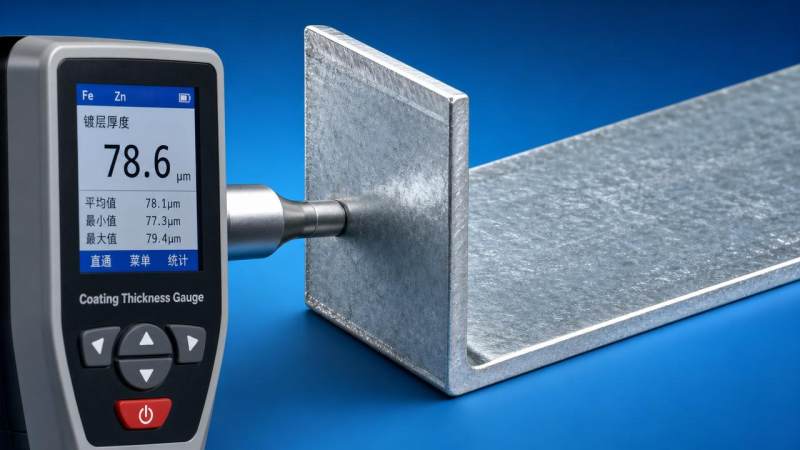
Galvanized steel L angles are essential structural components known for their corrosion resistance.
The longevity depends on zinc coating quality, environmental factors, and maintenance practices.
Key Factors Affecting Durability
- Zinc coating thickness (measured in g/m²)
- Atmospheric conditions (industrial, marine, rural)
- Mechanical stress and load-bearing requirements
- Chemical exposure and temperature fluctuations
Zinc Coating Standards and Performance
Hot-dip galvanizing typically provides 50-100 years of protection in moderate environments.
Coating thickness categories according to ISO 1461:
Environmental Impact on Corrosion Rates
Different environments affect galvanized steel differently:
- Rural areas: 1-2 µm zinc loss per year
- Urban/industrial: 2-5 µm annual loss
- Marine coastal: 5-10+ µm annual loss
Related Structural Steel Solutions
For projects requiring additional corrosion protection, consider 0.7mm 0.8mm 1.2mm 1.6mm 1.8mm 2mm diameter Galvanized Steel Wire Rope with variable zinc coating options.
These wire ropes offer tensile strength from 1470Mpa to 1960Mpa for demanding applications.
Maintenance Best Practices
Extend galvanized steel L angle lifespan with:
- Regular visual inspections for white rust
- Prompt repair of damaged coating areas
- Avoiding direct contact with dissimilar metals
- Proper storage to prevent moisture accumulation
Industry Standards and Compliance
Quality galvanized steel meets multiple international standards:
- ASTM A123 (hot-dip galvanizing specifications)
- ISO 1461 (coating thickness requirements)
- EN ISO 12944 (corrosion protection standards)
Comparative Material Analysis
Galvanized steel outperforms alternatives in cost/lifespan ratio:
Implementation Recommendations
Select appropriate zinc coating based on project requirements:
- Standard environments: Class A coating (85-140µm)
- Industrial areas: Class B coating (140-200µm)
- Marine applications: Class C coating (200-300+µm)
Proper installation prevents premature coating damage.
Cost-Benefit Considerations
Higher initial galvanizing costs offset long-term savings:
- Eliminates recurring painting expenses
- Reduces structural replacement frequency
- Minimizes project downtime for maintenance
Please give us a message


Please enter what you want to find