When evaluating structural steel components, the choice between galvanized steel angle and regular steel angle significantly impacts project durability and cost-efficiency. Galv steel angle offers superior corrosion resistance through its zinc coating, making it ideal for outdoor or high-moisture applications, while untreated steel angles may suit temporary indoor structures. As a professional structural steel manufacturer, Hongteng Fengda helps technical evaluators make informed decisions by comparing material properties, lifespan, and total cost of ownership for various construction scenarios.
Key Differences Between Galvanized and Regular Steel Angles
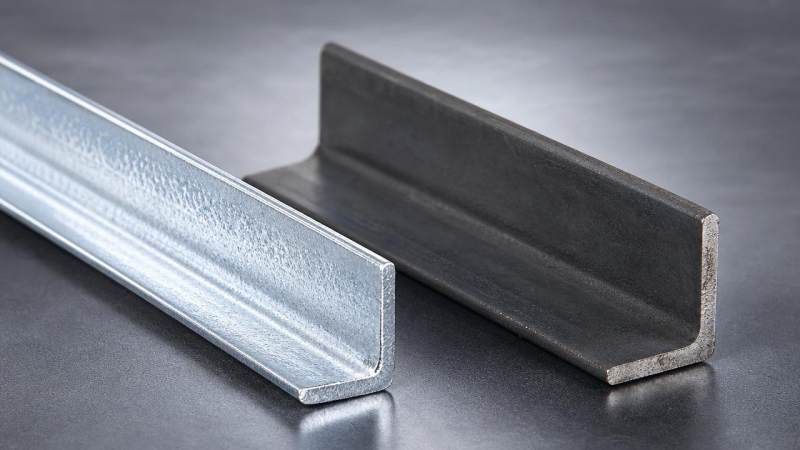
The fundamental distinction lies in the protective zinc coating applied to galvanized steel angles. This treatment creates multiple performance advantages that affect both short-term installation and long-term maintenance.
The table demonstrates why galv steel angle often proves more economical over time despite higher initial costs. The zinc coating provides sacrificial protection that prevents rust formation even when scratched.
When to Choose Galvanized Steel Angle
Technical evaluators should prioritize galvanized steel angles for these critical applications:
- Coastal construction projects with saltwater exposure
- Industrial facilities with chemical vapors or high humidity
- Agricultural buildings exposed to fertilizers and animal waste
- Infrastructure projects requiring minimal maintenance access
- Structures where painting maintenance would be cost-prohibitive
Cost-Benefit Analysis Over Project Lifecycle
While regular steel angles appear cheaper initially, their true cost becomes apparent when factoring in maintenance and replacement expenses. Consider this 20-year cost comparison for a mid-sized construction project:
This analysis shows galv steel angle delivering 23% lower total cost despite higher initial investment. The savings increase dramatically for projects in corrosive environments.
Complementary Structural Steel Solutions
For projects requiring additional structural support, our Z-beam products provide excellent load-bearing capacity. These Z-shaped steel profiles are ideal for:
- Large-scale steel structure workshops
- Roof and wall beam applications
- Lightweight manufacturing structures
Available in various materials including Q235B, Q345B, and international equivalents, these components combine strength with corrosion resistance when galvanized.
Technical Specifications Comparison
Beyond corrosion protection, galvanized steel angles maintain all the structural benefits of standard angles while adding these technical advantages:
- Zinc coating thickness: 45-85 microns (standard hot-dip galvanizing)
- Maintains ASTM A36/A572 mechanical properties
- Compatible with welding (requires special techniques)
- Temperature resistance up to 392°F (200°C) without coating damage
Frequently Asked Questions
Can galvanized steel angles be painted?
Yes, but proper surface preparation is critical. The zinc coating must be treated with a special primer before applying paint. This is typically only necessary for aesthetic purposes or extreme environments.
How does galvanizing affect welding?
Welding galvanized steel requires ventilation and proper technique due to zinc fumes. The heat-affected zone loses corrosion protection, which should be addressed with zinc-rich paint or thermal spray after welding.
What thickness is best for outdoor structures?
For most outdoor applications, we recommend minimum 3mm thickness with hot-dip galvanizing. Thicker coatings (80+ microns) are advised for coastal or industrial environments.
Why Choose Hongteng Fengda for Your Steel Angle Needs
As an experienced structural steel manufacturer, we provide:
- Dual certification to ASTM, EN, JIS, and GB standards
- Custom galvanizing thickness options for specific environments
- Precision cutting and drilling services for ready-to-install components
- Strict quality control with SGS/BV third-party inspection available
- Reliable global logistics with 25-day average lead time to major ports
Contact our engineering team for project-specific recommendations on galv steel angle specifications, or to discuss custom solutions for your structural requirements.
Please give us a message


Please enter what you want to find