Understanding galvanized metal pipe pricing in 2026 requires more than checking market quotes.
Cost evaluation depends on steel input prices, zinc usage, dimensions, compliance, order scale, and freight conditions.
For steel sourcing decisions, the real focus is total delivered value, not only the listed galvanized metal pipe unit price.
This article explains the main galvanized metal pipe cost factors in 2026 and shows how to compare offers with better accuracy.
Market Definition and Core Cost Structure
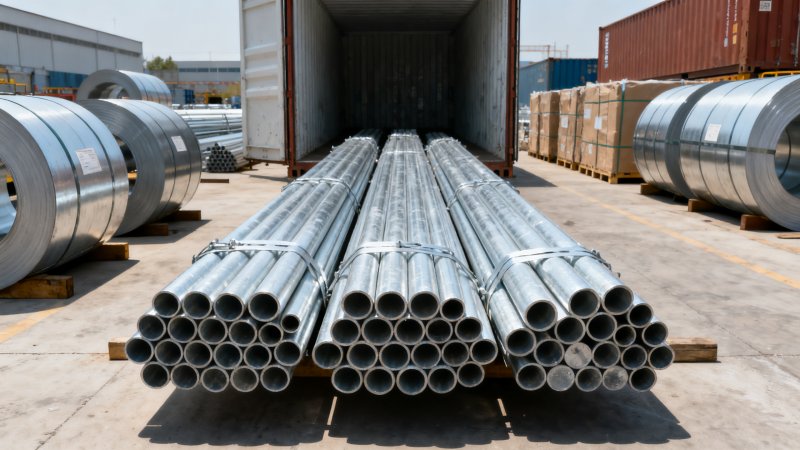
Galvanized metal pipe usually refers to steel pipe protected by a zinc coating for corrosion resistance.
The coating may be produced through hot-dip galvanizing or other zinc-based finishing processes.
In 2026, galvanized metal pipe cost is shaped by six primary components.
- Base steel price
- Zinc consumption and coating thickness
- Pipe diameter, wall thickness, and length
- Testing, standards, and documentation
- Production efficiency and order volume
- Packaging, inland transport, and ocean freight
When comparing suppliers, each of these items should be reviewed separately.
A low quote can become expensive if zinc coating, tolerance, or logistics assumptions are weak.
Steel and Zinc Trends Affecting 2026 Pricing
The biggest driver of galvanized metal pipe pricing remains carbon steel coil or billet cost.
Iron ore, coking coal, energy, and mill operating rates continue influencing upstream steel prices.
Zinc is the second major variable.
If zinc prices rise, the cost difference becomes more visible on heavy coating specifications.
Environmental rules also matter.
Stricter emissions control can increase processing cost at galvanizing lines and reduce short-term supply flexibility.
Because these factors move together, galvanized metal pipe budgets should include a pricing validity period.
Specification Variables That Change the Final Quote
Not all galvanized metal pipe products consume material at the same rate.
Outer diameter, wall thickness, and required length directly affect theoretical weight.
Heavier pipes require more steel and often more zinc.
Special end treatment also changes processing cost.
- Plain end is usually more economical
- Beveled ends add processing time
- Threading and coupling increase labor and accessory cost
- Grooved ends may require added machining control
Tolerance expectations are another hidden factor.
Tighter dimensional control can reduce production efficiency and increase rejection risk.
For some projects, alternative pipe solutions may also influence comparison logic.
For example, Carbon Seamless Pipe is often reviewed for petroleum, chemical, mechanical, and construction systems.
Common standards include API A106 GR.B, ASTM A106 Gr.B, ASTM A53 Gr.B, DIN2448, and JISG3452-54.
Its size range can cover outer diameters from 17mm to 914mm and multiple wall thickness schedules.
Where galvanized surface protection is not the main requirement, such alternatives may reshape total system cost.
Compliance, Quality Control, and Documentation Costs
Standards compliance has become a stronger pricing factor in 2026.
The same galvanized metal pipe may carry different costs under ASTM, EN, JIS, or GB requirements.
Testing scope can include chemical analysis, mechanical testing, coating thickness checks, and dimensional inspection.
Third-party inspection adds another cost layer, yet it may reduce commercial risk.
Documentation should also be evaluated carefully.
- Mill test certificates
- Coating inspection records
- Origin documents
- Packing lists and traceability labels
- Special export certifications when required
Incomplete paperwork can create customs delays, reinspection fees, or acceptance issues after arrival.
That is why a cheaper galvanized metal pipe quote may not be the lower-risk option.
Order Volume, Manufacturing Efficiency, and Export Logistics
Order quantity has a direct effect on galvanized metal pipe unit cost.
Larger volumes improve raw material planning, production scheduling, and packaging efficiency.
Mixed sizes in small lots often increase setup losses and warehouse handling expense.
Lead time also affects pricing.
Urgent production may require overtime, fast zinc allocation, or premium freight arrangements.
Export logistics can change the delivered cost significantly, especially for long steel products.
For international projects, comparing FOB, CFR, and CIF terms is essential.
A valid galvanized metal pipe cost review should always include the selected trade term.
Application Value and Typical Buying Scenarios
Galvanized metal pipe remains widely used because it balances structural strength, corrosion resistance, and familiar standards.
Its commercial value depends on service environment and expected life cycle.
- Construction frameworks and support systems
- Outdoor utility lines and fencing structures
- Industrial piping with moderate corrosion exposure
- Mechanical fabrication and general infrastructure works
In dry indoor applications, lighter coating may be enough.
In coastal or humid areas, coating durability becomes more important than initial price.
That is why galvanized metal pipe should be assessed on service cost over time, not only purchase cost today.
Practical Evaluation Points for Lower-Risk Sourcing
A structured review method helps control galvanized metal pipe cost without weakening project reliability.
- Confirm exact standard, grade, and coating requirement before requesting quotes.
- Check whether weight basis is theoretical or actual.
- Compare zinc coating level, not only total ton price.
- Review pipe dimensions, end finish, and length tolerance line by line.
- Include testing, documents, packing, and freight in the same comparison sheet.
- Ask for quote validity because steel and zinc markets can move quickly.
- Assess production stability and delivery consistency, not price alone.
For global steel supply, reliable production control matters as much as a competitive offer.
Hongteng Fengda, a structural steel manufacturer and exporter from China, supplies standard and customized steel solutions for international projects.
Its product scope covers angle steel, channel steel, steel beams, cold formed profiles, and customized structural steel components.
With modern production and quality control aligned to ASTM, EN, JIS, and GB, stable sourcing becomes easier to evaluate.
Next-Step Cost Planning for 2026
The 2026 galvanized metal pipe market rewards detailed preparation.
Clear specifications, realistic logistics planning, and full compliance review can prevent hidden cost escalation.
When evaluating galvanized metal pipe offers, build a comparison sheet that includes steel base price, zinc level, processing, inspection, and delivered terms.
This approach improves cost visibility and supports more dependable sourcing outcomes in a changing global steel market.
If project planning is underway, the practical next step is to prepare a specification list and request a fully itemized quotation.
Please give us a message


Please enter what you want to find