On May 27, 2026, industry analysis highlighted that the EU's Carbon Border Adjustment Mechanism (CBAM) has expanded its coverage and imposed stricter calculation methods for the steel sector, revealing apparent discriminatory effects. This development is expected to significantly raise hidden costs and compliance complexities for Chinese steel exports to the EU, prompting overseas buyers to scrutinize suppliers' carbon data management, third-party verification credentials, and green certification progress.
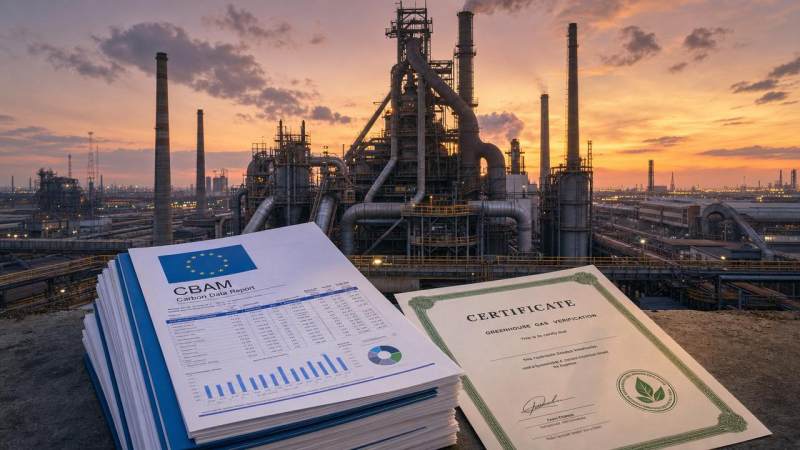
CBAM's Expanded Scope and Stricter Requirements
The EU's CBAM has tightened regulations specifically targeting the steel industry, with expanded product coverage and more rigorous carbon emission calculation methodologies. Industry experts note that these changes exhibit a clear discriminatory bias, disproportionately affecting Chinese steel manufacturers. The mechanism will introduce additional compliance burdens, including detailed carbon footprint reporting and verification processes.
Impact on Supply Chains and Trade Dynamics
The stricter CBAM rules will reshape trade flows and supplier relationships between China and the EU. Three key areas warrant attention:
Increased Costs for Exporters
Chinese steel producers face rising operational costs due to mandatory carbon accounting and verification requirements. These expenses will likely be passed along the supply chain, affecting price competitiveness in European markets.
Procurement Strategy Shifts
European buyers must reassess their sourcing strategies, prioritizing suppliers with robust carbon management systems. Long-term contracts may require renegotiation to account for CBAM-related cost fluctuations.
Compliance Infrastructure Demands
The new rules create urgent needs for verification services and green certification providers. Third-party auditors with EU-recognized credentials will see increased demand from Asian manufacturers.
Critical Action Points for Industry Players
Businesses across the supply chain should focus on these priority areas:
Carbon Data Transparency
Exporters must establish verifiable emission tracking systems meeting EU standards, while importers should audit suppliers' data collection capabilities.
Certification Timelines
Green product certifications now directly impact market access - companies should align their certification roadmaps with CBAM implementation phases.
Supply Chain Resilience Planning
Both buyers and sellers need contingency plans addressing potential shipment delays from enhanced customs scrutiny of carbon documentation.
Analysis: A Structural Shift, Not Temporary Adjustment
This CBAM update represents more than a regulatory tweak - it signals the EU's hardening stance on carbon-intensive imports. The steel industry should view this as part of a broader decarbonization push that will continue evolving. While current measures focus on reporting, future iterations may incorporate steeper carbon price differentials.
Navigating the New Carbon-Conscious Trade Era
The CBAM changes underscore the growing convergence of environmental policy and trade competitiveness. For Chinese steelmakers, adapting to these rules isn't merely about compliance - it's about maintaining relevance in a market increasingly prioritizing low-carbon production. The industry's response in the coming months will test its capacity for rapid operational transformation.
Source Information
This analysis is based on industry reports from May 27, 2026, examining the EU CBAM's impact on steel trade. While specific policy documents weren't provided in source materials, the assessment reflects consensus among trade analysts monitoring CBAM implementation. Continued monitoring of official EU publications and verification of final rule language remains essential.
Please give us a message


Please enter what you want to find