EU Tariff Hike on Steel Imports Sparks Industry Reevaluation
On June 1, 2026, China's Ministry of Commerce confirmed ongoing negotiations with the EU regarding proposed doubled tariffs on steel imports. This development, linked to the extension of the Carbon Border Adjustment Mechanism (CBAM), may significantly alter compliance requirements and cost structures for Chinese steel exporters targeting the European market. Industry stakeholders are advised to monitor negotiation outcomes and assess supply chain adaptations.
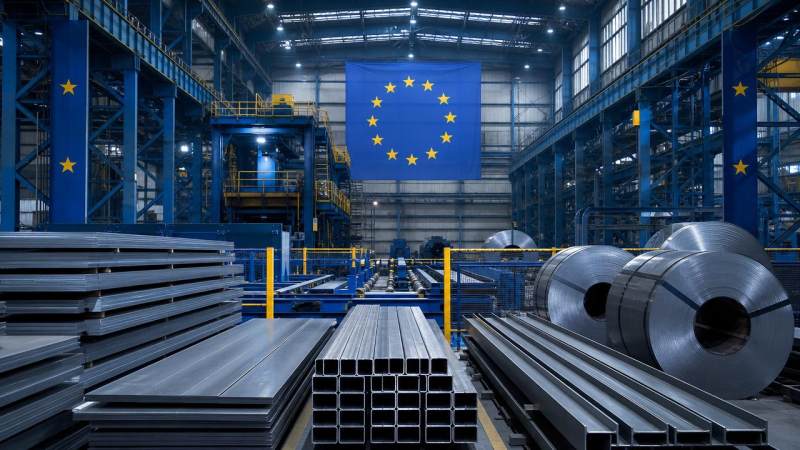
Key Policy Developments
The EU's tariff proposal represents an expansion of CBAM's application scope, potentially imposing new carbon compliance standards on imported steel products. Chinese authorities emphasize seeking mutually beneficial solutions through current negotiations, though specific tariff rates and implementation timelines remain undisclosed.
Supply Chain Implications
Export-Compliance Challenges
Manufacturers relying on EU exports face immediate certification hurdles. The doubled tariff structure would require recalculating landed costs, with CBAM-related documentation adding administrative layers to customs clearance processes.
Distribution Network Adjustments
European steel distributors handling Chinese-origin materials must evaluate inventory strategies. Alternative sourcing options and carbon tracking systems may become necessary to maintain supply continuity under the new regime.
Strategic Considerations for Businesses
Regulatory Monitoring Priorities
Companies should track:
- Final CBAM implementation rules for steel products
- Phase-in periods for new tariff structures
- Recognized carbon accounting methodologies
Operational Preparedness
Immediate actions include:
- Auditing supply chains for carbon-intensive processes
- Preparing CBAM documentation templates
- Engaging logistics partners on new clearance requirements
Market Transition Signals
Analysis shows this proposal extends beyond temporary trade measures, reflecting the EU's structural shift toward carbon-intensive import controls. While negotiations may moderate immediate impacts, the direction toward stricter environmental compliance appears established.
Industry Crossroads
This development underscores the growing intersection of trade policy and environmental regulation in global steel markets. Businesses should approach the situation as both a compliance challenge and opportunity to align with evolving sustainability standards.
Information Context
This analysis derives from the official June 1, 2026 statement by China's Ministry of Commerce regarding EU steel tariff negotiations. Ongoing monitoring of EU official publications and trade association updates is recommended for verification of final policy terms.
Please give us a message


Please enter what you want to find