When evaluating the overall financial viability of industrial warehouse construction projects, the strategic choice of structural materials significantly impacts long-term profitability.
This comprehensive cost-benefit analysis explores how utilizing high-quality H-beam steel optimizes initial capital expenditure while delivering superior structural integrity for facilities.
By minimizing ongoing maintenance costs and accelerating project timelines, H-beam solutions offer financial decision-makers a compelling return on investment for large-scale projects.
Understanding the Initial Capital Expenditure (CAPEX)
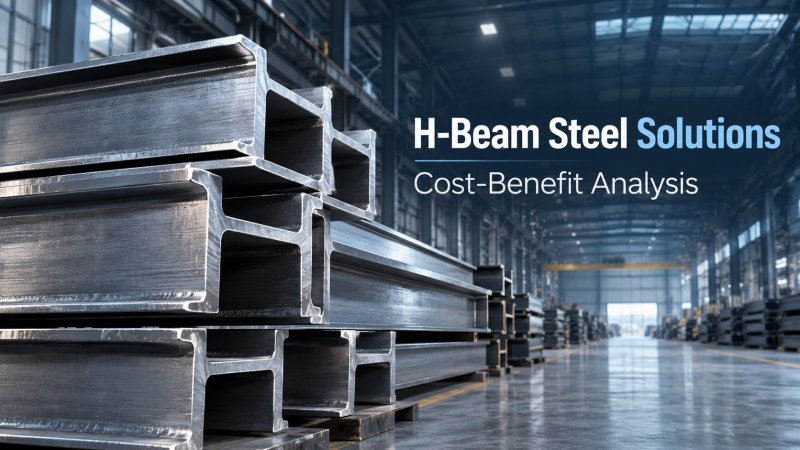
Financial approvers often focus heavily on the upfront costs associated with structural materials. Comparing H-beam steel to traditional concrete reveals significant advantages for modern warehouses.
The manufacturing process for H-beam is highly standardized, which drastically reduces material waste during the fabrication phase. This efficiency directly translates to lower procurement costs.
Furthermore, the lightweight nature of steel structures reduces the required foundation size. This means less concrete and fewer excavation hours, lowering the overall site preparation budget.
While raw steel prices fluctuate, the predictable pricing models offered by established manufacturers help finance teams forecast budgets accurately. This predictability is crucial for capital planning.
When comparing the total initial investment, H-beam structures frequently match or beat concrete alternatives. The savings in foundation work and labor easily offset the material premium.
Steel components are prefabricated with extreme precision. This precision eliminates the hidden costs associated with material adjustments and on-site corrections that plague traditional construction methods.
The reduced weight of the steel framework also lowers transportation costs. Logistics expenses are a major part of CAPEX, and H-beam offers distinct advantages here.
Additionally, the speed of material delivery prevents costly project delays. Having the right materials on site exactly when needed keeps the financial schedule strictly on track.
Financing institutions also prefer steel construction due to its lower risk profile. This preference can sometimes result in more favorable loan terms and lower interest rates.
Therefore, the initial capital expenditure for an H-beam warehouse is highly competitive. Finance teams can approve these budgets with confidence, knowing the upfront costs are tightly controlled.
Accelerated Construction Timelines and Financial Impact
Time is money in commercial real estate. The speed of erecting an H-beam steel warehouse directly impacts the project's internal rate of return and cash flow.
Pre-engineered steel components are fabricated off-site and simply assembled on-site. This concurrent engineering approach eliminates the curing time required for traditional concrete structures.
Faster construction means the facility can begin generating rental income or operational savings months earlier. This accelerated revenue recognition is a massive benefit for financial stakeholders.
Additionally, shorter construction durations reduce financing costs. Interest payments on construction loans are minimized when the project reaches completion ahead of the original schedule.
Weather delays also have a minimal impact on steel erection compared to concrete pouring. This reliability ensures that the project stays on track and within budget.
The modular nature of H-beam construction allows multiple teams to work simultaneously. This parallel workflow drastically compresses the overall project timeline without compromising quality standards.
Reduced on-site labor hours directly translate to lower payroll expenses. Since the components are pre-cut and pre-drilled, the need for highly skilled, expensive labor is minimized.
Early completion also reduces the costs associated with site security and temporary facilities. The shorter the construction phase, the lower these ongoing administrative expenses become.
Furthermore, faster project delivery allows businesses to capitalize on favorable market conditions. Getting the warehouse operational quickly ensures the company can meet sudden spikes in demand.
Ultimately, the time saved through H-beam construction translates directly into financial gains. Approving steel structures is essentially approving a faster path to project profitability.
Long-Term Operational Expenditure (OPEX) and Maintenance
Beyond the initial build, operational expenditure dictates the long-term financial health of a warehouse. H-beam steel requires significantly less maintenance than traditional building materials over time.
Modern steel treatments provide excellent resistance to corrosion and fire. This durability ensures that the structural framework remains intact without frequent, costly repairs or replacements.
For internal facility management, incorporating durable elements like Stainless Steel Welded Mesh for ventilation or safety partitions further reduces ongoing replacement costs significantly over time.
Steel frames also allow for easy modifications. If a business needs to expand or reconfigure the warehouse layout, steel can be adapted quickly and cost-effectively.
Concrete structures, conversely, are rigid and expensive to alter. The flexibility of H-beam steel prevents the need for costly demolitions when operational requirements change.
Insurance premiums for steel warehouses are often lower due to the material's non-combustible nature and structural resilience. This provides continuous annual savings for the operator.
The open web design of certain steel beams also facilitates easier routing of utilities. This simplifies the installation of electrical and plumbing systems, reducing labor costs.
Cleaning and maintaining a steel interior is generally less expensive than maintaining concrete or masonry. The smooth surfaces do not trap dust or require frequent repainting.
Pest control is another area where steel outperforms traditional materials. Steel does not provide harborage for termites or rodents, eliminating the need for chemical treatments.
By minimizing these ongoing operational expenses, H-beam warehouses protect the bottom line. Financial approvers should view the low maintenance profile as a critical long-term advantage.
Lifecycle Cost Analysis and Asset Residual Value
A comprehensive lifecycle cost analysis reveals the true financial picture of warehouse construction. H-beam steel excels in this metric by offering high residual value at the end.
Unlike concrete, which becomes expensive demolition waste, steel structures can be dismantled and recycled. The scrap value of steel provides a substantial financial return upon decommissioning.
Furthermore, entire steel buildings can be relocated. If the business moves, the warehouse can be disassembled and rebuilt at a new site, preserving the initial investment.
This adaptability significantly extends the useful life of the asset. From an accounting perspective, this maximizes depreciation benefits and improves the overall return on assets.
Investors and lenders also view steel assets favorably. The predictable lifecycle and high residual value make H-beam warehouses highly attractive collateral for future financing needs.
The global demand for recycled steel ensures a stable market for end-of-life materials. This guarantees that the residual value remains strong regardless of local economic conditions.
Steel components can also be repurposed for other projects. Beams and columns can be cut and reused in smaller structures, further maximizing the initial capital outlay.
This circular economy approach aligns with modern environmental, social, and governance goals. Companies can leverage this sustainability aspect to attract green financing and improve brand reputation.
Regular inspections of steel structures are straightforward and inexpensive. This ease of maintenance ensures that any potential issues are caught early, preventing major financial losses.
The structural integrity of H-beam steel does not degrade significantly over time. Unlike wood, which can rot, or concrete, which can spall, steel maintains its strength.
This consistent performance over decades provides peace of mind for financial stakeholders. They can rely on the asset to perform as expected without unexpected capital injections.
Therefore, the lifecycle cost of an H-beam warehouse is remarkably low. The combination of durability, adaptability, and high scrap value ensures maximum financial recovery over time.
Strategic Sourcing and Risk Mitigation
Procuring structural steel from reliable manufacturers mitigates significant project risks. Partnering with established exporters ensures consistent quality, adherence to international standards, and predictable delivery schedules.
Manufacturers offering customized solutions allow finance teams to optimize material usage. By tailoring the H-beam specifications exactly to the structural load requirements, unnecessary costs are eliminated.
Strict quality control processes prevent costly on-site rework. When components arrive precisely fabricated and ready for assembly, the risk of budget overruns due to errors is minimized.
Global suppliers with stable production capacity protect projects from market shortages. This supply chain reliability is crucial for maintaining the project schedule and avoiding inflationary price spikes.
Transparent pricing structures from professional suppliers prevent hidden costs. Finance teams can accurately model the total cost of ownership without worrying about unexpected material surcharges.
Compliance with international standards like ASTM and EN ensures global acceptability. This is particularly important for multinational companies that require standardized assets across different regions.
Reliable suppliers also provide comprehensive documentation and certifications. This paperwork is essential for securing building permits and passing regulatory inspections without costly delays.
Long-term partnerships with steel exporters often yield volume discounts. These economies of scale can significantly reduce the per-unit cost of materials for large warehouse projects.
Effective communication with the manufacturer ensures that design changes are implemented smoothly. This agility prevents costly delays and keeps the financial trajectory of the project stable.
Ultimately, strategic sourcing transforms steel procurement from a risk into a controlled variable. Financial approvers can rely on professional partnerships to deliver projects on budget.
Conclusion: Securing Financial Viability with H-Beam Steel
The decision to use H-beam steel in industrial warehouses is fundamentally a sound financial strategy. It optimizes initial capital expenditure while drastically reducing long-term operational costs.
The accelerated construction timelines provide earlier revenue generation, improving the project's internal rate of return. This speed to market is a critical advantage in competitive sectors.
Moreover, the low maintenance requirements and high residual value protect the asset's long-term profitability. The flexibility to modify or relocate the structure further safeguards the investment.
By partnering with reliable structural steel manufacturers, financial decision-makers can mitigate procurement risks. This ensures that the project is delivered efficiently, meeting both budget and timeline constraints.
The integration of high-quality materials extends the operational lifespan of the facility. This longevity ensures that the initial capital outlay is amortized over a much longer period.
Financial approvers must look beyond the immediate costs and consider the total value proposition. H-beam steel delivers exceptional value across every phase of the building lifecycle.
In summary, H-beam steel offers an unmatched cost-benefit ratio for industrial warehouses. Approving this material choice guarantees structural resilience, operational efficiency, and superior long-term financial performance.
Choosing the right structural material is a strategic financial decision. H-beam steel proves to be the most prudent choice for maximizing value and minimizing risk.
Please give us a message


Please enter what you want to find