Introduction
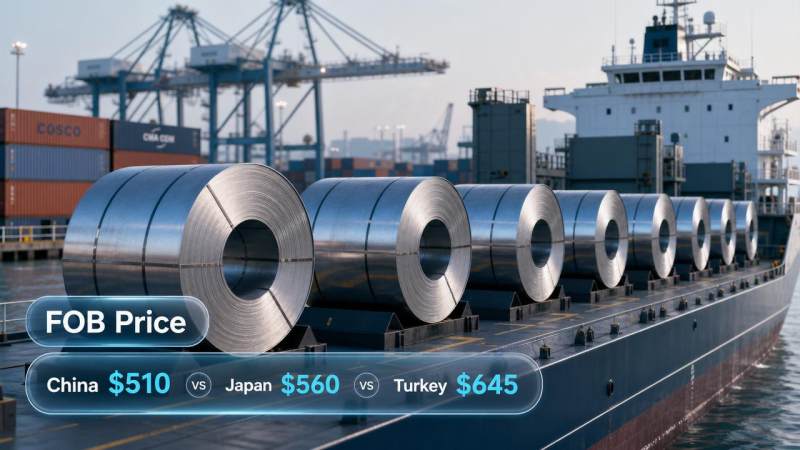
According to customs data, China's steel exports in April 2026 fell by 9.2% year-on-year to 9.498 million tons. However, Lange Steel data shows that China's hot-rolled coil FOB prices remain competitive at $510 per ton, significantly lower than Japan ($560) and Turkey ($645). This presents a strategic window for international buyers to optimize bulk purchases and long-term contracts. Key industries affected include steel traders, manufacturers, and procurement agencies.
Event Overview
On April 30, 2026, China's General Administration of Customs reported a 9.2% decline in steel exports compared to the same period last year. Despite this, China's price advantage persists, with FOB prices for hot-rolled coils $50–135 lower than competitors. This dynamic highlights shifting global trade patterns in the steel sector.
Impact on Key Industries
Steel Traders and Exporters
The drop in export volume may pressure margins, but the sustained price advantage offers leverage in negotiations. Traders should focus on high-demand markets where China's pricing remains unbeatable.
Manufacturing and Procurement
Manufacturers reliant on steel imports can capitalize on China's lower prices. Analysis suggests this is an opportune time to secure long-term contracts before potential market adjustments.
Supply Chain Services
Logistics and shipping providers may see shifts in trade routes as buyers recalibrate sourcing strategies. Observably, Southeast Asian and Middle Eastern markets could see increased activity.
Key Considerations for Businesses
Monitor Policy Signals
Watch for potential export policy adjustments from Chinese authorities that could affect pricing stability.
Strategic Purchasing Windows
The current price gap suggests a limited-time advantage. Procurement teams should evaluate optimal order timing.
Diversify Supply Chains
While China's prices are attractive, smart buyers should maintain alternative sourcing options as global trade dynamics evolve.
Industry Perspective
From an industry standpoint, this development appears more indicative of China's strategic pricing than a fundamental demand shift. The sustained price advantage suggests deliberate positioning in global markets rather than temporary oversupply. Market participants should view this as both an opportunity and a signal to reassess long-term sourcing strategies.
Conclusion
China's steel export dynamics in April 2026 present a complex picture of declining volumes but enduring price competitiveness. For global buyers, this creates a calculated procurement opportunity while underscoring the need for supply chain flexibility in an evolving market.
Source Information
Data sourced from China's General Administration of Customs and Lange Steel market monitoring. Note: Price comparisons reflect April 2026 FOB benchmarks and may fluctuate with market conditions.
Please give us a message


Please enter what you want to find