Trade Talks Initiated as EU Considers Higher Import Duties on Chinese Steel
On June 1, 2026, China's Ministry of Commerce officially responded to the European Union's proposed increase in import tariffs on Chinese steel products, confirming that technical negotiations are currently underway. The discussions aim to establish a solution that balances trade fairness with industrial sustainability. This development directly impacts overseas importers' cost structures for the next 3-6 months, requiring adjustments to procurement contracts and inventory strategies, particularly for European construction and machinery manufacturing sectors that rely heavily on Chinese steel imports.
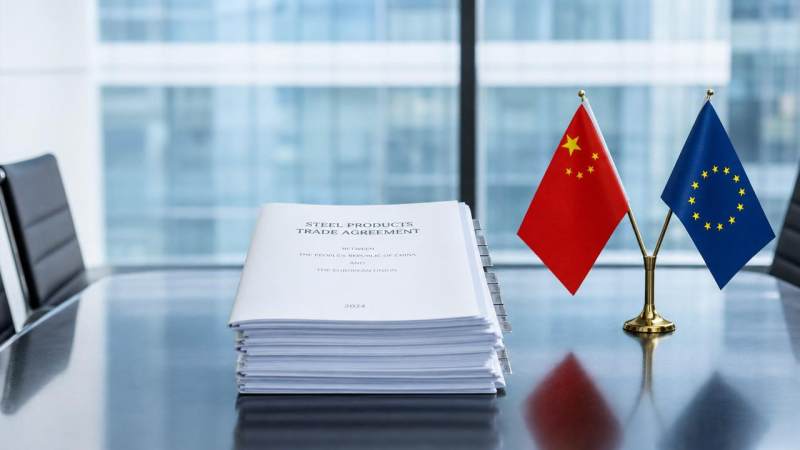
Key Facts About the Ongoing Negotiations
The Ministry of Commerce's statement clarifies that both parties are engaged in technical-level discussions regarding the proposed tariff adjustments. The primary negotiation objective is to find a mutually acceptable solution that addresses concerns about trade equity while maintaining sustainable industrial development. This follows the EU's preliminary announcement about potential tariff increases on specific categories of Chinese steel products.
Implications Across the Supply Chain
Procurement Departments Face Immediate Adjustments
European importers must now evaluate how potential tariff changes might affect their locked-in purchase costs for Q3-Q4 2026 contracts. Many are reviewing force majeure clauses and price adjustment mechanisms in existing agreements with Chinese suppliers.
Downstream Industries Reassess Annual Budgets
The construction and heavy machinery sectors, which account for approximately 60% of EU steel consumption, may need to revise their 2026-2027 material cost projections. Some manufacturers are reportedly accelerating orders to secure pre-tariff pricing while others are exploring alternative sourcing options.
Strategic Considerations for Affected Businesses
Monitor Negotiation Timelines Closely
Companies should track official announcements from both Chinese and EU trade authorities, as the negotiation schedule will determine when final tariff decisions take effect.
Review Contractual Safeguards
Legal teams are advised to examine existing purchase agreements for tariff-related contingencies, particularly regarding price revision formulas and delivery timelines.
Diversify Supply Chain Scenarios
While negotiations continue, procurement managers might benefit from preparing multiple sourcing strategies that account for different potential tariff outcomes.
Industry Perspective: A Developing Situation
Analysis shows this represents more than a routine trade dispute - it reflects ongoing tensions in global steel market governance. The current negotiations should be viewed as part of a larger dialogue about sustainable trade practices rather than an isolated policy change. Observers note that the 3-6 month impact window mentioned in the Ministry's statement suggests any resolution would likely involve phased implementation rather than abrupt changes.
Understanding the Broader Significance
This development serves as a reminder of the interconnected nature of global steel markets. While the immediate focus remains on tariff negotiations, the underlying discussions about sustainable trade practices may have longer-term implications for how industrial materials move through international supply chains. Businesses should approach this as both an operational challenge and an opportunity to reassess their strategic sourcing approaches.
Source Information
This analysis is based on the official statement released by China's Ministry of Commerce on June 1, 2026 regarding ongoing trade negotiations with the European Union. While specific details about the technical discussions weren't provided in the public announcement, the Ministry confirmed the negotiations' existence and general objectives. Industry professionals should monitor subsequent updates from both Chinese and EU trade authorities for definitive policy changes.
Please give us a message


Please enter what you want to find