Policy Shifts in China's Steel Export Strategy
On May 28, 2026, China released its 15th Five-Year Plan, outlining significant changes for the steel industry in coastal provinces like Jiangsu, Shandong, and Guangdong. The plan prioritizes support for green, low-carbon, and high-value-added steel export capacity, coupled with streamlined port logistics and RCEP origin certification procedures. This strategic shift aims to enhance delivery stability and timeliness to key markets including ASEAN, Australia, and Latin America, potentially benefiting overseas distributors establishing localized inventory and JIT supply systems.
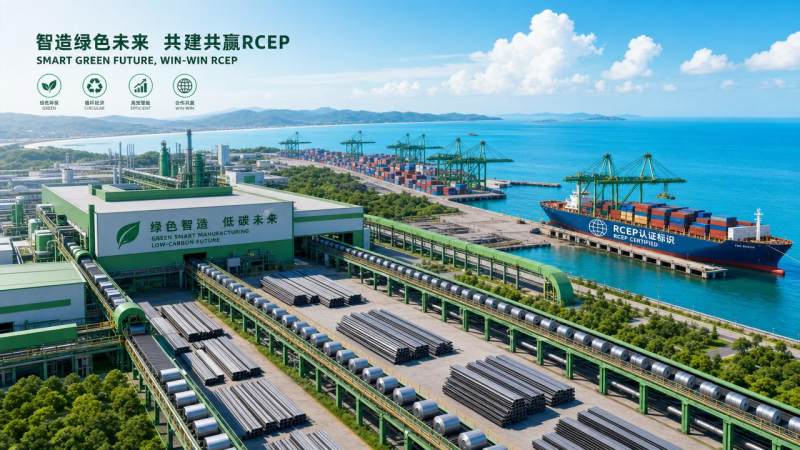
Key Policy Directives
The plan specifically targets coastal steel production hubs, mandating:
- Preferential treatment for export-oriented facilities meeting green production standards
- Infrastructure upgrades for port logistics serving steel exports
- Simplified RCEP origin certification processes for qualifying steel products
Market Implications Across the Supply Chain
For Export Manufacturers
Steel producers in designated provinces now face pressure to accelerate:
- Low-carbon production technology adoption
- Product mix upgrades toward higher-value offerings
- RCEP compliance documentation systems
For International Buyers
Overseas procurement teams may see:
- Improved supply consistency from certified Chinese mills
- Potential for leaner inventory strategies in RCEP markets
- New opportunities for technical collaboration on specialty steels
Operational Priorities for Industry Players
Certification Preparedness
Exporters should immediately audit their:
- Carbon accounting methodologies
- Origin documentation workflows
- Product classification against RCEP rules
Logistics Network Optimization
The policy signals coming infrastructure investments require:
- Reassessment of port partnerships
- Potential for consolidated shipments
- Digital tracking system upgrades
Industry Perspective
Analysis shows this policy represents more than aspirational guidance - it's a coordinated push to:
- Elevate China's position in premium steel segments
- Leverage RCEP trade advantages systematically
- Address growing international carbon compliance requirements
What deserves closer attention is how provincial implementation details will emerge in coming quarters, particularly regarding:
- Green production verification standards
- Port capacity allocation mechanisms
- Transition timelines for existing facilities
A Strategic Inflection Point
This policy marks a deliberate shift from volume to value in China's steel exports, with coastal provinces serving as testbeds for integrated green production and efficient trade execution. While the direction is clear, the pace and practical impact will depend on subsequent provincial-level regulations and market reception of upgraded Chinese steel products in target markets.
Source Information
This analysis is based on the official release of China's 15th Five-Year Plan on May 28, 2026. While specific implementation guidelines from provincial authorities are pending, industry participants should monitor announcements from:
- China's Ministry of Industry and Information Technology
- Coastal provincial commerce departments
- RCEP certification authorities
Further verification of operational details through official channels remains essential as the policy rolls out.
Please give us a message


Please enter what you want to find