Carbon steel pipe stockist lead times surged 40% in Q1 2026 — impacting procurement of critical materials like A106 carbon steel pipe, seamless CS pipe, and industrial galvanized pipe. From galvanized steel conduit for electrical applications to coated steel pipe and galvanized plumbing pipe, delays are rippling across construction, energy, and infrastructure projects. As carbon steel pipe manufacturers and galvanised steel pipe suppliers face raw material volatility, logistics constraints, and rising demand for ASTM-compliant products, buyers — especially procurement teams, project managers, and technical evaluators — need agile sourcing alternatives. Hongteng Fengda, a certified carbon steel pipe manufacturer and structural steel exporter from China, offers stable lead times, OEM-ready solutions, and full compliance with ASTM, EN, and GB standards.
Global Supply Chain Pressures Behind the 40% Lead Time Surge
The 40% year-on-year increase in carbon steel pipe stockist lead times during Q1 2026 reflects systemic strain—not isolated supplier inefficiency. Three interlocking factors dominate: first, iron ore price volatility spiked 28% YoY amid tightened export quotas from key producers; second, maritime freight rates for Asia–North America routes rose 35% following port congestion in Los Angeles and Rotterdam; third, domestic steel mill maintenance cycles in China extended by an average of 11 days per facility due to stricter environmental compliance audits under updated GB/T 14977 regulations.
These pressures disproportionately affect seamless CS pipe and A106-grade welded pipe—both requiring precise thermal treatment and multi-stage NDT validation. Stockists report inventory turnover dropping from 4.2x/year to 2.7x/year, pushing reorder thresholds higher and compressing buffer stocks. For project managers coordinating EPC timelines, even a 7-day delay in pipe delivery can cascade into 14–21 days of downstream schedule slippage—especially when galvanized steel conduit or coated steel pipe is required for corrosion-critical zones.
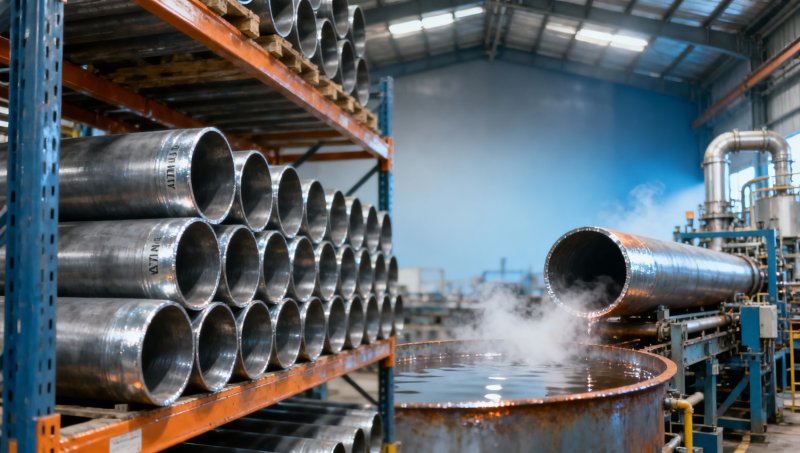
A recent cross-regional survey of 87 procurement officers revealed that 63% now require ≥30-day advance notice for ASTM A106 Grade B orders—up from 12 days in Q4 2025. This signals a structural shift: buyers are no longer managing just cost and spec, but *certainty of availability*.
Why Structural Steel Exporters Like Hongteng Fengda Deliver Stability
Unlike commodity-focused stockists, integrated structural steel manufacturers maintain vertical control over billet sourcing, rolling, heat treatment, and finishing—enabling tighter production scheduling and reduced dependency on spot-market raw inputs. Hongteng Fengda operates two ISO 9001-certified mills in Jiangsu Province, each equipped with automated ASTM A106 hydrostatic test lines and EN 10217-1 certified galvanizing baths (zinc coating thickness: 65–85 µm).
Our capacity allocation model reserves 35% of monthly output for committed OEM contracts—ensuring priority processing for clients requiring seamless CS pipe, cold-formed structural components, or custom angle steel profiles. Lead time consistency is further reinforced through dual-sourcing agreements for key alloying elements (e.g., manganese ferroalloys from both South African and Australian suppliers), mitigating single-origin risk.
For technical evaluators assessing compliance, every shipment includes traceable mill test reports (MTRs) aligned with ASTM A53, A106, EN 10217, and GB/T 3091—validated by third-party labs including SGS and Bureau Veritas. This eliminates post-delivery retesting delays common with gray-market stockist consignments.
Strategic Sourcing Alternatives: When Pipe Delays Demand Cross-Product Flexibility
Procurement teams facing extended pipe lead times are increasingly evaluating complementary high-strength, corrosion-resistant alternatives—particularly where mechanical integrity and environmental resistance remain non-negotiable. Stainless Steel Welded Mesh serves as a functional bridge in filtration, screening, and architectural cladding applications—offering ASTM-compliant performance without the extended wait of heavy-walled carbon pipe.
Available in SS 304, 316, and 430 grades, this mesh supports open-area ranges from 25% to 84.6%, with micron retention spanning 32–360 µm—making it viable for chemical industry separation, mine industry dewatering, and residential HVAC filter frames. Its lightweight roll format (max width: 240″, max length: 2000′) enables rapid deployment and field customization—reducing on-site labor by up to 40% versus welded carbon pipe assemblies.
The table below compares key decision criteria between delayed carbon pipe and readily available stainless alternatives:
This flexibility is especially valuable for engineering firms designing modular skids, chemical plant ventilation systems, or offshore platform safety enclosures—where timeline certainty outweighs marginal material cost differences.
Procurement Risk Mitigation: 5 Actionable Steps for Buyers
To counteract supply chain uncertainty, forward-looking procurement professionals adopt these evidence-based practices:
- Lock in annual framework agreements with vertically integrated exporters—securing fixed pricing and guaranteed minimum allocations (e.g., Hongteng Fengda’s Tier-1 partner program requires ≥500 MT/year commitment for 12-week firm lead time).
- Pre-qualify dual-source options for critical specs: e.g., A106 Gr.B pipe + SS 304 welded mesh for backup filtration paths.
- Require digital MTR access at order confirmation—not upon shipment—to verify real-time compliance status against ASTM/EN/GB standards.
- Factor in landed cost—not just FOB: include demurrage risk (avg. $12,500/day at congested ports) and inland transport variability when comparing quotes.
- Validate galvanizing bath chemistry via batch-specific zinc-iron alloy reports—critical for galvanized plumbing pipe longevity in high-chloride environments.
Conclusion: Prioritizing Certainty Over Commodity Pricing
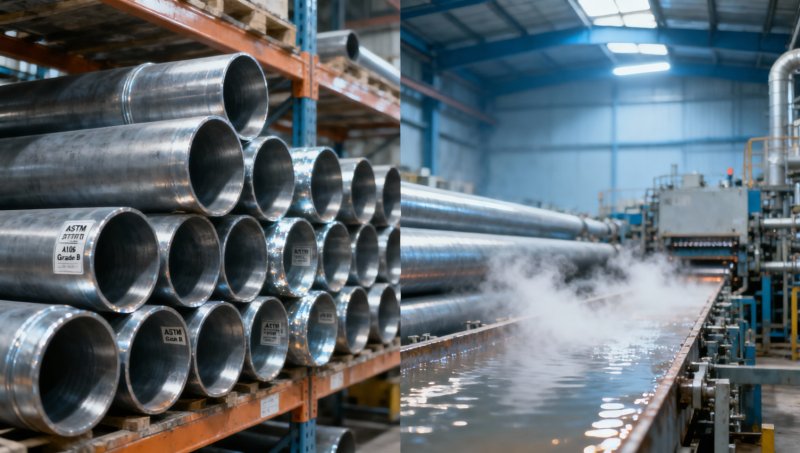
The 40% lead time expansion for carbon steel pipe is not a temporary fluctuation—it reflects enduring shifts in resource governance, regulatory enforcement, and global logistics architecture. For project managers, financial approvers, and technical evaluators, the strategic response lies not in waiting for markets to “normalize,” but in partnering with manufacturers who embed resilience into their operational DNA.
Hongteng Fengda delivers exactly that: verified ASTM/EN/GB compliance, OEM-ready fabrication capability, and lead time predictability backed by 18 years of structural steel export experience. Whether you require A106 seamless pipe, cold-formed steel profiles, or corrosion-resistant alternatives like Stainless Steel Welded Mesh, our team provides tailored solutions—not just catalog items.
Contact us today to request your customized procurement roadmap—including sample lead time benchmarks, compliance documentation templates, and multi-spec volume discount structures.
Please give us a message


Please enter what you want to find