Choosing the right stainless steel embossed plate supplier in Europe demands more than competitive pricing—it requires verified compliance with critical European certification marks like CE, EN 10088, and ISO 9001. For procurement teams, engineers, and project managers evaluating suppliers, these certifications directly impact safety, durability, and regulatory acceptance—especially when sourcing stainless steel corrugated sheet for roofing, mirror stainless sheet for architectural decoration, or pipe stainless steel high corrosion resistance solutions. As a trusted stainless steel corrugated sheet manufacturer in China and structural steel exporter, Hongteng Fengda ensures all products—including SS 304 tube price per meter offerings and AZ150 Galvalume Steel Coil for construction—meet stringent EU standards, supporting global buyers in risk-free, code-compliant sourcing.
Which Certification Marks Are Non-Negotiable for EU Market Access?
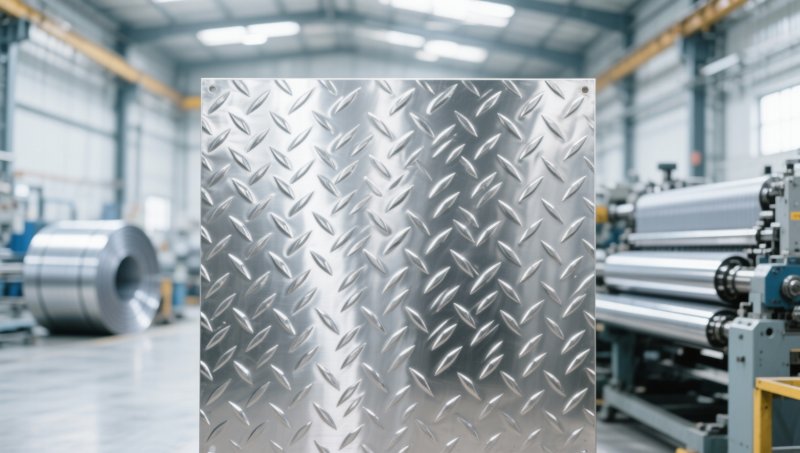
In the European Union, stainless steel embossed plates used in construction, transportation, and industrial equipment must pass strict conformity assessments before entering the market. The CE marking is not optional—it’s a legal requirement under Regulation (EU) No 305/2011 (Construction Products Regulation, CPR). Without it, products cannot be placed on the EU market, regardless of origin or price advantage.
Beyond CE, three certifications carry decisive weight in technical evaluation: EN 10088 (stainless steel grades and mechanical properties), EN 10204 (inspection documentation types), and ISO 9001 (quality management systems). These are not interchangeable—each serves a distinct function. EN 10088 defines material composition limits (e.g., Cr ≥ 10.5%, Ni ≥ 8% for 304), while EN 10204 Type 3.1 certifies mill test reports with traceable chemical and tensile data. ISO 9001 validates process consistency—not just one batch, but every production run over time.
Suppliers claiming “CE compliant” without issuing EN 10204 3.1 certificates—or those using outdated EN 10088-1:2005 instead of current EN 10088-1:2014—introduce real project risk. For example, non-conforming chromium content may reduce pitting resistance by up to 40% in coastal environments. That’s why forward-looking procurement teams now require full certification dossiers—not just logos on brochures.
This table highlights why certification depth matters more than logo count. A supplier holding only ISO 9001—but no EN 10088-2 test reports—cannot guarantee substrate integrity beneath the embossed pattern. Conversely, CE without EN 10204 3.1 leaves traceability gaps for audit-ready projects like EU-funded infrastructure.
How Do Key Certifications Impact Real-World Applications?
Certification alignment directly determines performance in critical use cases. For stainless steel embossed plates installed as anti-skid flooring around heavy machinery or ship decks, EN 10088-2:2014 mandates minimum yield strength (≥205 MPa for 304) and elongation (≥40%)—ensuring the pattern remains intact under dynamic loads. In contrast, decorative mirror-finish stainless sheets for façades rely on EN 10088-2’s surface roughness limits (Ra ≤ 0.8 µm) to prevent optical distortion.
For transport applications—especially railcar interiors—EN 45545-2 fire classification becomes mandatory. While not a stainless steel standard per se, it requires full material traceability back to EN 10088-compliant base metal. This cascading compliance means suppliers must coordinate testing across multiple standards—not just one.
Hongteng Fengda integrates these requirements into its production workflow. Every A36 Patterned steel plate batch undergoes dual verification: EN 10029 surface inspection (for pattern uniformity and defect thresholds) and EN 10088-2 tensile testing (at 3 sample points per coil). Thickness tolerance is held to ±0.02mm, and花纹 height is confirmed at ≥0.2× substrate thickness—ensuring consistent anti-skid performance across 2–8mm gauges.
Critical Application Parameters at a Glance
- Construction & Flooring: EN 10088-2 + EN 10029 + CE + EN 10204 3.1 required; minimum 3-year salt-spray test report (ISO 9227) for coastal projects
- Transport Interiors: EN 45545-2 HL3 compliance + EN 10088-2 + CE; flame-retardant coating validation mandatory
- Architectural Decoration: EN 10088-2 + EN 10029 Class A surface finish + ISO 9001; Ra ≤ 0.5 µm for mirror-grade variants
What Should Procurement Teams Verify Beyond the Certificate?
Certificates alone don’t guarantee performance. Smart procurement involves cross-checking four dimensions: document authenticity, production traceability, physical test alignment, and post-delivery support. First, verify certificate validity via the issuing body’s online registry (e.g., UKAS, DNV, TÜV). Second, confirm that mill test reports reference actual heat numbers—not generic batches.
Third, match test parameters to your application: for embossed plates used in food processing plants, check EN 10088-2’s sulfur content limit (≤0.015%) to avoid bacterial harbor points. Fourth, assess responsiveness—can the supplier provide retest samples within 7–10 working days if a site inspection flags variance?
At Hongteng Fengda, every export order includes EN 10204 3.1 reports with full heat traceability, plus third-party SGS/BV verification upon request. Lead times for certified A36 Patterned steel plate shipments to EU ports average 25–35 days—including customs clearance coordination and pre-arrival documentation prep.
Why Partner With a Certified Structural Steel Exporter From China?
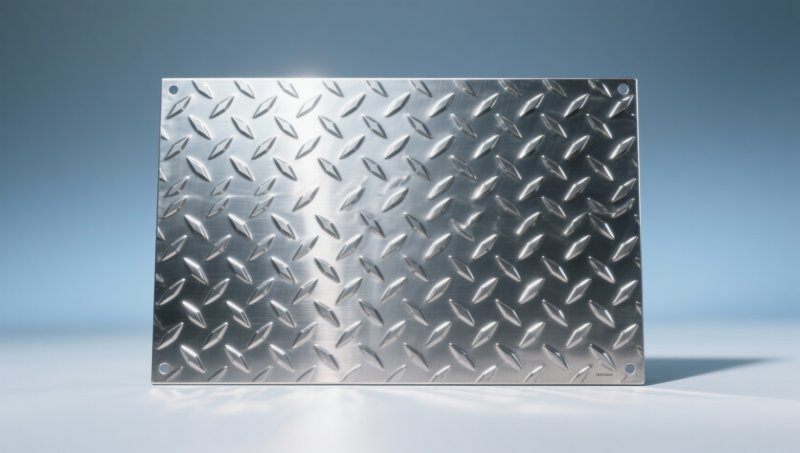
Sourcing from China doesn’t mean compromising on EU compliance—if the partner embeds certification into its operational DNA. Hongteng Fengda maintains EN 10088-2-aligned production lines calibrated to ASTM, DIN, JIS, BS, GB/TC, and ISO standards simultaneously. Our facility holds ISO 9001:2015, ISO 14001:2015, and OHSAS 18001:2007 certifications—and all stainless steel embossed plates are subject to 100% visual inspection and ultrasonic testing where specified.
We support EU-based buyers with: (1) Pre-shipment CE documentation packages ready in English/German/French; (2) EN 10204 3.1 reports with full chemical and mechanical test data; (3) Custom embossing patterns validated against EN 10029 surface class requirements; and (4) Technical consultation for hybrid applications—e.g., combining A36-patterned plates with SS 304 tubes in modular walkway systems.
Ready to validate certification readiness for your next project? Contact us to request: EN-compliant mill test reports, CE declaration templates, lead time confirmation for your target port, or OEM pattern design support—all within 48 hours of inquiry.
Please give us a message


Please enter what you want to find