When outdoor durability, cost control, and long-term performance matter, galvanized steel channel often stands out as the smarter option. For buyers comparing structural steel channel solutions, understanding corrosion resistance, load capacity, and application fit is essential. This guide explains when galvanized steel channel delivers better value for construction, industrial, and support-frame projects.
Why galvanized steel channel is often the better outdoor option
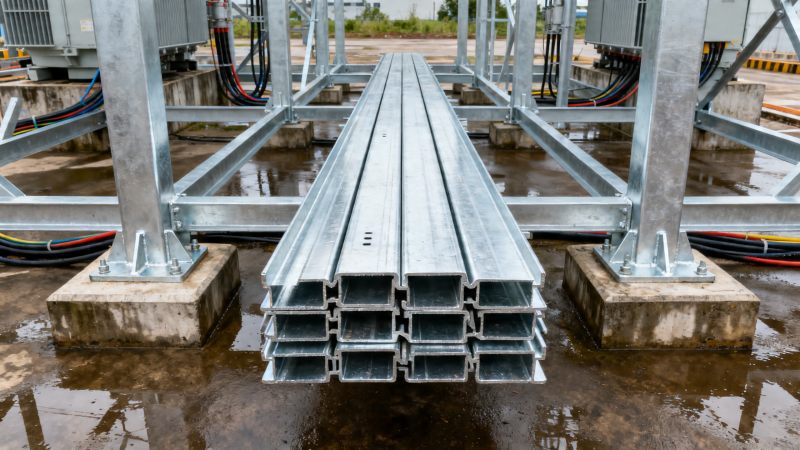
Outdoor steel selection is rarely only about initial price. In construction yards, industrial plants, agricultural sites, logistics areas, and infrastructure projects, the real question is how a steel channel performs after 12 months, 24 months, and 5 or more years of exposure. Rain, humidity, coastal air, chemical splash, and temperature swings can quickly turn a low-cost section into a maintenance burden.
Galvanized steel channel becomes the better choice when corrosion risk is moderate to high and repainting is difficult, costly, or disruptive. The zinc coating acts as a protective layer that helps delay red rust and supports more stable appearance and service performance in outdoor use. For project managers and procurement teams, that often means fewer shutdowns, lower maintenance frequency, and more predictable lifecycle cost.
For technical evaluators, the comparison should include 3 core factors: environment severity, structural load demand, and expected maintenance interval. In many general outdoor applications such as cable supports, platform framing, fence structures, solar mounting subframes, equipment bases, and light-duty industrial supports, galvanized steel channel offers a balanced solution between durability and budget.
For buyers sourcing from overseas, supply reliability also matters. Hongteng Fengda manufactures and exports structural steel products from China with standard and customized solutions, supporting ASTM, EN, JIS, and GB requirements. That matters when a project needs repeatable dimensions, stable lead times of 2–6 weeks depending on specification, and quality consistency across multiple shipments.
What makes outdoor performance different from indoor performance
Indoor channels are usually exposed to controlled humidity and limited direct water contact. Outdoor channels can face standing water, condensation, UV exposure, airborne salts, and debris retention inside the web-flange geometry. These conditions accelerate coating breakdown and surface attack, especially at cut edges, connection points, and weld zones.
In practical terms, a channel that looks acceptable at installation can become a maintenance issue within one rainy season if the coating system does not match the environment. This is why many engineers prefer galvanized channel for open-air framing and reserve plain black steel for enclosed or further-fabricated applications where post-treatment is planned.
Typical outdoor situations where the choice becomes clearer
- Projects with service cycles longer than 3–5 years and limited maintenance access.
- Support structures installed in coastal, humid, or industrial areas where corrosion pressure is higher.
- Multi-site procurement where consistent finish and lower field painting work help control labor cost.
- Distributor inventories serving contractors who want ready-to-install steel channel options.
Which outdoor applications benefit most from galvanized steel channel
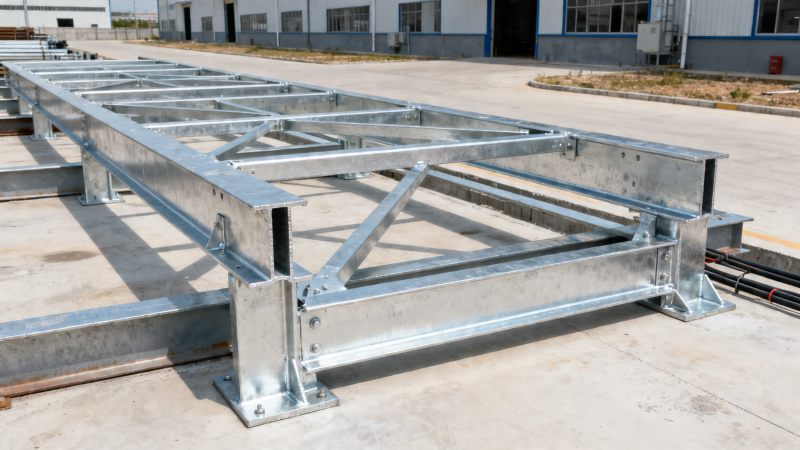
Not every application needs the same corrosion allowance. A galvanized steel channel is usually most valuable where the steel is exposed but not constantly submerged, and where moderate structural strength must be paired with easier field installation. This includes commercial construction, mechanical and electrical support systems, agricultural buildings, warehouse exteriors, utility frames, and transport-related infrastructure.
For operators and site supervisors, the main benefit is practical. The section arrives with a protective finish, reducing the number of coating steps needed on site. That can save several process stages, especially for medium-volume projects with 50–500 pieces, where field painting adds labor, scheduling complexity, and weather-related delays.
For distributors and resellers, galvanized steel channel also fits inventory strategy because it serves a broad customer base. It is suitable for both direct use and light fabrication. End users often prefer it when they need visible steel members outdoors but do not want to manage a separate anti-corrosion contractor.
The table below helps compare common outdoor use cases and the relative suitability of galvanized channel. It is a practical reference for procurement teams deciding between plain carbon steel channel, painted channel, and galvanized steel channel.
The main takeaway is simple: galvanized steel channel is not only for harsh environments. It is often the more economical outdoor choice in ordinary environments too, especially when owners want to reduce painting, simplify maintenance planning, and improve the reliability of exposed steel components over a 3–10 year operating horizon.
Where buyers should be more cautious
If the installation site involves constant immersion, aggressive chemicals, or heavy abrasion, standard galvanized steel channel may not be enough by itself. In those cases, engineers may need heavier zinc coating, duplex systems, or alternative materials. A proper review of coating specification, drainage detail, and edge protection becomes critical before ordering.
It is also important to consider fabrication sequence. If extensive cutting, drilling, or welding happens after delivery, coating continuity can be affected. Procurement teams should confirm whether the material is supplied pre-fabricated, partially processed, or intended for post-galvanizing workflows.
How does galvanized channel compare with black steel, painted steel, and other options?
The better outdoor choice depends on total use conditions, not on one material label. Black steel channel is usually lower in initial cost, but it needs protective treatment for exterior service. Painted channel can work well in many settings, but coating damage during transport or installation may create touch-up work. Galvanized steel channel starts with a stronger corrosion-resistance position for many general outdoor applications.
Decision-makers should compare 4 dimensions together: purchase cost, expected maintenance cycle, installation workflow, and exposure severity. Finance teams often focus on unit price, while engineers focus on service life. The best procurement decision usually comes when both sides compare lifecycle cost over a realistic operating period such as 3 years, 5 years, or one full asset cycle.
The following table summarizes the most common comparison points. It is useful for technical buyers, project managers, and commercial evaluators who need a quick but practical framework before requesting quotations.
In many B2B situations, galvanized steel channel wins because it avoids the two extremes: it is not as exposed as black steel and not as expensive as stainless solutions. That middle-ground value is especially attractive for contractors, distributors, and project owners balancing budget with durability.
A practical note on related steel products
Outdoor projects often combine channel sections with pipe systems, support legs, and fabricated connectors. In such assemblies, buyers may also need pipe products with matched corrosion protection and standard compliance. For example, for global industrial applications that require carbon steel pipe in API or ASTM specifications, High Carbon Steel Pipe can be integrated into support-frame or piping layouts depending on design needs.
That product range covers common grades such as A53 Gr.B, A36, ST52, ST35, ST42, X42 to X70, with outer diameter from 15mm to 1200mm, wall thickness from SCH10 to XXS, and surface options including black paint, varnish, oil, galvanized, and anti-corrosion coated finishes. For buyers managing mixed steel packages, aligning channel and pipe specifications can reduce sourcing complexity and inspection workload.
When lifecycle cost matters more than purchase price
A lower purchase price may still lead to a higher total cost if repainting, shutdown access, labor mobilization, and replacement risk are considered. On outdoor support projects, the cost difference between options is often recovered through fewer maintenance events over 1–3 service intervals. This is why commercial teams should request both unit-price quotations and finish-specific maintenance assumptions before approval.
What technical and procurement checks should you make before ordering?
A good galvanized steel channel order starts with correct technical definition. Buyers should confirm at least 5 items before placing a purchase order: section size, steel grade, coating method, required standard, and fabrication scope. Missing just one of these can create rework, installation mismatch, or approval delays at the quality-control stage.
For project managers, a practical procurement process usually has 4 steps: define load and environment, freeze dimensions and tolerances, confirm standards and inspection method, then review delivery and packaging. On export orders, packaging and marking are not secondary details. They affect unloading speed, warehouse control, and traceability across batches.
Hongteng Fengda supports global buyers with standard specifications and OEM structural steel solutions. That is useful when customers need not only stock-like sizes, but also customized punching, cutting, bundled supply, or coordinated shipments for channel steel, angle steel, beams, and cold formed profiles. For many overseas projects, reliable execution across these categories helps reduce sourcing risk more than chasing the lowest line-item price.
The table below can be used as a procurement checklist for galvanized steel channel. It helps technical teams, purchasers, and quality personnel align requirements before formal quotation and production release.
This checklist is especially valuable for cross-border procurement. A well-defined RFQ can shorten clarification cycles by several days, reduce quotation mismatch, and make quality inspection more objective. In steel purchasing, clarity at the beginning often saves more than negotiation at the end.
Common mistakes that increase project cost
- Choosing galvanized steel channel only by unit price without checking environment severity or drainage design.
- Ignoring post-fabrication steps that can damage the protective layer at welds, holes, and cut edges.
- Failing to align structural drawings, purchasing specifications, and site installation details before production starts.
- Assuming all galvanizing conditions are identical without clarifying standard, coating expectation, and inspection method.
FAQ and final buying advice for outdoor channel steel projects
Many buyers already know that galvanized steel channel resists corrosion better than untreated steel. The harder part is deciding when it is economically justified, what must be specified, and how to avoid costly mismatches. The questions below address the issues most often raised by information researchers, technical reviewers, purchasers, and project decision-makers.
In most cases, the right decision comes from matching 3 variables: environment, fabrication method, and maintenance plan. If those are defined clearly, galvanized steel channel becomes much easier to evaluate against painted or untreated alternatives.
It is also worth remembering that outdoor steel procurement is not only a product purchase. It is a supply-chain decision involving documentation, lead time, packaging, and inspection. That is where an experienced structural steel manufacturer and exporter can add practical value beyond material supply alone.
How do I know if galvanized steel channel is necessary for my project?
If the channel will be installed outdoors for more than 12 months and will face repeated rain, humidity, or industrial air, galvanized steel channel is usually worth evaluating first. It becomes even more suitable when maintenance access is limited, the project includes dozens or hundreds of similar supports, or the owner wants lower repainting demand over a 3–5 year period.
What should procurement teams ask suppliers before ordering?
Ask for section dimensions, steel grade, standard reference, coating description, fabrication scope, inspection method, packing details, and lead time. For export projects, also confirm quantity split, shipping marks, document package, and whether custom fabrication is included. These details affect not only price but also installation efficiency and acceptance speed.
Is galvanized steel channel always the lowest total-cost option?
Not always. In dry indoor conditions, plain or lightly coated carbon steel may be more economical. In highly corrosive environments, a more advanced system may be required. But for a wide range of outdoor structural and support applications, galvanized steel channel often delivers one of the best cost-to-durability balances available in standard steel supply.
Why choose us for galvanized steel channel and related structural steel supply?
Hongteng Fengda supports global buyers with structural steel manufacturing and export services from China, covering angle steel, channel steel, steel beams, cold formed steel profiles, and customized structural components. Our production and quality-control approach is built around stable supply, standard compliance, and practical customization for construction, industrial, and manufacturing projects.
If you are comparing galvanized steel channel options, you can contact us for section parameter confirmation, standard matching, corrosion-protection discussion, OEM processing details, delivery schedule planning, sample support, and quotation review. If your project includes mixed steel items, we can also help coordinate related sections and pipe products into a clearer procurement package.
For faster evaluation, send your drawing, target standard, quantity range, required finish, and destination market. With those 5 inputs, our team can help you review product selection, feasible lead time, inspection focus points, and a practical supply solution for your outdoor steel project.
Please give us a message


Please enter what you want to find