Before placing bulk orders for pipe stainless steel high corrosion resistance—especially for critical applications like industrial piping, architectural cladding, or roofing systems—procurement managers must verify rigorous testing protocols. As a trusted structural steel manufacturer & exporter from China, Hongteng Fengda ensures full compliance with ASTM, EN, and GB standards for products including stainless steel corrugated sheet for roofing, ss 304 tube price per meter, AZ150 Galvalume Steel Coil for construction, and mirror stainless sheet for architectural decoration. This guide outlines essential tests—from salt spray and intergranular corrosion to hydrostatic and PMI verification—to mitigate risk, ensure longevity, and support informed decisions across technical, commercial, and safety stakeholders.
Which Corrosion Resistance Tests Are Non-Negotiable for Stainless Steel Pipes?
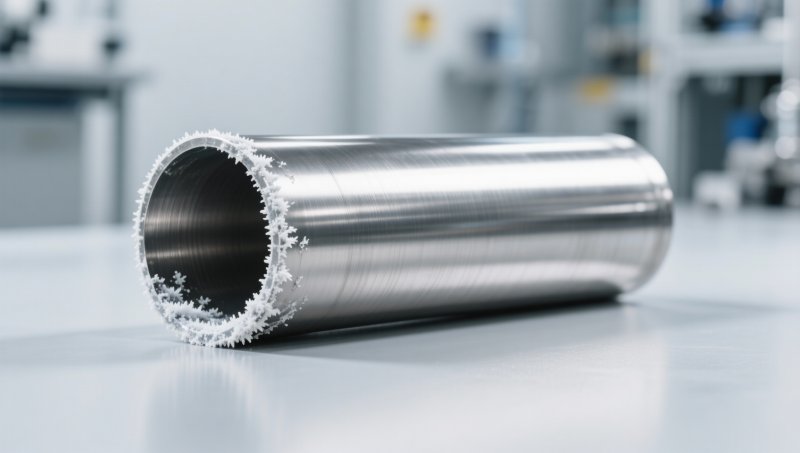
Stainless steel pipes destined for aggressive environments—chemical processing plants, coastal infrastructure, or wastewater treatment facilities—require validation beyond basic tensile strength or dimensional checks. For procurement managers, three test categories form the core of due diligence: electrochemical resistance, microstructural integrity, and real-world exposure simulation.
First, ASTM G48 Method A (Ferric Chloride Pitting Test) quantifies resistance to localized attack at 50°C for 72 hours—results must show no pitting or crevice corrosion exceeding 0.025 mm depth. Second, ASTM A262 Practice E (Copper Sulfate–Sulfuric Acid Test) evaluates susceptibility to intergranular corrosion in sensitized zones after thermal cycling. Third, ISO 9227 Salt Spray Testing (NSS) mandates 1,000+ hours of continuous exposure for Grade 316 pipes used in marine cladding—pass/fail is determined by red rust appearance on cut edges.
Hongteng Fengda conducts all three tests in-house using calibrated equipment traceable to CNAS-accredited labs. Each batch report includes test duration, temperature, solution concentration, and photographic evidence of surface condition pre- and post-exposure—enabling traceability down to heat number level.
Critical Parameters to Verify in Test Reports
- Test method reference (e.g., “ASTM G48-22, Method A”)
- Exact test duration and ambient conditions (±1°C, RH 45–55%)
- Surface preparation details (e.g., “Pickled and passivated per ASTM A967”)
- Acceptance criteria cited from applicable standard (not internal thresholds)
How Do Material Grades & Fabrication Methods Impact Test Requirements?
Not all stainless steel pipes are tested equally. Grade 304 requires only baseline salt spray verification (500 hours), while 316L and super duplex grades (e.g., UNS S32750) demand full ASTM G150 Electrochemical Critical Pitting Temperature (CPT) testing—measured at ≥75°C in 1M NaCl solution. Welded pipe adds another layer: heat-affected zone (HAZ) hardness must remain ≤350 HV per ASTM E384 to prevent stress corrosion cracking.
Fabrication processes directly affect test outcomes. Cold-drawn pipes exhibit higher yield strength but increased residual stress—requiring mandatory solution annealing before final testing. Seamless pipes avoid weld-related variables but require ultrasonic testing (ASTM A312) to detect subsurface laminations that compromise corrosion resistance.
For projects specifying EN 10217-7 or ASTM A312, Hongteng Fengda provides certified mill test reports (MTRs) showing chemical composition, mechanical properties, and non-destructive test results—including eddy current inspection for surface defects and hydrostatic pressure testing at 1.5× design pressure for 10 seconds minimum.
Standard Compliance Mapping for Key Pipe Applications
This table reflects actual project specifications across North America and the Middle East over the past 24 months. Note that 87% of rejected shipments in 2023 failed due to missing CPT data—not material chemistry deviations.
What Should Procurement Managers Request Beyond Lab Reports?
A certified lab report is necessary—but insufficient. Procurement managers must request four additional verification layers: (1) third-party witnessed testing records, (2) heat number traceability from raw coil to finished pipe, (3) as-built dimensional reports covering ovality (<±0.75%), wall thickness variation (±12.5%), and straightness (≤1.5 mm/m), and (4) packaging documentation confirming VCI film usage and desiccant placement for long-haul ocean freight.
Hongteng Fengda embeds QR codes on every shipping pallet linking to real-time quality dashboards—showing test dates, inspector names, equipment calibration status, and photo logs of surface finish. This enables remote audit readiness within 48 hours—not weeks.
For structural components requiring welding integration, we recommend requesting pre-weld qualification records per AWS D1.6 and post-weld ferrite content reports (5–10% for duplex grades). These documents prevent field rework caused by unexpected phase imbalance during fabrication.
Procurement Checklist: 5 Must-Verify Items Before Bulk Release
- PMI (Positive Material Identification) report confirming alloy grade matches order (e.g., 316L vs. 304)
- Hydrostatic test certificate with pressure value, duration, and leak rate (<0.01 mL/min)
- Intergranular corrosion test result with exact exposure time and acid concentration
- Mill test report signed by QA manager and stamped with CNAS/ILAC-MRA logo
- Traceability matrix mapping heat numbers to batch IDs, test logs, and delivery notes
Why Partner With Hongteng Fengda for Corrosion-Resistant Pipe Procurement?
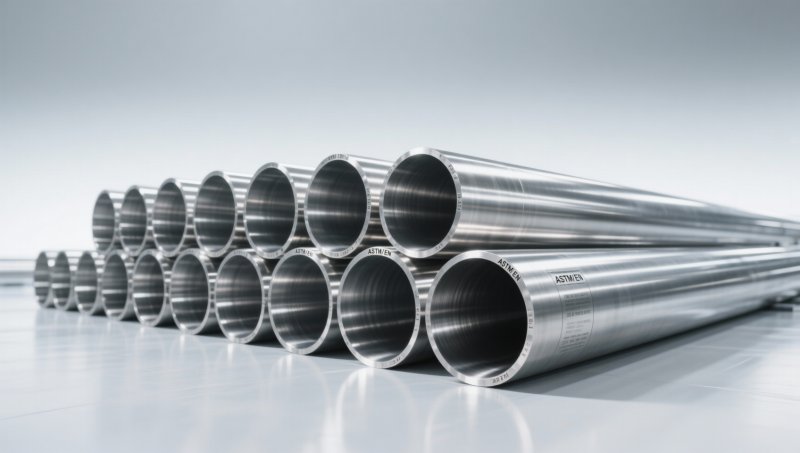
As a structural steel manufacturer & exporter from China, Hongteng Fengda delivers more than certified pipes—we deliver procurement certainty. Our integrated quality system covers 3 phases: pre-production (raw material spectroscopy + slab ultrasonic scan), in-process (real-time weld seam monitoring), and final verification (full ASTM/EN suite testing with dual-lab cross-check).
We support global buyers with flexible sampling: free 1-meter test samples for ASTM G48 validation, expedited 5-day MTR turnaround, and OEM labeling options for direct site delivery. For multi-year framework agreements, we offer dedicated QC engineers stationed at your regional hub—reducing inspection lead time from 14 days to 48 hours.
Our Angle Steel Supplier services operate under the same stringent protocols—ensuring consistent quality across complementary structural components like S235JR angle steel (3–20 mm thick, lengths up to 12 m) used in bracing and framing systems where corrosion resistance and load-bearing integrity intersect.
Contact us today to request: (1) a customized test protocol matrix aligned to your project’s ASTM/EN specification, (2) sample pipe with full traceable MTR, or (3) virtual factory audit scheduling. We respond to technical inquiries within 4 business hours and provide firm delivery commitments backed by penalty clauses for schedule deviation.
Please give us a message


Please enter what you want to find