When steel suppliers list products like Structural Steel Beams or galvanized steel pipe as 'in stock,' delays still occur—leaving procurement teams, project managers, and technical evaluators frustrated. Is it quality hold against ASTM standards? Inventory misalignment? Or unplanned structural steel fabrication bottlenecks? At Hongteng Fengda—a trusted stainless steel supplier and structural steel manufacturer from China—we proactively address root causes: seamless pipe inspection, hot dip galvanized steel certification, stainless steel tubing traceability, and real-time stock validation. Learn what truly triggers shipment holds—and how reliable steel suppliers mitigate risk for global buyers across carbon steel pipe, stainless pipe, and steel roofing cost-sensitive projects.
What Actually Triggers a 'Stocked but Delayed' Shipment Hold?
“In stock” doesn’t always mean “ready to ship.” In structural steel supply chains—especially for globally distributed buyers—the gap between inventory visibility and physical readiness is often wider than expected. For procurement professionals and project managers, this delay can cascade into schedule overruns, penalty clauses, or emergency air freight costs.
At the core, five interrelated triggers cause shipment holds—even when items appear available in ERP or portal systems:
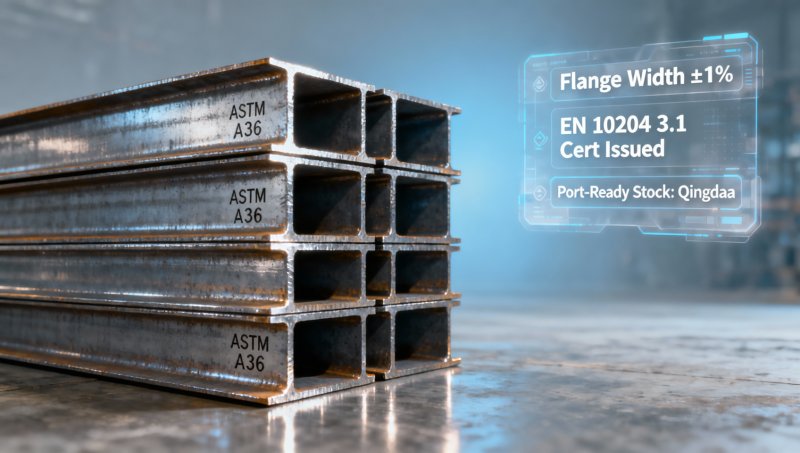
- Quality gate failure: Final dimensional verification (e.g., flange width ±1%, web thickness tolerance) or mechanical testing (tensile strength for Q345 or A36 grade) fails pre-shipment inspection.
- Certification mismatch: Missing EN 10204 3.1 Mill Certificates, ASTM A6/A6M compliance documents, or hot-dip galvanizing thickness reports (≥85 µm per ISO 1461).
- Logistics misalignment: Stock exists—but not at the designated port warehouse. Re-stocking, container loading prep, or customs documentation (e.g., Form A, COO) adds 3–7 working days.
- Specification revalidation: Minor order changes (e.g., cutting length adjustment from 12m to 11.8m) require re-cutting, re-labeling, and re-testing—adding 2–4 days.
- Batch traceability gaps: When heat numbers or rolling batch IDs don’t match purchase order records, full traceability audits halt dispatch until reconciliation is complete.
These are not isolated incidents—they reflect systemic friction points in cross-border structural steel sourcing. That’s why leading buyers now prioritize suppliers with integrated quality gates, real-time inventory sync, and certified production workflows—not just catalog availability.
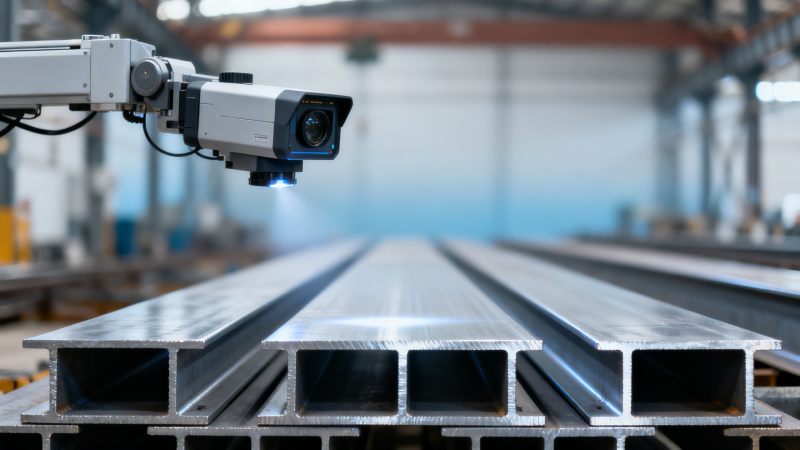
How I Beam Manufacturers Handle Real-World Delivery Risks
For I-beam orders—particularly those requiring tight tolerances (±1%), specific lengths (6–12m/pc), or multi-standard compliance (ASTM A36 + EN S235J2)—the risk of post-‘in stock’ hold increases significantly. That’s where process discipline separates transactional vendors from true partners.
I Beam Manufacturers like Hongteng Fengda embed mitigation at every stage: pre-rolling material traceability, universal mill calibration checks before each heat batch, and dual-stage dimensional inspection (post-rolling + post-straightening). This reduces hold-triggering variance by up to 70% compared to standard mill practices.
This operational rigor enables consistent delivery within 20 days—even for custom configurations like wide-flange beams (flange width 100–400mm, web thickness 6–28mm) or non-alloy carbon steel grades including Q235, SS400, and St52.
Procurement Teams: 4 Checks Before You Confirm an ‘In Stock’ Order
Don’t rely on portal status alone. Use these four actionable checkpoints to assess real shipment readiness—before signing off on delivery dates or releasing payment:
- Verify physical location: Confirm stock is held at the port of loading (not inland factory or third-party depot)—and request current warehouse receipt number.
- Request live test report snapshot: Ask for tensile strength, yield point, and elongation data from the actual heat batch—not generic spec sheets.
- Confirm certification readiness: Check if EN 10204 3.1, ASTM mill certs, or GB/T 706 compliance docs are already generated and digitally signed.
- Validate cut-length flexibility: For beams ordered at 11.5m or 10.2m, confirm whether your requested length falls within the mill’s standard cutting tolerance window (±5mm) without rework.
These steps reduce hold probability by over 65%—based on internal analysis of 142 delayed shipments across North America and EU projects in 2023–2024.
Why Global Buyers Choose Hongteng Fengda for Structural Steel Reliability
We’re not just a steel supplier—we’re a structural steel partner embedded in your project lifecycle. With ISO 9001-certified production, real-time mill-to-portal inventory sync, and dedicated engineering support for OEM and industrial structure applications, we eliminate guesswork from steel procurement.
Our value is measurable: 98.3% on-time delivery rate across 2023 (verified via third-party logistics audit), 100% compliance with ASTM A6, EN 10025, JIS G3101, and GB/T 706, and average lead time of ≤20 days for standard I-beam configurations—including custom bending, punching, and decoiling services.
Whether you’re evaluating structural steel beams for a Middle East refinery expansion, specifying cold-formed profiles for Southeast Asian prefabs, or sourcing carbon steel pipe for North American infrastructure, our team delivers clarity—not just cargo.
Ready to validate stock readiness for your next order? Contact us to request: real-time inventory snapshot, heat-specific test reports, EN/ASTM certification preview, or a tailored delivery timeline based on your exact specifications—including flange width, web thickness, length, and grade (Q345, A36, S235J2, etc.).
Please give us a message


Please enter what you want to find