Optimizing steel sheet size is critical for balancing material efficiency and procurement logistics—especially when ordering custom cut-to-length sheets. While this approach significantly reduces scrap in prefabricated structural steel projects and improves yield for applications like lightweight steel tube framing or galvanized sheet for roofing, it often raises minimum order thresholds. For procurement personnel, technical evaluators, and enterprise decision-makers, understanding this trade-off—across structural steel grades, galvanized sheet thickness, and steel tubing dimensions—is key to cost control and supply chain resilience. As a trusted H-beam supplier and structural steel manufacturer from China, Hongteng Fengda helps global buyers navigate these complexities with precision-cut solutions compliant with ASTM, EN, and GB standards.
Why Cut-to-Length Steel Sheets Reduce Scrap—but Raise MOQs
Custom cut-to-length (CTL) steel sheet orders eliminate off-cut waste at the fabrication stage—especially vital for repetitive components such as purlins, girts, or roof decking panels. In prefabricated structural steel projects, typical scrap rates drop from 8–12% (with standard coil or sheet lengths) to under 3% when CTL is applied across consistent batch runs. This gain stems from precise nesting algorithms, CNC shear integration, and synchronized downstream processing.
However, CTL introduces logistical constraints. Rolling mills and slitting lines require stable production cycles to maintain dimensional accuracy and surface integrity. As a result, most manufacturers—including certified structural steel producers like Hongteng Fengda—enforce minimum order quantities (MOQs) of 15–25 metric tons for CTL requests on hot-rolled or galvanized base materials. Below this threshold, setup time, tooling recalibration, and quality verification disproportionately inflate unit costs.
The trade-off intensifies with tighter tolerances: ±0.3 mm thickness control or edge squareness within 0.15° demands stricter process validation—further raising MOQs by 20–30% compared to standard mill-run sheets. For procurement teams evaluating ROI, the break-even point typically occurs at project volumes exceeding 8,000 m² of finished sheet area.
How Thickness, Coating & Profile Impact CTL Feasibility
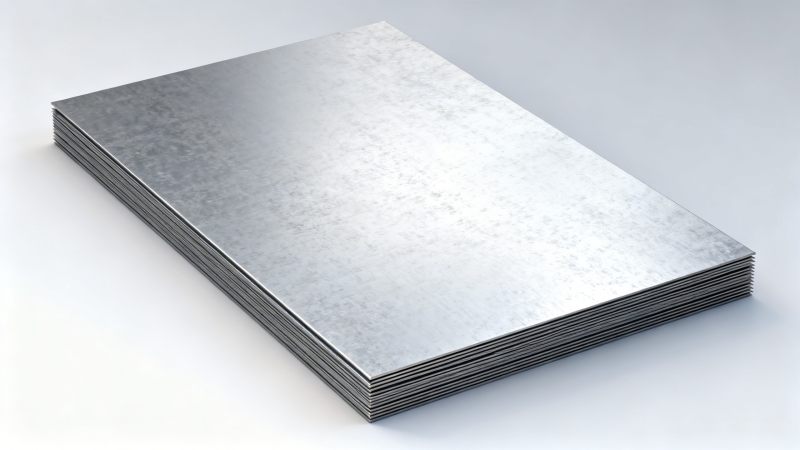
Not all steel sheets respond equally to CTL optimization. Key variables include base material thickness, coating system, and profile geometry. For example, thin-gauge color-coated steel—such as our Colored Corrugated Roof Sheet—performs exceptionally well in CTL workflows due to its stable 0.2mm–1.2mm thickness range and high tensile uniformity after continuous annealing.
Conversely, heavy-gauge structural plates (>12 mm) or heavily embossed profiles (e.g., deep trapezoidal decking >1.5 mm) face higher shear force variability and thermal distortion risk during high-speed cutting—necessitating slower line speeds and tighter lot controls. That’s why Hongteng Fengda applies ASTM A653/A792 and EN 10346 compliance checks at three stages: pre-slit coil inspection, mid-batch dimensional audit, and final length verification per ISO 9001 protocols.
This table highlights how CTL shifts not only volume thresholds but also tolerance expectations and scheduling flexibility. Buyers must weigh scrap reduction against extended planning horizons—particularly in just-in-time construction environments where warehouse space is limited and sequencing is tightly coupled.
Strategic Procurement: When to Choose CTL vs. Standard Sheets
CTL delivers maximum value in three distinct scenarios: (1) standardized modular buildings requiring identical roof panel sets across dozens of units; (2) OEM manufacturing with fixed BOMs and repeatable assembly jigs; and (3) large-scale infrastructure projects with centralized fabrication yards. In contrast, standard coils remain optimal for pilot builds, R&D prototypes, or mixed-specification sites where design revisions occur frequently.
Hongteng Fengda supports both models through dual-track production scheduling. Our ERP system flags CTL-eligible orders early—triggering automatic coordination between rolling, coating, and slitting departments. For clients ordering Colored Corrugated Roof Sheet, we offer hybrid options: pre-cut corrugated sheets (Wavy/Trapezoidal/Tile) with factory-applied PE/SMP coatings and 11–35 μm top-layer thickness—ensuring zero field trimming while meeting exact project dimensions.
Financially, CTL becomes viable when scrap recovery exceeds $120–$180 per tonne in labor, handling, and disposal—common in North American and EU markets where landfill fees exceed €45/m³ and skilled metalworker wages average $35–$48/hour.
Global Compliance & Quality Assurance for CTL Orders
Every CTL shipment from Hongteng Fengda includes full traceability: heat number, rolling date, coating bath ID, and dimensional certification aligned to ASTM A123, EN 10169, or GB/T 12754. We conduct third-party audits annually via SGS and Bureau Veritas, covering raw material sourcing, zinc-aluminum alloy consistency (AZ150 coating), and coating adhesion per ASTM D3359 cross-hatch testing.
For international buyers, our documentation package includes bilingual (English–local language) mill test reports, packing lists with piece-count verification, and customs-compliant HS code classification—reducing clearance delays in ports from Rotterdam to Los Angeles. Lead times are guaranteed within ±2 working days across 98% of orders shipped under EXW, FOB, or CIF terms.
These certifications ensure that every CTL order—not just standard stock—meets regional regulatory requirements without retesting or third-party intervention upon arrival.
Next Steps: Optimizing Your Next Steel Sheet Procurement
Reducing scrap through cut-to-length steel sheets is a proven lever for cost control—but only when aligned with realistic MOQ commitments, lead-time buffers, and compliance readiness. At Hongteng Fengda, we combine China-based scale with global engineering support: our technical team reviews your bill of materials, validates nesting efficiency, and proposes CTL-ready configurations—whether you’re specifying cold-formed C-sections for industrial workshops or lightweight corrugated sheets for agricultural barns and greenhouses.
We invite procurement managers, structural engineers, and supply chain directors to request a free CTL feasibility assessment. Simply share your project drawings, required dimensions, and target delivery window—we’ll return a detailed quote including MOQ confirmation, tolerance specifications, and compliance documentation scope within 48 business hours.
Get started today: Consult our steel sheet sizing specialists and discover how precision-cut solutions can reduce your total landed cost—without compromising on quality, speed, or international standards compliance.
Please give us a message


Please enter what you want to find