When sourcing Steel Rod for construction—or steel tube for construction—traceability isn’t just about compliance; it’s critical for safety, quality control, and project accountability. As a trusted Steel Rod manufacturer and steel tube manufacturer from China, Hongteng Fengda delivers full batch-level traceability from raw material to delivery—unlike many Steel Rod supplier or distributor models that lack end-to-end visibility. Whether you’re evaluating Steel Rod price vs. steel tube price, assessing H-beam steel price transparency, or verifying steel tube specifications, direct manufacturing partnerships ensure documented certifications (ASTM/EN/GB), real-time production tracking, and audit-ready records. For procurement teams, engineers, and project managers, this means lower risk, faster approvals, and assured conformity across global infrastructure projects.
Why Traceability Matters More Than Ever in Structural Steel Procurement
In large-scale infrastructure projects—from high-rise buildings in Dubai to rail bridges in Southeast Asia—steel rebar failure due to undocumented origin or inconsistent heat treatment can trigger delays, rework, and regulatory penalties. Traceability is not a “nice-to-have” but a contractual requirement under ASTM A615, EN 10080, and GB/T 1499.2. It covers raw material smelting batch numbers, rolling temperature logs, tensile test reports per coil, and third-party mill certificates.
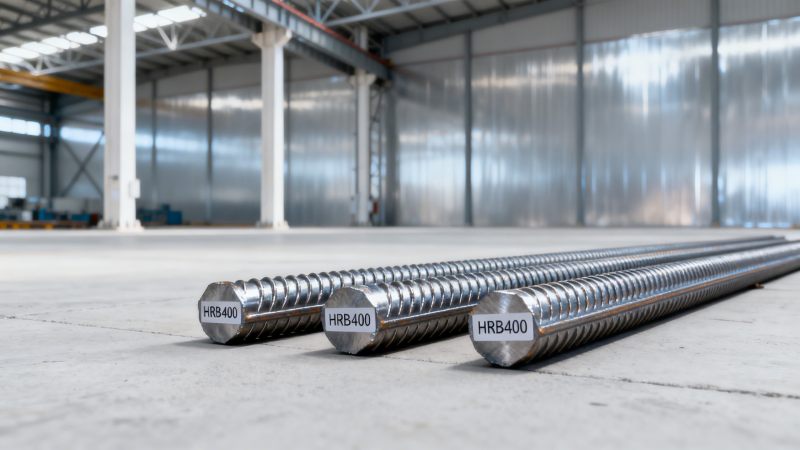
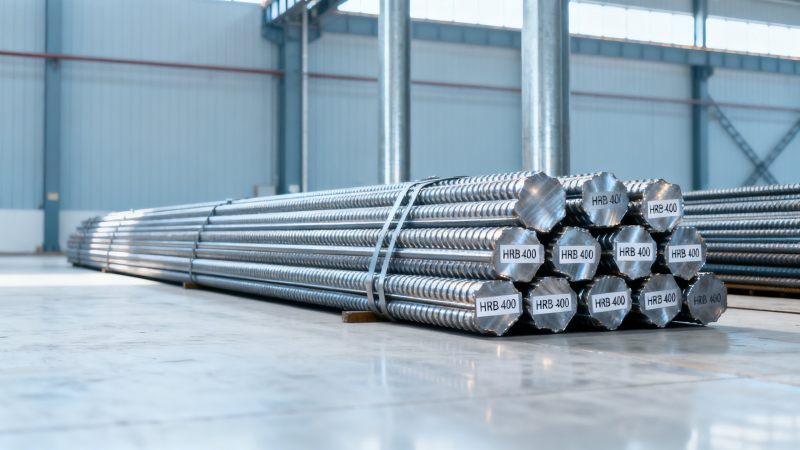
A supplier who only handles finished goods typically retains traceability data for 6–12 months—and often only at the shipment level. In contrast, a structural steel manufacturer like Hongteng Fengda maintains permanent digital archives tied to each HRB400 Rebar heat number, enabling instant retrieval of chemical composition, mechanical test curves, and surface inspection photos. This supports ISO 9001 internal audits and client site inspections with zero documentation lag.
For project managers and safety officers, traceability directly reduces liability exposure. When an incident occurs, having full chain-of-custody evidence—not just a certificate of conformity—can shorten root-cause analysis from weeks to hours. That speed translates into fewer stop-work orders and faster insurance claim resolution.
Supplier vs. Distributor: Key Differences in Traceability Coverage
Understanding the operational distinction between a steel rod supplier and a distributor is essential before committing to any sourcing channel. A supplier may refer to either a trading company or a manufacturer—but in practice, most “suppliers” act as intermediaries. A distributor, meanwhile, usually stocks multiple brands and prioritizes inventory turnover over process control.
This table reflects industry-standard practices—not hypothetical scenarios. For example, when supplying HRB400 Rebar to a Tier-1 contractor in Germany, Hongteng Fengda provides downloadable PDF+XML files containing full EN 10080-compliant test records, verified by TÜV Rheinland. Trading suppliers rarely offer XML integration, limiting ERP system compatibility.
How Certification Standards Shape Traceability Depth
Certification isn’t just about stamping a logo—it defines what traceability must include. Under ASTM A615, mill test reports require carbon equivalent (CEV), tensile strength, and bend radius verification. EN 10080 mandates microstructure analysis for certain diameters (≥25mm), while GB/T 1499.2 requires batch weight tolerance ±3% and surface defect mapping per 10m length. Only manufacturers with integrated QA labs and ERP-MES synchronization can deliver all layers consistently.
Procurement Decision Checklist: 5 Must-Verify Traceability Elements
Before signing a purchase order for structural steel products—including angle steel, channel steel, or HRB400 Rebar—verify these five traceability elements:
- Heat number linkage: Can every bundle be traced to its original billet melt? Is it physically stamped on the tag?
- Real-time access: Is the test report available online within 24 hours of rolling—not days after shipment?
- Standard alignment: Does the report reference exact clauses (e.g., ASTM A615 Section 8.2) or generic “complies with ASTM”?
- Audit readiness: Are records stored digitally with version control, timestamps, and user audit trails?
- Multi-standard support: Can one heat number generate separate reports for ASTM, EN, and GB requirements without retesting?
Hongteng Fengda embeds all five into its standard workflow. For instance, clients receive encrypted cloud links to their HRB400 Rebar batch data within 8 hours of final inspection—complete with ISO/IEC 17025-accredited lab signatures and multilingual metadata.
Why Partner Directly With a Manufacturer Like Hongteng Fengda?
Choosing a structural steel manufacturer over a supplier or distributor delivers measurable advantages beyond traceability: stable lead times (typically 25–35 days for standard HRB400 Rebar orders), OEM customization capability (e.g., custom bundling, laser marking, or pre-galvanizing), and direct engineering support for complex specs like B500C or 460B compliance.
We serve clients across North America, Europe, the Middle East, and Southeast Asia with consistent quality—backed by ISO 9001, ISO 14001, and OHSAS 18001 certifications. Our modern facilities enable simultaneous production of angle steel, channel steel, steel beams, cold-formed profiles, and customized components—all traceable to single-source billets.
Ready to validate traceability for your next project? Contact us for: heat-specific test reports, ASTM/EN/GB certification samples, delivery schedule confirmation, OEM packaging options, or third-party audit preparation support.
Please give us a message


Please enter what you want to find