Steel sheet price can vary widely depending on material grade, thickness, surface treatment, order volume, and global supply conditions. For project managers and engineering leaders, understanding these cost drivers is essential to controlling budgets and avoiding sourcing risks. This guide explains what influences final pricing and how to make smarter purchasing decisions for structural steel projects.
In steel-intensive projects, small differences in specification can create major budget changes across procurement, fabrication, transport, and installation. A sheet that looks similar on paper may cost 8% to 25% more once coating, tolerance, testing, and delivery terms are included.
For project leaders handling industrial buildings, equipment frames, enclosures, roofing systems, or structural assemblies, the key question is not only the quoted steel sheet price, but the final landed cost and the risk behind it. A lower unit price can still produce a higher project cost if quality variation, long lead times, or non-compliant material causes delays.
The Main Factors Behind Steel Sheet Price
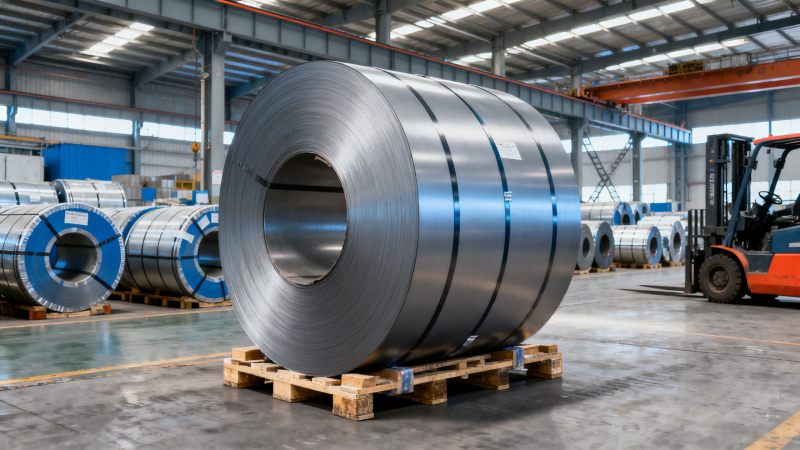
Steel sheet pricing is usually built from 5 core elements: base raw material cost, processing route, specification range, order quantity, and logistics. In export business, an additional 2 to 4 pricing layers often appear, including packaging, inspection, documentation, and destination port charges.
Material Grade and Mechanical Requirements
Grade is one of the first variables affecting steel sheet price. Common carbon steel grades used for structural and industrial purposes may include Q195, Q345B, S235JR, S355JR, A36, or higher-strength series. As yield strength, toughness, or temperature performance increases, cost generally rises as well.
For example, standard commercial grade sheet may suit basic forming or covering applications, while higher-strength grades are selected for structural supports, machine housings, and load-bearing components. If your project requires low-temperature impact performance, stricter chemistry control, or tighter mechanical consistency, the price gap can become noticeable across large tonnage orders.
Why this matters for project budgeting
A specification upgrade from a basic grade to a stronger grade can reduce section weight in some designs, but it may also increase processing complexity. Project managers should compare total system cost, not just the steel sheet price per ton. Sometimes a 10% higher material price can still reduce fabrication weight or improve structural efficiency.
Thickness, Width, and Tolerance Range
Thickness has a direct impact on price because it changes steel consumption, rolling availability, and yield loss. Thin-gauge material may require more careful production control, while thicker material increases tonnage and transport weight. In many supply chains, a sheet at 0.5 mm and one at 3.0 mm belong to very different cost structures.
Tolerance also matters. A requirement such as thickness tolerance of ±0.03 mm can be more demanding than standard commercial rolling tolerance, especially in applications involving visible surfaces, forming precision, or downstream automated fabrication. Tight width and flatness requirements may add processing cost even when the nominal size seems ordinary.
The table below shows how common purchasing factors influence steel sheet price from a practical project perspective.
The key takeaway is that steel sheet price is rarely determined by one factor alone. In most project purchases, the final number is the result of at least 3 combined variables, and changes in tolerance or surface finish can be as important as grade selection.
Surface Treatment and Coating Systems
If the steel sheet will be exposed to humidity, weather, chemicals, or visible architectural conditions, surface treatment becomes a major pricing component. Bare carbon steel may be sufficient for indoor fabrication parts, but roofing sheet, external cladding, or appliance shells often require zinc coating, primer, or top paint systems.
Common paint systems include PE, SMP, HDP, PVDF, PU, epoxy, and polyurethane combinations. The difference between a basic paint build and a higher-durability system can affect not only steel sheet price, but also service life, maintenance frequency, and replacement risk over 5 to 15 years.
Order Quantity and Supply Timing
Volume has a strong impact on export procurement. A mixed order of several grades, widths, and finishes often costs more per ton than a consolidated order built around 1 or 2 standard specifications. Mills and processors gain efficiency when they can run longer batches with fewer line adjustments.
Timing matters too. If you need material in 7 to 10 days during a tight market, spot pricing may rise. If you can lock in standard production with a 3 to 5 week planning window, pricing is often more stable. Project schedules should therefore align engineering release, purchasing approval, and shipment booking as early as possible.
How Project Managers Can Estimate Final Budget More Accurately
A useful budget approach is to separate visible price from full acquisition cost. The quotation line for steel sheet price is only one part of the total. Project managers should evaluate at least 6 checkpoints: grade, dimensions, coating, testing, packaging, and delivery term. This reduces the risk of comparing offers that are not truly equivalent.
Build a Practical RFQ Structure
A clear RFQ helps suppliers quote accurately and helps buyers compare fairly. At minimum, include 8 items: grade, thickness, width, surface condition, standard, quantity, destination, and required lead time. If the application involves forming, welding, or outdoor exposure, add bend requirement, coating system, and inspection expectations.
When these details are missing, the quoted steel sheet price may look attractive but later change through clarification. Revisions after order confirmation can affect production slot allocation, packing method, and freight planning.
Common RFQ mistakes
- Requesting “standard sheet” without naming ASTM, EN, JIS, or GB reference
- Giving nominal thickness but no tolerance or coating expectation
- Ignoring whether the material will be slit, cut, formed, or welded later
- Comparing EXW, FOB, and CIF offers as if they were the same delivered cost
Use Product Form to Match the Application
In many projects, coil-based sourcing can improve flexibility and material yield. For buyers evaluating cost-sensitive structural or industrial applications, Hot Rolled Coil Hrc can be a practical option when downstream cutting, forming, or fabrication will be done according to project drawings.
This product category is commonly available in carbon steel grades such as Q195, Q345B, Q390, Q420, Q460, SS400-SS540 series, S235JR-S355JR series, and A36-A992 series. Typical dimensions include thickness from 0.17 mm to 3.5 mm and width from 600 mm to 1250 mm, with tolerance control such as thickness ±0.03 mm.
For project teams handling roofing sheet, car shell parts, window-shades, appliance outer shells, or steel structure fabrication, the material choice should be linked to forming needs, strength target, and coating route. A lower-cost substrate may be suitable in one application but risky in another if exposure or load condition changes.
The following comparison can help engineering and procurement teams align specification with application and budget.
The comparison shows that the right product form is not only a technical decision. It directly affects steel sheet price efficiency through yield, production continuity, and quality consistency.
Include Logistics and Incoterms in the Budget
International buyers often underestimate the share of freight and handling in the final budget. Depending on destination, packaging method, and shipment timing, logistics can account for 5% to 20% of the landed cost. Thin-gauge sheet and coated products may also require more careful packing to avoid edge damage, moisture, or surface marks.
Incoterms also change budget responsibility. Under EXW or FOB, buyers manage more transport stages. Under CIF or similar delivered structures, more logistics cost is included in the supplier side. The lowest steel sheet price is not always the lowest delivered cost if inland trucking, export handling, and insurance are added later.
Check Lead Time Against Project Risk
A realistic lead time is often more valuable than an aggressive quote. In structural steel and industrial manufacturing projects, a delay of even 5 to 7 days can interrupt fabrication sequencing, crane booking, installation manpower, or downstream assembly. Cost control should therefore include schedule reliability.
Suppliers with stable capacity, export experience, and routine compliance to ASTM, EN, JIS, and GB standards are often better positioned to support predictable delivery. For global buyers, this reduces emergency procurement, partial shipment complications, and quality claim disputes.
How to Reduce Sourcing Risk Without Overpaying
The goal is not to chase the lowest steel sheet price in the market. The goal is to secure fit-for-purpose steel with stable quality and dependable delivery at a competitive total cost. This is especially important in structural steel procurement, where one mismatch can affect cutting plans, welding procedures, or installation sequence.
Evaluate Suppliers on 4 Practical Dimensions
- Manufacturing capability: Can the supplier handle your grade and dimensional range consistently?
- Quality control: Are inspection points defined for chemistry, mechanics, coating, and dimensional tolerance?
- Export execution: Can they manage packing, documents, and shipment coordination for your region?
- Communication speed: Can technical and commercial questions be answered within 24 to 48 hours?
These 4 dimensions often reveal more about real project value than a simple price comparison. A supplier that understands structural steel applications can also suggest practical substitutes or specification optimizations when the original RFQ creates cost pressure.
Ask the Right Technical Questions
Before finalizing a purchase, confirm whether the quoted sheet is hot rolled or cold rolled, whether the surface is bare or coated, whether the grade meets the required standard edition, and whether the material is suitable for forming or welding. This 4-question check can prevent many disputes after delivery.
If you are sourcing from China, it is also useful to confirm stock availability versus fresh production. Stock material may shorten delivery by 1 to 2 weeks, while made-to-order production may provide better consistency for larger repeat orders.
Work With a Supplier That Supports Long-Term Cost Control
For project managers responsible for recurring steel demand, supplier selection should support more than a single transaction. A capable structural steel manufacturer and exporter can help standardize specifications, consolidate SKUs, improve batch planning, and reduce sourcing volatility across multiple projects.
Hongteng Fengda supplies angle steel, channel steel, steel beams, cold formed steel profiles, and customized structural steel components for buyers in North America, Europe, the Middle East, and Southeast Asia. With modern facilities, strict quality control, and experience across major international standards, the company supports customers that need reliable quality, stable production capacity, and predictable lead times.
For teams comparing steel sheet price across several offers, the most effective strategy is to balance unit price with specification clarity, production reliability, and delivery execution. That is how procurement decisions become budget decisions that protect the full project timeline.
Frequently Asked Budget Questions
Is a larger order always cheaper?
Usually, larger orders improve price efficiency, but only when specifications are consolidated. A large order split into many grades, widths, and finishes may still carry higher processing cost than a smaller standardized batch.
Should I choose the cheapest coating option?
Only if the service environment allows it. In exterior or humid conditions, a cheaper coating may reduce upfront steel sheet price but increase repainting, replacement, or corrosion-related failure risk later.
Can higher grade reduce total cost?
In some structural and fabricated applications, yes. A stronger grade may allow lighter design, fewer reinforcements, or better performance. The decision should be based on engineering review, not material price alone.
Steel sheet price is shaped by specification, processing, quantity, logistics, and timing. For project managers and engineering leaders, the best purchasing decisions come from comparing total delivered value rather than headline unit cost. Clear RFQs, realistic lead times, and technically aligned supplier selection can protect both budget and schedule.
If you are planning a structural steel or industrial sourcing program and want more reliable cost control, Hongteng Fengda can support you with standard materials, customized solutions, and export-ready service. Contact us today to discuss specifications, request a tailored quotation, or learn more about the right steel solution for your next project.
Please give us a message


Please enter what you want to find