Understanding steel sheet price factors is crucial for cost-conscious procurement managers. As a leading structural steel manufacturer, we break down how thickness and grade significantly impact material costs while maintaining quality compliance with ASTM/EN standards. Discover key pricing considerations to optimize your steel purchasing decisions without compromising project specifications.
Key Factors Affecting Steel Sheet Prices
Steel sheet pricing involves complex calculations where material specifications directly influence final costs. For financial decision-makers, understanding these variables helps balance budget constraints with technical requirements.
The primary cost drivers include:
- Thickness variations (0.5mm to 50mm typically)
- Material grades (commercial vs. high-strength alloys)
- Surface treatments (galvanized, coated, or bare)
- Order volumes (spot purchases vs. contract pricing)
- International standards compliance (ASTM, EN, JIS)
Thickness Impact on Material Costs
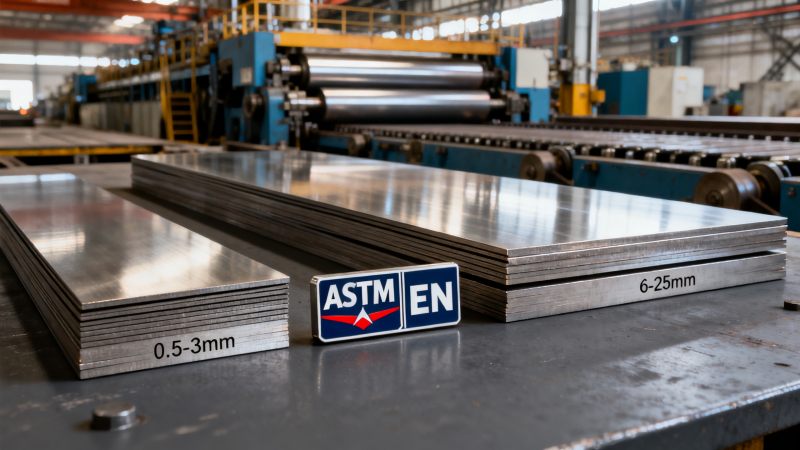
Steel sheet thickness directly correlates with raw material consumption and processing complexity. Thinner gauges (0.5-3mm) require precise rolling technology, while thicker plates (6-50mm) demand more energy during production.
For structural components like Galvanized Round Steel, thickness selection impacts both material costs and long-term durability. Our DC01-grade products with 570-820 MPa tensile strength demonstrate how proper specifications ensure cost efficiency across applications from power towers to automotive components.
Material Grade Selection Strategies
Steel grades represent another critical pricing variable. While standard carbon steel (ASTM A36) offers baseline affordability, specialized alloys (ASTM A572) command 15-30% premiums for enhanced properties.
Grade vs. Performance Tradeoffs
Consider these factors when evaluating grades:
- Yield strength requirements (250MPa to 690MPa+)
- Corrosion resistance needs (standard vs. weather-resistant)
- Weldability and formability characteristics
- Certification requirements (project-specific standards)
Optimizing Procurement Decisions
Strategic sourcing combines technical specifications with commercial considerations. These approaches help financial teams achieve better steel sheet pricing:
Frequently Asked Questions
How much does galvanization affect steel sheet prices?
Hot-dip galvanizing typically adds 15-25% to base material costs but provides 2-4x longer service life in corrosive environments. For projects like utility structures or marine applications, this represents strong lifecycle cost efficiency.
What's the price difference between domestic and imported steel sheets?
Sourcing from certified international mills like ours often delivers 10-18% cost advantages while maintaining ASTM/EN compliance. Our global logistics network ensures 4-6 week delivery to most destinations.
How can I verify quality without increasing costs?
Request mill test certificates (MTCs) for all shipments - we provide these at no additional charge. For critical applications, consider third-party inspection during production, which typically costs 0.5-1.2% of order value.
Partnering for Cost-Effective Solutions
As an experienced structural steel manufacturer, we help clients navigate thickness and grade selections to achieve optimal steel sheet pricing. Our technical team can:
- Analyze your project specifications for potential cost reductions
- Provide comparative quotes for alternative material options
- Offer volume-based pricing for long-term contracts
- Ensure compliance with international standards (ASTM/EN/JIS)
Contact our procurement specialists today to discuss your specific requirements and receive customized steel sheet pricing with guaranteed quality standards.
Please give us a message


Please enter what you want to find