When comparing roofing materials, homeowners often focus on cost first, but long-term durability matters just as much. Understanding steel roofing benefits can help you see why more buyers are choosing metal over traditional asphalt shingles. From lifespan and weather resistance to maintenance and overall value, this guide explores which roof option is built to last longer and deliver better performance over time.
Which roof lasts longer: steel roofing or asphalt shingles?
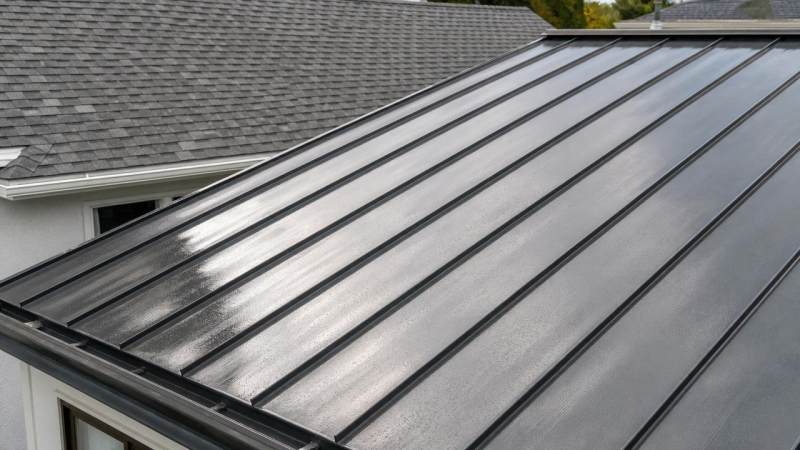
If your main question is simple, the short answer is this: steel roofing usually lasts much longer than asphalt shingles. In many homes, steel can perform for 40 to 70 years.
By comparison, asphalt shingles often last around 15 to 30 years, depending on shingle grade, climate, roof ventilation, installation quality, and ongoing maintenance. That means lifespan alone often favors steel.
For homeowners thinking beyond the purchase price, this difference matters. A cheaper roof that needs replacement sooner can cost more over time than a stronger system with a higher upfront investment.
That is why so many searches around steel roofing benefits are really about one issue: whether the added cost today leads to better value, less stress, and fewer replacements later.
What homeowners really want to know before choosing a roof
Most end consumers are not comparing roofing materials as engineers. They want practical answers. Will the roof protect the house well, hold up in bad weather, and avoid expensive repairs?
They also want to know whether the material fits their local climate, how much maintenance it needs, and whether it will make insurance, resale, or energy costs better or worse.
So while lifespan is the headline question, the real buying decision usually depends on several connected concerns: durability, storm performance, maintenance, comfort, appearance, and total ownership cost.
A useful comparison should therefore go beyond marketing claims and help you understand where steel clearly wins, where asphalt still makes sense, and how to judge what is right for your home.
Why steel roofing lasts longer in real-world conditions
Steel roofing performs well over decades because it is less vulnerable to many of the common failure points that shorten the life of asphalt shingles.
Asphalt shingles age through granule loss, heat exposure, ultraviolet breakdown, moisture intrusion, curling, cracking, and wind damage. Even when they start strong, they gradually weaken under repeated weather cycles.
Steel panels do not rely on the same layered composition. Properly coated steel resists cracking, warping, and many forms of surface deterioration better than asphalt under harsh sun, rain, snow, and temperature swings.
This does not mean steel roofs are indestructible. Poor installation, bad flashing details, trapped moisture, coastal corrosion, or low-quality coatings can still shorten service life. But in a well-designed system, steel normally holds up longer.
One reason is dimensional stability. Steel expands and contracts with temperature changes, but quality systems are engineered to manage movement without the same kind of surface breakdown common in aging shingles.
Another reason is lower moisture retention. Asphalt can trap water-related damage over time if drainage, underlayment, or ventilation is poor. Steel tends to shed water efficiently when the roof design is correct.
How weather affects each roofing option
Weather resistance is one of the most important steel roofing benefits for homeowners in storm-prone, snowy, hot, or wildfire-risk areas.
In high winds, metal roofing systems often outperform standard shingles because large panels or interlocking systems are designed for stronger attachment. Shingles can loosen, lift, or blow off in severe storms.
In heavy rain, steel roofs can drain quickly and reduce standing moisture risks. Correct installation is essential, but the material itself does not absorb water the way some traditional roofing assemblies may over time.
In snowy regions, steel helps snow slide off more easily. This can reduce snow load buildup, although snow guards may be needed for safety near walkways and entry areas.
In hot climates, reflective coatings on steel roofing can reduce heat absorption. Asphalt generally absorbs more heat, which may contribute to faster aging and higher attic temperatures in some homes.
In hail-prone areas, results depend on product type and gauge. Steel can dent under impact, but it often still remains functional. Asphalt may lose granules or suffer puncture and cracking from repeated hail events.
For wildfire zones, steel also has an advantage. It is a non-combustible material, making it appealing in regions where fire resistance is part of the buying decision.
What about maintenance and repair over time?
Maintenance is where many homeowners begin to see the practical value difference. Asphalt roofs often require more frequent inspection for missing shingles, lifted edges, cracked tabs, and granule wear.
Steel roofing generally demands less routine upkeep, especially when installed with quality fasteners, coatings, and flashing systems. Periodic inspections are still necessary, but major surface deterioration tends to happen more slowly.
Debris should still be cleared, gutters should remain open, and roof penetrations should be checked. No roofing material is maintenance-free. The difference is that steel often needs fewer age-related repairs during ownership.
Repair complexity can vary. Replacing a few shingles may seem simple, but matching older shingles in color and condition can be difficult. Steel panel repair may require more specialized labor, though less often.
For many homeowners, lower maintenance burden is one of the less discussed but highly valuable steel roofing benefits, especially for long-term ownership or second homes where regular monitoring is harder.
Does steel roofing save money in the long run?
Upfront, asphalt shingles are usually the lower-cost choice. That is the main reason they remain common in residential roofing. For budget-limited projects, that lower entry price can be decisive.
But long-term cost is a different calculation. If an asphalt roof needs replacement once or even twice during the period a steel roof is still performing, the total ownership picture changes significantly.
You should also include maintenance expenses, storm repair risk, possible insurance differences, energy savings from reflective finishes, and home resale appeal when comparing value.
In many cases, steel roofing costs more at installation but delivers better long-term economics, especially for homeowners planning to stay in the home for many years.
If you expect to move soon, asphalt may still make sense if the existing market does not strongly reward premium roofing. But for durability-focused buyers, steel often provides stronger lifetime value.
How roof structure influences durability and performance
Roofing materials do not perform alone. The strength of the supporting structure, purlins, framing members, and overall roof design also affects service life, stability, and weather resistance.
In residential and light structural applications, properly selected steel support components can improve load performance and installation consistency. This matters in areas with wind, snow, or demanding structural requirements.
For projects involving steel structure buildings or lightweight roofing frameworks, products such as C Channel Beam can be used in purlins and wall beams, or combined into lightweight roof trusses and brackets.
These C-shaped profiles are commonly available in materials such as Q195, Q235, Q345, A36, SS400, and S235JR, with galvanized surface options and processing services including bending, welding, punching, and cutting.
In practical terms, this means a roof system can be designed not only for surface protection but also for reliable support under real working conditions. Good roofing decisions should always consider both covering material and structural base.
When asphalt shingles may still be the better choice
Even with the strong case for steel roofing benefits, asphalt shingles are not automatically the wrong option. They still fit many homes, budgets, and neighborhood expectations.
If your immediate budget is limited, asphalt can provide acceptable protection at a lower initial cost. It is also widely available, familiar to most contractors, and offered in many colors and styles.
Some homeowners prefer the traditional look of shingles, especially in neighborhoods with strict visual norms or homeowners association expectations. In those cases, appearance may carry real weight.
Asphalt may also be more practical when the ownership timeline is short and the goal is cost control rather than maximum lifespan. A lower upfront expense can be reasonable if long-term replacement risk will be passed to a future owner.
The key is not to treat asphalt as low quality by default. Better-grade architectural shingles installed correctly can still perform well. The issue is that they usually do not match steel in lifespan.
How to decide which roof is right for your home
A smart roofing decision starts with your timeframe. Ask yourself how long you plan to stay in the home. If the answer is decades, steel becomes much more attractive.
Next, consider local weather. Homes exposed to high winds, snow, extreme heat, wildfire risk, or repeated storms often gain more from steel’s durability and resistance.
Then look at your maintenance tolerance. If you want a roof with fewer age-related issues and less frequent repair concern, steel is often the better fit.
You should also compare full installed quotes, not just material prices. Roofing system quality depends on underlayment, ventilation, flashing, fasteners, and workmanship, not material type alone.
Finally, ask contractors about expected lifespan in your exact climate, coating warranties, panel gauge, finish performance, and how repairs would be handled if damage occurs.
The more specific the quote and system design, the easier it becomes to compare real value rather than broad assumptions.
Final verdict: which option is built to last longer?
If your top priority is lifespan, steel roofing is the clear winner over asphalt shingles. In most cases, it lasts longer, resists severe weather better, and needs less maintenance across its service life.
Asphalt shingles still offer a lower initial cost and broad design familiarity, which can make them the right fit for some households. But they generally require replacement sooner and are more vulnerable to age-related wear.
For homeowners who want long-term performance, fewer replacement cycles, and stronger protection in demanding conditions, the most important steel roofing benefits are durability, resilience, and better lifetime value.
In short, if you are choosing based on how long the roof will last rather than just what it costs today, steel is usually the smarter investment.
Please give us a message


Please enter what you want to find