Many buyers assume steel rebar cost is only about the raw material, but real project pricing depends on far more. From grade, coating, and processing to logistics, standards, and supplier reliability, every factor affects value. Whether you are comparing a steel rebar supplier, checking carbon steel price trends, or sourcing from a steel rebar manufacturer, understanding the full cost picture helps reduce risk and improve purchasing decisions.
If you are evaluating rebar for a project, the short answer is this: the lowest material quote is rarely the lowest total cost. Rebar pricing is influenced by specification, compliance, fabrication, transport, delivery risk, and supplier performance. For procurement teams, engineers, project managers, and distributors, the most important question is not “What is the price per ton?” but “What will this purchase really cost the project in time, quality, risk, and downstream efficiency?”
Why steel rebar cost should be evaluated as total project cost
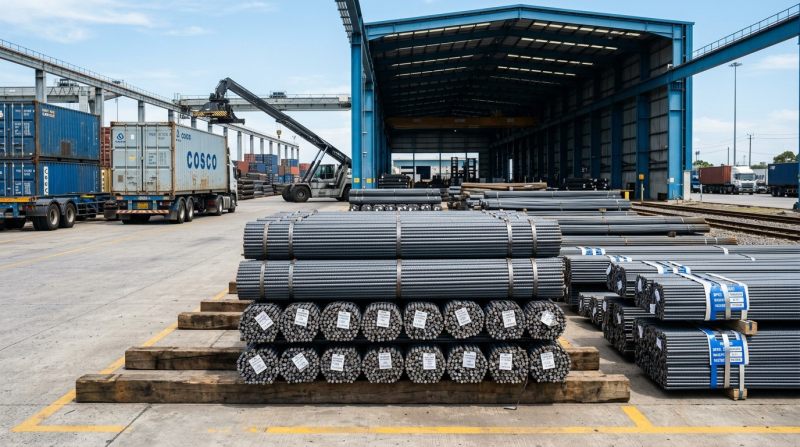
When buyers search for steel rebar cost, they are usually trying to do one of three things: estimate a budget, compare suppliers, or understand why quotes vary so much. In all three cases, focusing only on raw material price can lead to poor decisions.
Total project cost includes much more than the base steel value, such as:
- Steel grade and mechanical performance requirements
- Diameter, length tolerance, and weight deviation
- Surface treatment or corrosion protection
- Cutting, bending, bundling, or custom processing
- Testing documents and standards compliance
- Packing method and container utilization
- Freight, port charges, duty, and inland transportation
- Delivery reliability and the cost of delay
- Quality consistency and rejection risk
- After-sales communication and claim handling
A rebar quote that appears cheaper at first may become more expensive if it causes site waste, fails inspection, arrives late, or requires rework. This is why experienced buyers compare landed cost and usable value, not just factory price.
What actually drives the price difference between rebar suppliers
Price gaps between suppliers often come from differences in technical scope rather than simple margin changes. Buyers should check whether they are comparing equivalent offers.
1. Steel grade and standard
Rebar produced to different standards such as ASTM, EN, JIS, or GB may have different chemistry, yield strength, tensile performance, and inspection requirements. A quote for one grade cannot be fairly compared with another unless the standard, mechanical properties, and certification level are the same.
2. Billet and raw material source
Carbon steel price fluctuations affect rebar cost directly, but source quality also matters. Mills using stable raw material control generally offer better consistency in weight, weldability, and performance. That consistency often reduces hidden project costs.
3. Manufacturing process and quality control
Not every steel rebar manufacturer has the same production capability. Rolling precision, heat treatment control, testing frequency, and traceability systems all affect final quality. Better process control may add some cost, but it can lower failure risk significantly.
4. Coating and corrosion resistance
For coastal, underground, bridge, or high-humidity applications, coating options or higher corrosion resistance can change the price structure. This includes epoxy-coated, galvanized, or specialty rebar solutions where service life matters more than the initial purchase price.
5. Processing requirements
If the material must be cut to length, bent to drawings, labeled by zone, or packed for direct site use, the cost will increase. However, prefabrication can reduce labor, improve installation speed, and lower waste on-site.
6. Logistics and shipment structure
Ocean freight, destination port conditions, inland trucking, and loading efficiency often have a large effect on the final delivered cost. A supplier with stronger export experience may optimize container loading and paperwork better, which improves total value.
How buyers should compare rebar quotations correctly
For procurement staff and project evaluators, a good comparison method is more important than chasing the lowest number. Use a structured checklist before approving any supplier.
Compare these points line by line
- Material grade and applicable standard
- Nominal size range and dimensional tolerance
- Theoretical versus actual weight basis
- Testing documents, MTC, and third-party inspection availability
- Surface condition and coating scope
- Cutting, bending, or custom processing included or excluded
- Packing type and export seaworthy packaging
- Delivery term: EXW, FOB, CFR, or CIF
- Production lead time and shipment schedule
- Claim policy for shortages, damage, or nonconformity
This approach helps technical teams, quality control managers, and commercial decision-makers align around measurable factors. It also prevents common sourcing mistakes, such as approving a low quote that excludes inspection, shortens actual length, or uses lower-grade material.
Why the cheapest steel rebar cost can create the highest business risk
Low-price sourcing can create serious downstream problems, especially in construction and industrial projects where schedules and compliance matter.
Common hidden risks include:
- Underweight material that appears cheap per ton but delivers less usable steel
- Unstable mechanical properties that fail project or regulatory requirements
- Poor bendability or weldability, increasing fabrication issues
- Mixed heats or weak traceability, complicating quality records
- Shipment delays that disrupt installation schedules
- Inadequate packaging leading to damage or corrosion in transit
- Weak communication from the supplier during claims or specification changes
For enterprise buyers and project owners, these issues affect more than procurement cost. They influence construction progress, subcontractor efficiency, safety confidence, and final project profitability.
How specification and fabrication choices influence overall steel value
In many projects, buyers evaluate rebar together with other structural steel products because procurement decisions are made at the system level, not only item by item. In such cases, understanding section efficiency and fabrication compatibility can help control total steel consumption.
For example, in structural applications where load-bearing members require strong bending resistance and efficient cross-sectional design, some buyers also assess solutions such as H Shape Beam. This type of structural profile is available in grades including Q235, Q345B, Q460C, SS400, S275JR, S355JR, A572, and A992, with standards such as JIS G3101, EN10025, ASTM A36, ASTM A572, and ASTM A992. With flange thickness from 8-64mm, web thickness from 5-36.5mm, lengths from 1m-12m or as required, and advantages like strong bending resistance, simple construction, cost saving, and a reasonable strength-to-weight ratio, it shows how material selection should be tied to project performance rather than unit price alone.
The broader lesson is clear: when steel products are evaluated by installed value, fabrication efficiency, and structural suitability, buyers make better commercial decisions than when they focus only on tonnage price.
What a reliable steel rebar manufacturer should help you confirm before ordering
A dependable supplier should do more than send a quotation. They should help you reduce uncertainty before production starts.
Key questions to ask include:
- Can you supply according to the required ASTM, EN, JIS, or GB standard?
- Can you provide mill test certificates and traceability records?
- What is the acceptable weight tolerance and length tolerance?
- Can you support third-party inspection before shipment?
- What is the normal production lead time for my quantity and specification?
- How do you handle packing, rust prevention, and loading safety?
- Can you support mixed sizes or OEM processing requirements?
- What export markets do you regularly serve?
For global buyers, especially those sourcing from China, export execution matters almost as much as production. A supplier with stable capacity, international standards familiarity, and disciplined quality control can help lower sourcing risk and improve delivery confidence.
How to make a better purchasing decision when steel prices are changing
Steel markets move with raw material trends, energy costs, freight rates, exchange rates, and regional demand. That means timing matters, but strategy matters more.
Practical purchasing recommendations:
- Separate short-term market fluctuation from long-term project value
- Lock specifications before asking for final prices
- Request a clear cost breakdown when quote gaps are large
- Evaluate landed cost instead of FOB price alone
- Assess the supplier’s quality consistency and export reliability
- Consider framework purchasing for repeat demand
- Build a qualified supplier shortlist before urgent buying begins
For distributors, contractors, and project managers, this approach improves budget predictability. For decision-makers, it supports better control over quality risk, schedule impact, and total procurement efficiency.
Conclusion
Steel rebar cost is not just material price. It is the combined result of specification, standards, processing, logistics, quality assurance, and supplier reliability. Buyers who only compare price per ton often miss the real cost drivers that affect project success.
The best sourcing decision is usually the one that balances price, compliance, consistency, and delivery performance. If you want to reduce procurement risk, improve cost control, and choose a supplier with real long-term value, evaluate steel rebar the way experienced project teams do: as a total business decision, not just a raw material purchase.
Please give us a message


Please enter what you want to find