Roof design expectations are shifting toward smarter steel purlin decisions
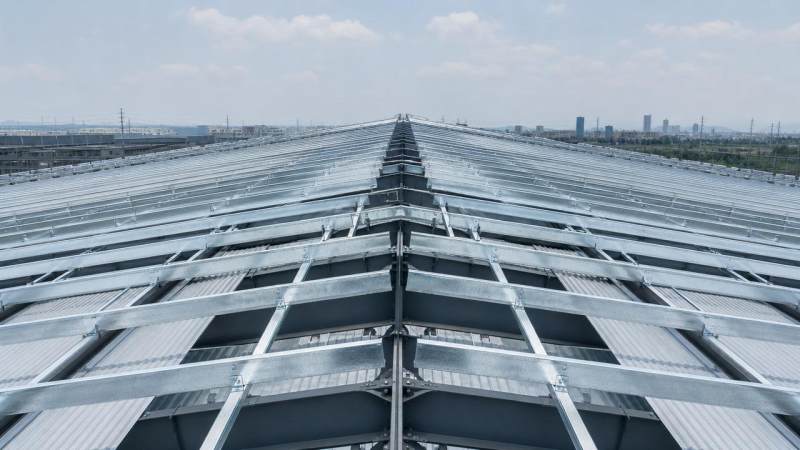
Choosing the right steel purlin is critical for meeting roof load demands, span requirements, and long-term structural performance.
For modern projects, selection is no longer based on section size alone.
Wind uplift, live load variation, insulation systems, and installation speed now shape every steel purlin decision.
The best result combines structural safety, standards compliance, corrosion durability, and stable supply.
A well-matched steel purlin can reduce secondary steel weight, improve roof stability, and lower lifecycle maintenance risk.
It also supports predictable fabrication, easier site coordination, and cleaner cost control across industrial and commercial construction.
Current project conditions are changing how steel purlin selection is evaluated
Roof systems today often carry more than cladding.
Solar panels, suspended equipment, maintenance access, and stricter wind design increase demand on every steel purlin line.
At the same time, owners expect longer service life in coastal, humid, and industrial environments.
This means steel purlin selection must consider section efficiency and protective performance together.
Another visible trend is the preference for optimized cold formed sections.
C and Z profiles remain common because they balance strength, weight, transport efficiency, and practical installation flexibility.
Yet using the same profile across different spans often creates hidden inefficiency.
A steel purlin that works for one bay spacing may underperform or become oversized in another layout.
The strongest market signals behind this shift
Load, span, and stability are now the core filters for every steel purlin
A practical steel purlin review begins with load categories, not catalog dimensions.
Dead load includes roofing sheets, insulation, fasteners, ceiling systems, and supported accessories.
Live load may include maintenance traffic, temporary construction loading, or regional snow accumulation.
Wind uplift often controls the design in low-slope or exposed roof conditions.
For longer spans, deflection limits can govern before ultimate strength is reached.
That is why a steel purlin must be checked for moment capacity, shear, web stability, and serviceability.
Key technical points that should not be overlooked
- Section shape affects bending efficiency and lapped continuity performance.
- Steel grade influences strength, but thickness tolerance also matters.
- Bridging and restraint conditions directly affect steel purlin stability.
- Connection details can limit the real capacity of the member.
- Local code combinations may increase governing roof load cases.
Many projects benefit from matching purlin design with compatible roof skins and coatings.
For roof panel applications, Color Coated Galvalume Steel Coil PPGL can support durable cladding solutions.
It is widely used for roofs, wall panels, ceilings, doors, appliances, and transport components.
Available thickness is 0.13mm to 0.8mm, with widths from 600mm to 1250mm.
Custom length, RAL colors, and PE, SMP, HDP, or PVDF paint systems improve design flexibility.
When paired correctly with a steel purlin framework, corrosion resistance and visual consistency both improve.
Why standards compliance and manufacturing consistency matter more than before
The performance of a steel purlin depends on more than nominal size.
Dimensional accuracy, yield strength consistency, hole positioning, and coating quality influence final behavior on site.
Projects serving global markets also face different specification frameworks.
ASTM, EN, JIS, and GB references may affect material acceptance, testing, and documentation.
A steel purlin supplier should provide traceable production control and clear technical communication.
This reduces redesign risk, site mismatch, and costly delays caused by nonconforming sections.
Where quality variation creates project risk
- Actual thickness below expectation can weaken steel purlin capacity.
- Inconsistent punching affects alignment and installation time.
- Poor coating protection shortens roof system service life.
- Unclear certificates may complicate approval in export projects.
Hongteng Fengda supports this need with structural steel manufacturing and export capability from China.
Its portfolio covers angle steel, channel steel, steel beams, cold formed profiles, and customized structural steel components.
Modern facilities and strict quality control help meet major international standards.
This matters when a steel purlin program must stay consistent across multiple shipments or project phases.
The business impact of steel purlin selection now reaches beyond engineering
A steel purlin choice influences fabrication planning, logistics, installation sequencing, and long-term maintenance budgeting.
Lighter but efficient profiles may reduce transport cost and crane demand.
However, over-optimization without sufficient stiffness can create serviceability complaints after handover.
Balanced selection supports both structural reliability and commercial predictability.
Practical effects across project stages
What deserves closer attention before finalizing a steel purlin schedule
- Confirm design loads, including future rooftop additions.
- Check span arrangement, support spacing, and lap strategy early.
- Review deflection limits, not only strength values.
- Align steel purlin material grade with required standards.
- Verify corrosion protection for project climate and service exposure.
- Ask for production tolerance control and test documentation.
- Evaluate supplier capacity for phased or repeat orders.
A simple decision path for better outcomes
- Define roof load combinations and service conditions.
- Compare candidate steel purlin sections by span efficiency.
- Review compliance documents and manufacturing precision.
- Coordinate cladding, fasteners, and corrosion system compatibility.
- Confirm delivery capability before freezing the schedule.
The next competitive advantage will come from integrated roof system thinking
The future of steel purlin selection is not just stronger sections.
It is better coordination between structure, cladding, coating, compliance, and supply reliability.
Projects that treat steel purlin design as part of a full roof system often gain measurable cost and schedule advantages.
That approach also improves durability in demanding export markets and high-exposure industrial sites.
For upcoming builds, review load assumptions, span logic, and supplier consistency before confirming the final steel purlin specification.
A disciplined decision now can prevent structural compromise, sourcing uncertainty, and avoidable lifecycle expense later.
Please give us a message


Please enter what you want to find