Choosing the right steel pipe supplier is not only about price—it is also about dependable lead times, verified quality checks, and reduced sourcing risk.
For construction, industrial, or manufacturing projects, delayed steel pipe or inconsistent material can disrupt schedules and raise total ownership costs.
This guide explains how to judge delivery capability, inspection discipline, standards compliance, and communication before confirming long-term steel sourcing.
Steel Pipe Supplier Decisions Start With Project Scenarios
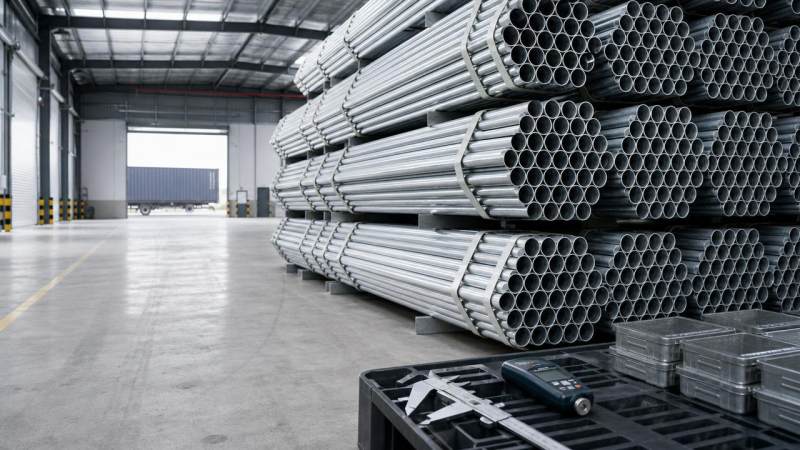
A reliable steel pipe supplier should be evaluated through the actual use scenario, not only through catalog size or quoted unit price.
Different projects require different tolerances, documentation, packaging, and shipment timing. The best offer is the one that fits project risk.
For structural works, dimensional accuracy and batch consistency may decide installation speed. For industrial systems, traceability and test records can be more important.
A professional steel pipe supplier should clarify these conditions before production, instead of solving mismatches after arrival.
When Lead Time Matters Most in Steel Pipe Sourcing
Lead time pressure changes by scenario. Emergency repair, phased construction, and seasonal installation all require different planning from a steel pipe supplier.
For standard sizes, available stock may shorten delivery. For customized dimensions, realistic production scheduling becomes more valuable than optimistic promises.
A capable steel pipe supplier should separate quotation lead time, production lead time, inspection time, and shipping time clearly.
This separation helps avoid hidden delays caused by coating, cutting, bundling, container booking, or third-party inspection appointments.
Construction Schedules Need Predictable Delivery Windows
Construction sites often depend on sequential installation. A late steel pipe supplier can delay welding, scaffolding, support frames, and mechanical fitting.
In this scenario, delivery reliability is usually more valuable than a small discount. Clear shipment milestones reduce site waiting time.
Ask whether the steel pipe supplier can provide production photos, packing lists, container loading updates, and estimated vessel schedules.
Industrial Projects Need Stable Batch Control
Industrial applications may require repeated purchases over several months. Batch variation can affect welding behavior, alignment, and maintenance planning.
A qualified steel pipe supplier should maintain stable raw material sources and controlled production records across repeat orders.
Consistent specification management reduces rework, especially when pipes connect with beams, channels, plates, or prefabricated steel components.
Quality Checks That Should Match the Use Scenario
Quality checks should not be generic. A responsible steel pipe supplier links inspection items to application risk, standard requirements, and buyer drawings.
Common checks include outer diameter, wall thickness, length, straightness, surface condition, end finish, marking, and packaging condition.
For higher-risk uses, chemical composition, mechanical properties, hydrostatic testing, ultrasonic testing, or coating thickness checks may be required.
The steel pipe supplier should define inspection frequency, acceptance tolerance, and documentation format before the purchase order is finalized.
- Dimensional checks confirm fit-up accuracy and installation compatibility.
- Surface checks identify rust, dents, scratches, oil stains, or coating defects.
- Material checks verify grade compliance and mechanical performance.
- Packing checks reduce handling damage during ocean or inland transport.
Inspection records should be readable and traceable. Mill test certificates, photos, and batch numbers help confirm material identity.
A dependable steel pipe supplier will not treat quality documents as an afterthought. Documentation is part of delivery performance.
Scenario Differences: Standard Pipe, Custom Pipe, and Mixed Steel Orders
A steel pipe supplier may perform well for standard stock but struggle with customized fabrication or mixed steel shipments.
The buying scenario should determine how deeply delivery capability and quality control are reviewed.
Hongteng Fengda supports global steel sourcing with structural steel products, including angle steel, channel steel, beams, cold formed profiles, and customized components.
For projects requiring wider material coordination, related coated steel options may also be considered.
One example is Color Coated Galvalume Steel Coil PPGL, used in roofing, wall panels, appliances, furniture, transportation, and signage applications.
It offers thickness from 0.13mm to 0.8mm, width from 600mm to 1250mm, customized length, and RAL color options.
Paint options include PE, SMP, HDP, and PVDF, with good corrosion resistance, heat reflectivity, weather resistance, and processing performance.
How Standards Compliance Reduces Sourcing Risk
International standards help align expectations between buyer and steel pipe supplier. They reduce ambiguity in grade, tolerance, testing, and documentation.
Common references include ASTM, EN, JIS, and GB. The correct standard depends on destination market and engineering requirement.
A professional steel pipe supplier should confirm whether standards apply to material grade, dimensions, testing method, or final inspection reports.
Do not assume that a grade name alone guarantees compliance. The full specification should include size, tolerance, finish, testing, and certificate needs.
If third-party inspection is required, it should be arranged before shipment. Late arrangements may extend lead time unexpectedly.
Communication Practices That Reveal Supplier Reliability
Communication quality often predicts delivery quality. A responsive steel pipe supplier should answer technical, commercial, and logistics questions consistently.
Good communication includes confirming drawings, explaining production constraints, reporting changes early, and providing practical alternatives when schedules shift.
A vague answer to lead time can create costly uncertainty. A precise answer should identify stock, production, inspection, and shipping assumptions.
- Request a written production schedule before deposit.
- Confirm whether material is in stock or newly produced.
- Ask for inspection photos before final payment.
- Clarify packaging, bundle weight, and shipping marks.
- Agree on document format before cargo leaves the factory.
These actions help verify whether the steel pipe supplier has an organized process or only a sales response.
Common Misjudgments in Steel Pipe Supplier Selection
A frequent mistake is comparing only the unit price. Low price can become expensive when delays, rework, or replacement shipments appear.
Another mistake is ignoring packaging. Pipes may be technically acceptable but damaged during transport because bundles, caps, or protection were inadequate.
Some orders also fail because drawings are not confirmed. A steel pipe supplier should review dimensions, cutting requirements, and tolerances carefully.
Documentation is another overlooked area. Missing certificates or unclear batch numbers can delay customs, installation approval, or project handover.
For repeat purchasing, supplier stability matters. Changing sources frequently may increase variation in finish, size, and delivery behavior.
Scenario-Based Checklist Before Placing an Order
Before confirming a steel pipe supplier, use a practical checklist based on project risk, not only a quotation comparison.
- Define the application, installation schedule, and required standard.
- Confirm size, grade, surface finish, tolerance, and end treatment.
- Separate production time from inspection and shipping time.
- Request sample documents or previous inspection report formats.
- Check whether the supplier can support repeat orders consistently.
- Review packing method, loading plan, and destination handling risks.
This process makes the steel pipe supplier comparison more objective. It also reduces uncertainty before money and time are committed.
Work With a Steel Pipe Supplier Focused on Reliability
The right steel pipe supplier combines stable production, transparent lead time, controlled inspection, and export experience.
Hongteng Fengda serves global construction, industrial, and manufacturing projects with reliable steel products and customized structural steel solutions.
With modern facilities and quality control aligned with ASTM, EN, JIS, and GB standards, the company supports efficient international sourcing.
For upcoming steel pipe, structural steel, or mixed steel requirements, prepare specifications, drawings, standards, and target delivery dates.
Then compare each steel pipe supplier by lead time evidence, inspection capability, document accuracy, and long-term service reliability.
Please give us a message


Please enter what you want to find