Steel Angle for Construction: How to Choose the Right Size
Choosing the right steel angle for construction is critical for structural integrity and project success. As a leading structural steel manufacturer, Hongteng Fengda provides high-quality angle steel solutions that meet international standards like ASTM and EN. This guide helps project managers select optimal sizes for durability, load-bearing capacity, and cost-efficiency in various construction applications.
Key Factors in Selecting Steel Angle Sizes
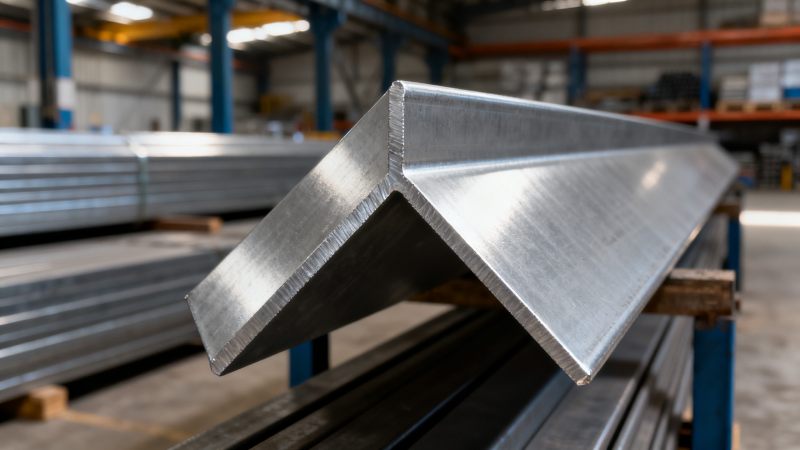
Project managers prioritize structural reliability and cost-effectiveness when selecting steel angles. The most critical considerations include load-bearing requirements, corrosion resistance, and compliance with regional construction codes. Steel angles must withstand both static and dynamic loads while maintaining long-term stability.
For framing applications, common sizes range from 2"x2"x1/4" to 6"x6"x1/2", with larger dimensions used for heavy industrial structures. The thickness of the angle legs directly impacts load capacity - we recommend consulting engineering specifications or using structural calculation software before finalizing dimensions.
Environmental factors significantly influence size selection. Coastal projects typically require thicker sections (minimum 3/8") with protective coatings, while indoor structures may use lighter gauges. Our ASTM-certified angles offer consistent performance across temperature variations from -20°F to 120°F.
Understanding Steel Angle Specifications
Steel angle specifications involve three key measurements: leg length, leg thickness, and overall length. Standard angle steel comes in equal leg (L-shape) and unequal leg (L-shape with different dimensions) configurations. The most common grades for construction include A36 (mild steel), A572 (high-strength low-alloy), and corrosion-resistant options like A588.
For projects requiring enhanced surface traction, consider S335JR Patterned steel plate as an alternative solution. This material combines structural strength with anti-skid properties, particularly suitable for walkways, platforms, and industrial flooring applications.
Metric vs imperial measurements create another consideration point. While North American projects typically use inches, international projects often specify millimeters. Our manufacturing capabilities accommodate both systems, with precise tolerances of ±1mm for metric orders and ±1/16" for imperial specifications.
Cost vs Performance Optimization
Balancing structural requirements with budget constraints requires careful analysis. Oversizing increases material costs by 15-30%, while undersizing risks structural failure. We recommend this decision matrix:
1. Calculate maximum expected loads (dead + live + environmental)
2. Add 20% safety margin for dynamic loads
3. Compare with angle steel load tables
4. Select the smallest size that meets all requirements
Bulk purchasing of standard sizes (3"x3"x1/4" through 6"x6"x1/2") typically offers 8-12% cost savings versus custom dimensions. For projects exceeding 50 tons, we provide volume discounts with maintained quality control through our ISO-certified production process.
International Standards Compliance
Global projects demand awareness of regional material standards. Our steel angles meet:
• ASTM A36/A572 (North America)
• EN 10025-2 (Europe)
• JIS G3101 (Japan/Asia)
• GB/T 706 (China)
Certification documentation includes mill test reports, material certificates, and third-party inspection reports when required. For critical infrastructure projects, we arrange independent quality verification through SGS, BV, or TUV inspectors.
Implementation Best Practices
Proper handling and installation maximize steel angle performance. Key recommendations include:
• Store angles on wooden pallets to prevent ground moisture contact
• Use nylon slings instead of steel chains for lifting to prevent edge damage
• Allow for thermal expansion gaps in long runs (3/8" per 20 feet)
• Specify matching grade fasteners to prevent galvanic corrosion
For seismic zones, consider increasing connection point reinforcement by 15-20% beyond standard calculations. Our technical team provides detailed connection design recommendations for high-risk environments.
Conclusion: Making the Right Selection
Selecting optimal steel angle sizes combines engineering requirements with practical project considerations. As a trusted manufacturer, Hongteng Fengda supports project managers through:
1. Technical consultation on load calculations
2. Standard and custom size availability
3. Quality assurance per international standards
4. Logistics support for timely delivery
Properly specified steel angles form the backbone of durable structures. Contact our engineering team for project-specific recommendations that balance safety, performance, and cost-efficiency.
Please give us a message


Please enter what you want to find