New Tariffs to Impact Steel Trade Dynamics
On May 21, 2026, South Africa announced increased tariffs on steel imports, a move designed to alleviate pressure on local steel producers. The policy shift is expected to raise price barriers for Chinese steel entering the South African market, potentially squeezing profit margins for distributors and increasing costs for end-use projects.
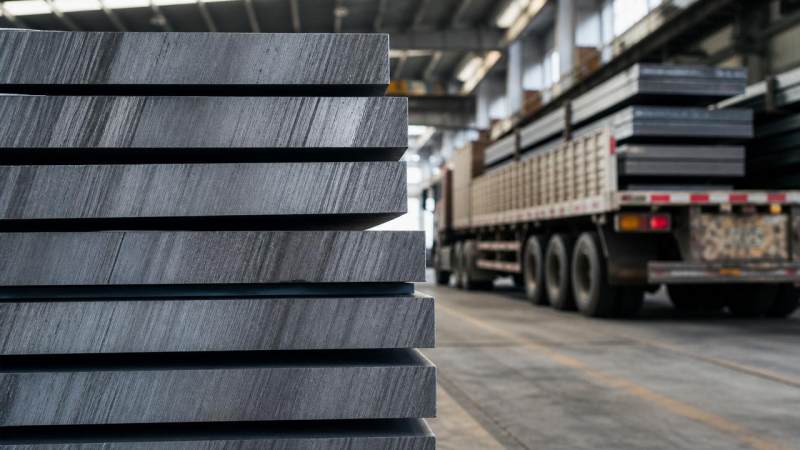
Key Policy Changes
The tariff adjustment specifically targets imported steel products, with Chinese steel exports to South Africa facing immediate price competitiveness challenges. The measure directly responds to operational difficulties experienced by domestic steel mills, though the exact percentage increase hasn't been disclosed in available information.
Supply Chain Implications
Distribution Networks Under Pressure
Local steel distributors may face compressed margins as import costs rise, potentially forcing price adjustments along the supply chain. The change comes at a time when construction and infrastructure projects are particularly sensitive to material cost fluctuations.
Project Cost Calculations
Engineering firms and contractors relying on imported steel will need to reassess project budgets. The tariff increase could delay procurement decisions as buyers evaluate alternative sourcing strategies.
Strategic Considerations for Importers
Long-Term Contract Planning
Southern African importers would benefit from securing extended supply agreements to mitigate short-term price volatility. Locking in favorable terms before full tariff implementation may provide cost certainty.
Alternative Sourcing Evaluation
Assessing qualified suppliers from non-Chinese origins becomes crucial. Importers should verify production capacity, quality certifications, and logistical capabilities of alternative sources.
Localized Support Assessment
Chinese suppliers' ability to provide in-region inventory management or value-added services could become a differentiating factor. Importers should examine which partners can maintain reliable supply despite the new trade barriers.
Industry Perspective
Analysis shows this policy reflects growing protectionist tendencies in industrial materials trade. While framed as temporary relief for domestic producers, the measure may signal longer-term trade policy directions. The steel industry should monitor whether similar protections emerge in neighboring markets, potentially reshaping regional supply patterns.
Moving Forward
This development represents more than a simple tariff adjustment—it tests the resilience of existing steel trade networks. Market participants should view it as both an immediate operational challenge and a case study in how emerging economies balance domestic industry support with global supply chain integration.
Information Sources
This analysis is based on verified reports of South Africa's May 2026 steel tariff announcement. While specific official documentation wasn't provided in source materials, such policy changes typically originate from government trade departments or revenue service publications. Continued monitoring of customs bulletins and ministerial statements is recommended for precise tariff schedules and implementation timelines.
Please give us a message


Please enter what you want to find