Selecting Tube Stainless Steel for High-Pressure Hydraulic Systems
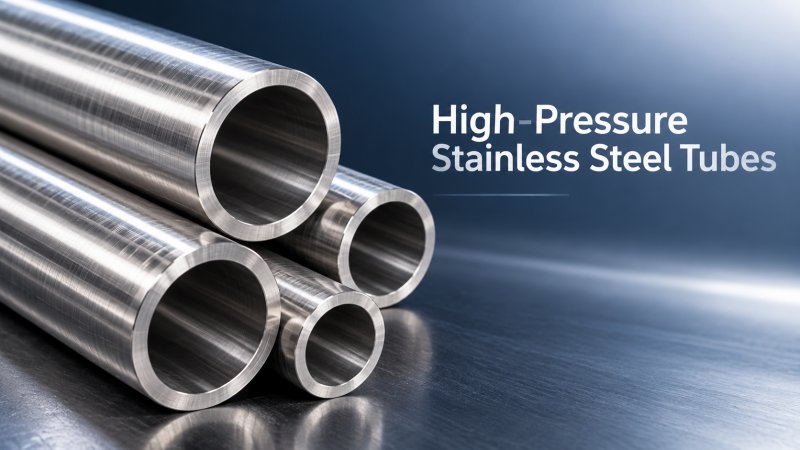
When sourcing materials for high-pressure hydraulic systems, selecting the right tube stainless steel is critical for ensuring safety, durability, and optimal performance.
As a procurement professional, you need reliable components that withstand extreme pressures without compromising on structural integrity or overall system safety.
At Hongteng Fengda, we supply premium, internationally certified stainless steel tubes designed to meet the rigorous demands of global industrial applications.
We help you minimize sourcing risks, control costs, and complete your projects efficiently with our dependable supply chain and consistent quality.
 High-pressure hydraulic systems operate under extreme conditions that demand exceptional material strength and flawless structural integrity from every single component.
Procurement teams must prioritize tubes that resist internal bursting, external impacts, and severe fatigue over prolonged and demanding operational cycles.
Failure in these critical components can lead to catastrophic system breakdowns, costly operational downtime, and severe safety hazards for personnel.
The internal fluid dynamics generate immense friction and heat, requiring materials that maintain their mechanical properties under continuous thermal stress.
Vibration and external mechanical shocks further complicate the operating environment, demanding tubes with superior impact resistance and structural rigidity.
Therefore, choosing the right tube stainless steel is not just about passing initial pressure tests, but ensuring long-term reliability.
Engineers and buyers must collaborate closely to define the exact operational parameters before initiating the material sourcing and procurement process.
Misjudging these core demands can result in premature failures, leading to expensive maintenance and potential liability issues for the company.
A thorough understanding of the specific application environment forms the solid foundation for making informed and cost-effective material selection decisions.
Fluid compatibility is another crucial factor, as certain hydraulic oils can react adversely with inferior metals, causing internal degradation over time.
The selected stainless steel must resist pitting and crevice corrosion, which are common failure modes in high-pressure fluid transmission environments.
Addressing these hidden variables early in the design phase prevents costly retrofits and ensures smooth system integration during the construction phase.
Ultimately, recognizing these extreme demands ensures that the selected stainless steel tubes will perform flawlessly throughout their entire service life.
Understanding the Core Demands of High-Pressure Hydraulic Systems
Key Material Grades for Tube Stainless Steel Selection
Selecting the appropriate alloy is the first major decision when procuring tube stainless steel for demanding and complex hydraulic applications. Grade 304 offers excellent general corrosion resistance and forms easily, making it ideal for standard hydraulic environments and moderate pressures. It provides a highly cost-effective solution for indoor applications where exposure to harsh chemicals or saline environments is strictly minimal. However, Grade 316 contains molybdenum, which significantly enhances its resistance to chlorides and harsh chemicals found in aggressive industrial settings. This specific addition makes 316 the preferred choice for marine applications, chemical processing plants, and offshore hydraulic drilling operations globally. For ultra-high-pressure scenarios, duplex stainless steels offer a unique combination of high strength and excellent resistance to stress corrosion. These advanced alloys allow for thinner wall designs while maintaining the necessary burst pressure ratings required by modern systems. Understanding your specific environmental exposure ensures you choose a material grade that maximizes lifespan while maintaining strict project budget constraints. Always consult with metallurgical experts or your supplier to verify that the chosen grade aligns perfectly with your fluid media. Making the right alloy choice prevents unexpected corrosion failures and ensures the hydraulic system operates safely under maximum design pressures. Low carbon variants like 304L and 316L are specifically designed to prevent sensitization and intergranular corrosion during the welding processes. These low-carbon grades are highly recommended for complex hydraulic manifolds that require extensive welding and subsequent heat treatment operations on site. Choosing the correct variant ensures that the welded joints maintain the same corrosion resistance and mechanical strength as the base metal.Evaluating Wall Thickness and Pressure Ratings
Wall thickness directly dictates the maximum operating pressure your hydraulic tubes can safely handle without experiencing structural deformation or failure. Thicker walls provide higher burst pressure ratings but add significant weight and reduce the internal flow diameter of the entire system. Buyers must carefully calculate the required thickness based on maximum working pressure, temperature fluctuations, and necessary safety factor margins effectively. The Barlow formula is commonly used to estimate the bursting pressure, helping engineers determine the minimum acceptable wall thickness required. However, real-world applications often require additional thickness to account for manufacturing tolerances, corrosion allowances, and unexpected pressure spikes during operation. Over-engineering the wall thickness leads to unnecessary material costs, increased structural weight, and difficulties during the bending and fabrication processes. Conversely, under-engineering poses severe safety risks, potentially resulting in catastrophic tube ruptures under peak operational loads and extreme environmental conditions. Collaborating with experienced manufacturers helps optimize this balance, ensuring you do not waste money on unnecessary material thickness or compromise safety. Precise dimensional control during manufacturing ensures that the actual wall thickness consistently meets the specified design requirements for every tube. Precision cold drawing processes are often utilized to achieve tight dimensional tolerances and superior surface finishes for high-pressure hydraulic tubes. This manufacturing method significantly enhances the yield strength of the stainless steel, allowing for safer operation under extreme internal pressures. Buyers should specifically request cold-drawn seamless tubes when the application demands the highest possible reliability and flawless internal surface quality.Ensuring Compliance with International Manufacturing Standards
Compliance with recognized international manufacturing standards is absolutely non-negotiable when sourcing structural and hydraulic components for critical global projects. Certifications like ASTM, EN, JIS, and GB guarantee that the manufactured tubes meet strict chemical composition and mechanical property requirements. ASTM A269 and A213 are widely specified for seamless and welded austenitic stainless steel tubes used in general and high-pressure services. These standards define the exact testing methods, including hydrostatic testing, non-destructive electric testing, and strict mechanical property evaluations for all tubes. Adhering to these strict guidelines ensures interoperability, safety, and reliability across different global markets and diverse industrial application environments worldwide. Always request mill test certificates to verify that the delivered batch matches the specified grades and dimensional tolerances perfectly. Reliable suppliers provide transparent documentation, giving procurement managers the confidence that every shipment meets rigorous quality and safety benchmarks. Non-compliant materials can cause entire projects to fail inspections, leading to massive financial losses and severe reputational damage for contractors. Therefore, verifying standard compliance must be a mandatory step in the vendor qualification and material acceptance procedures for all projects. Partnering with certified manufacturers eliminates the guesswork and ensures that every tube stainless steel product meets your exact specifications. Third-party inspection agencies can be hired to verify the manufacturing processes and conduct independent testing before the final shipment departure. This additional layer of quality assurance provides immense peace of mind for procurement managers handling high-value international steel purchases globally. It ensures that the supplied tube stainless steel perfectly aligns with the project specifications and international safety regulations for all buyers.Mitigating Sourcing Risks with Reliable Suppliers
Partnering with a reputable manufacturer significantly reduces supply chain disruptions, ensuring your projects stay on schedule and within allocated budgets. Look for established suppliers with modern manufacturing facilities, strict quality control protocols, and a proven track record of exporting globally. While exploring comprehensive material options, you might also encounter Galvanised Sheet Steel Suppliers who offer complementary structural products for your facility. A dedicated partner like Hongteng Fengda provides customized solutions, stable production capacity, and consistent lead times for all your needs. Evaluating a supplier's financial stability and production capacity helps prevent unexpected delays caused by raw material shortages or equipment failures. Clear communication channels and responsive technical support are equally important when resolving complex engineering queries or modifying order specifications quickly. Requesting samples for independent third-party testing before placing large bulk orders is a smart strategy to verify actual product quality. This proactive verification step protects your company from receiving substandard materials that could compromise the integrity of the hydraulic system. Long-term partnerships with reliable steel exporters foster mutual trust, leading to better pricing, priority production scheduling, and improved service. Ultimately, a dependable supply chain is just as critical as the material quality itself in ensuring overall project success and profitability. Diversifying your supplier base slightly can also protect your projects from regional disruptions, logistical bottlenecks, or unexpected geopolitical trade issues. However, maintaining a primary relationship with a highly capable manufacturer ensures consistency in quality and streamlined communication for standard orders. Hongteng Fengda combines the benefits of large-scale production capacity with the personalized attention required for customized structural steel components efficiently.Final Thoughts on Procurement Strategy
Selecting the right tube stainless steel requires a careful balance of material science, engineering calculations, and strategic supplier evaluation. By focusing on material grades, wall thickness, international standards, and supplier reliability, procurement professionals can secure optimal hydraulic components. This proactive approach minimizes operational risks, controls overall project costs, and ensures long-term durability for complex high-pressure hydraulic systems. Never compromise on quality or certifications when dealing with high-pressure applications, as the consequences of failure are simply too severe. Invest time in thoroughly vetting your suppliers and understanding the technical requirements to make the most informed purchasing decisions possible. Trust Hongteng Fengda to deliver premium, certified steel products that support your global construction and industrial manufacturing projects successfully. We are committed to providing the structural steel solutions you need to build safer, more efficient, and highly reliable industrial systems. Contact our expert team today to discuss your specific requirements and discover how we can add value to your next project.Previous page: Already the first one
Next page: Already the last one
Please give us a message


Please enter what you want to find