When selecting a seamless stainless steel tube or welded tube for high pressure applications, buyers must balance strength, corrosion resistance, cost, and compliance. As a stainless steel tube manufacturer and steel tube supplier serving global industrial projects, Hongteng Fengda helps engineers, purchasers, and project teams compare performance, sourcing risks, and application suitability before they buy stainless steel pipe with confidence.
How to Compare Seamless Stainless Steel Tube and Welded Tube for High Pressure Use
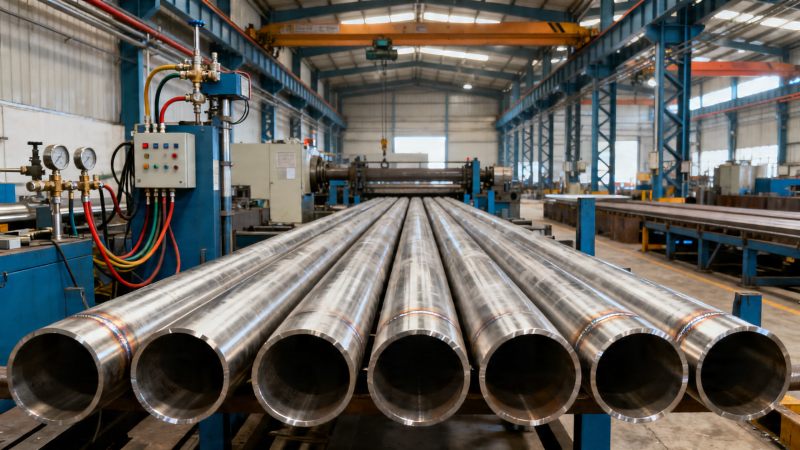
For high pressure service, the first question is not simply which tube is stronger. The real question is how pressure level, temperature range, corrosion environment, fabrication method, and inspection requirements interact in a specific project. In steel industry purchasing, a wrong choice can increase fabrication cost, delay installation by 2–4 weeks, or create avoidable inspection failures during commissioning.
A seamless stainless steel tube is produced without a welded seam, so many engineers prefer it for critical pressure lines, heat exchangers, hydraulic systems, and process piping. A welded stainless steel tube is formed from strip or plate and joined longitudinally, then finished to meet dimensional and surface requirements. Modern welded tube production can achieve reliable consistency, but suitability depends on specification, welding quality, and test scope.
In procurement terms, seamless tube is often selected where the design margin is tight, the medium is hazardous, or cyclic pressure loading is severe. Welded tube is commonly considered when pressure is moderate, quantities are large, wall thickness control is important, and total installed cost matters. Buyers comparing offers should evaluate at least 5 points: material grade, wall thickness tolerance, NDT scope, applicable standard, and mill documentation.
Hongteng Fengda supports global industrial and construction buyers with practical sourcing judgment, not just product quotations. Because many projects involve mixed steel packages, project teams often need coordinated supply across stainless tube and structural steel items. That reduces handover risk, simplifies vendor communication, and helps purchasing teams control both lead time and compliance.
Quick technical differences that affect pressure performance
The table below highlights the main differences that usually matter during engineering review, budgeting, and supplier comparison for high pressure stainless steel tube selection.
This comparison does not mean seamless is always the correct answer. It means the decision should follow service conditions and specification hierarchy. In many tenders, the approved choice depends on whether the end user prioritizes risk reduction, fabrication convenience, or budget discipline across a 3-stage review process involving engineering, QA, and commercial approval.
Which Applications Usually Favor Seamless Tube and Which Can Use Welded Tube
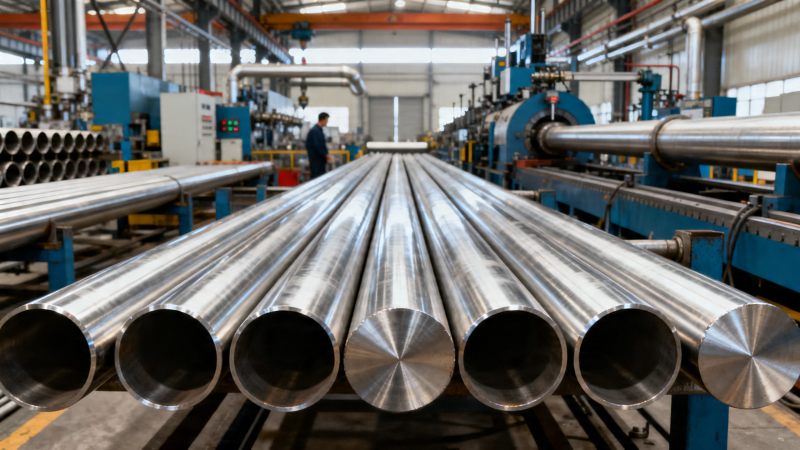
Application judgment is where many buyers either save money wisely or create long-term operating problems. High pressure does not have one universal threshold because different standards, diameters, temperatures, and media change the acceptance criteria. In practice, project teams often divide applications into 3 groups: critical process duty, general industrial duty, and structural or auxiliary duty.
Seamless stainless steel tube is usually favored in steam lines, instrumentation impulse lines, chemical injection systems, hydraulic circuits, and pressure service where leakage consequences are severe. These systems may operate continuously for 8–24 hours per day, experience pressure cycling, or face elevated temperatures that increase concern around metallurgical consistency and defect propagation.
Welded stainless steel tube can be practical in water treatment skids, food processing lines, low-to-medium pressure transport, architectural-industrial combinations, and fabricated assemblies where code acceptance is clear and weld inspection is controlled. In these cases, cost control across medium and large batch purchasing is often a strong driver, especially when dozens or hundreds of lengths are required.
Many projects also include structural supports, frames, purlins, and bracket systems around the tube installation itself. In such combined supply programs, buyers may source pressure tubing together with structural steel to simplify package management. For support systems in construction and industrial fabrication, Channel In Steel can be integrated where designers need high strength, anti-corrosion options, and standard compliance across AISI, ASTM, DIN, JIS, BS, and GB/T references.
Typical application matching logic
The table below helps procurement and engineering teams align tube type with service scenario before requesting final quotations or samples.
A practical sourcing strategy is to avoid over-specifying all lines as seamless. That may increase cost without improving system reliability where service conditions are moderate. Instead, divide lines by risk category and assign the tube type accordingly. This approach helps finance approvers, project managers, and QA staff work from one consistent decision matrix.
Where structural steel package coordination adds value
When pressure systems need support and installation framing
Industrial projects rarely purchase tubes alone. They often require support steel, wall beams, brackets, mechanical columns, or lightweight roof framing for enclosed process areas. For these parts, structural profiles with thicknesses from 1.5mm to 25mm, lengths of 6–12m, and height ranges of 80–160mm are common planning ranges depending on the project layout.
Hongteng Fengda supplies standard and customized structural steel components for such integrated needs. A coordinated supply scope reduces communication gaps between tube procurement and site steel preparation. It also helps buyers align tolerances, coating choices such as hot-dip galvanized or hot-blown galvanized finishes, and delivery sequencing before installation begins.
What Technical Performance and Standards Should Buyers Check First
For any stainless steel tube used in high pressure service, technical review should begin with the code or standard named in the project documents. Material grade alone is not enough. Engineers and quality teams should check at least 6 items: manufacturing standard, steel grade, size and wall, pressure design basis, inspection method, and certificate requirements. Missing even one of these can cause rejection at the submittal stage.
In global projects, commonly referenced standards may include ASTM, EN, JIS, or GB depending on destination market and end user preference. The purchasing team should verify whether the project needs tube, pipe, or instrumentation tubing because these categories are not interchangeable in all applications. Tolerance expectations, testing scope, and end finishing details can differ significantly.
High pressure service also demands close attention to corrosion mechanism. Chloride exposure, condensate, chemical media, and cleaning agents can change grade selection from 304 to 316 or require duplex grades in more aggressive conditions. The right selection is not only about initial pressure resistance but also about maintaining integrity after months or years of service.
From a project control perspective, documentation should be reviewed in 3 layers: manufacturing data, inspection data, and shipping traceability. That means the supplier should clearly identify heat number relation, test records, and packing lists so receiving teams can confirm what was ordered, tested, and delivered.
Technical checkpoints before approval
- Confirm whether the pressure design requires seamless construction by code, owner specification, or risk policy rather than by purchasing habit.
- Check OD, wall thickness, and tolerance because pressure capacity and fitting compatibility both depend on dimensional accuracy.
- Review heat treatment condition and NDT expectations, especially for welded tube where seam quality verification is essential.
- Match grade selection to process medium, operating temperature, and cleaning regime instead of choosing solely by unit price.
- Verify certificate type, marking method, and traceability requirements before mass production starts.
This review method is useful not only for technical assessors but also for distributors and procurement staff who need a clear checklist for supplier comparison. It reduces the risk of mixed quotations where one supplier prices a fully tested seamless tube and another quotes a basic welded tube under a different assumption.
How to Balance Cost, Lead Time, and Sourcing Risk in B2B Procurement
Price is important, but total procurement value depends on more than the ex-works rate per ton or per meter. A lower-cost tube may become expensive if it causes delayed approvals, extra testing, repacking, or onsite replacement. In international sourcing, realistic planning should include 4 cost layers: material price, inspection cost, logistics cost, and project delay exposure.
Seamless stainless steel tube often carries a higher initial cost because of its manufacturing route, especially for heavier walls, special grades, or smaller quantity orders. Welded tube may reduce unit cost and improve availability in some dimensions. However, if the project later requires additional NDT, owner waivers, or replacement of non-approved material, the apparent savings can disappear quickly.
Lead time is another decision factor. Typical production and export planning can range from 2–6 weeks depending on size, grade, order volume, and destination. Mixed supply from one experienced exporter can improve coordination, especially when the package includes both stainless tube and supporting structural steel products for industrial or construction use.
Hongteng Fengda serves buyers across North America, Europe, the Middle East, and Southeast Asia with stable production capacity, quality control, and export support. For procurement teams, this matters because international purchasing risk often comes from fragmented communication, unclear standards, or unreliable delivery sequencing rather than from the steel product alone.
A practical procurement evaluation table
Use the following matrix when comparing supplier offers for stainless steel tube and related steel package needs.
For financial approvers, this table is often more useful than a simple price comparison sheet. It shows why a complete and compliant offer may represent lower total project cost even when the unit price is not the lowest on the bid list.
Common sourcing mistakes to avoid
- Assuming all stainless steel tube with the same grade has the same pressure suitability.
- Approving welded tube before confirming whether the end user specification allows it.
- Ignoring documentation until cargo is ready, which can delay shipment by several days or more.
- Separating tube and structural steel procurement without checking installation interface requirements.
FAQ: What Buyers and Engineers Usually Ask Before They Buy Stainless Steel Pipe
Is seamless stainless steel tube always better for high pressure?
Not always. It is often preferred for critical high pressure duty, but “better” depends on code, pressure class, temperature, corrosion, and inspection requirements. If the specification allows welded tube and the service is moderate, a properly manufactured and tested welded tube may be the more economical option. The correct choice should come from service analysis, not assumption.
What should procurement teams request in the inquiry stage?
A strong inquiry should include 6 core items: standard, grade, OD, wall thickness, length, and testing or documentation requirements. It should also mention destination market, end use, and whether the project needs sample approval or third-party inspection. This reduces back-and-forth communication and helps suppliers quote on the same basis.
How long does delivery usually take?
Typical lead times vary by size range, grade, order quantity, and export route, but many industrial steel orders fall within a 2–6 week production window before shipping. Special grades, added testing, or combined package supply may need more planning. Early confirmation of certificates, marking, and packing details often prevents the most common delivery delays.
Can one supplier support both pressure tube needs and structural steel support systems?
Yes, and that can improve coordination. Hongteng Fengda specializes in structural steel manufacturing and export, including angle steel, channel steel, steel beams, cold formed steel profiles, and customized components. For projects that require support frames, purlins, wall beams, brackets, and tube-related installation steel, combined sourcing can improve schedule control and reduce procurement complexity.
Why Work With Hongteng Fengda for Project-Based Steel Sourcing
For industrial buyers, the challenge is rarely just finding a steel product. The challenge is securing the right specification, at the right time, with reliable quality records and coordinated export execution. Hongteng Fengda supports this need with modern manufacturing facilities, strict quality control, and experience serving global construction, industrial, and manufacturing projects.
Our strength is practical project support. We help customers compare seamless stainless steel tube and welded tube options, align structural steel components with installation needs, and reduce sourcing risk across mixed packages. Whether the requirement is a standard specification or an OEM-based solution, our team works around real project constraints such as compliance, cost control, and dependable lead times.
If your project also needs structural supports, galvanized sections, or custom fabricated profiles, we can coordinate with products such as Channel In Steel for construction, wall beam, lightweight roof, bracket, mechanical column, and related uses. Common options include Q195, Q235, Q345B, Duplex, and 201/202/304/316 with lengths of 6–12m and standards such as ASTM, JIS, and GB/T.
Contact us to discuss tube type selection, pressure service suitability, grade confirmation, structural steel coordination, delivery schedule, sample support, certification requirements, and quotation planning. If you share your drawing, standard, size range, quantity, and destination market, we can help you build a more accurate sourcing plan before order placement.
Please give us a message


Please enter what you want to find