SS pipe price depends on far more than diameter and grade. From raw material trends and processing methods to surface finish, standards, and supplier capability, every factor can change your total cost. Whether you are comparing a stainless steel pipe manufacturer, a stainless steel pipe supplier, or a stainless steel pipe exporter, understanding what drives ss pipe price helps you buy smarter, reduce risk, and match product quality to project needs.
What really changes ss pipe price in steel sourcing?
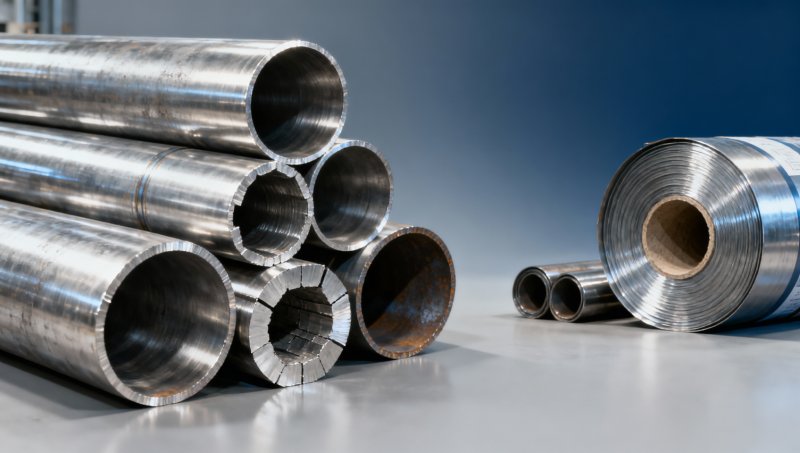
For buyers in construction, industrial fabrication, mechanical systems, and distribution, ss pipe price is rarely a single-number issue. The quoted figure often reflects a package of variables: stainless steel grade, wall thickness, welding or seamless process, surface finish, tolerance control, inspection scope, packaging method, and delivery terms. In practical procurement, even a 5% to 15% difference between two offers may come from specification detail rather than pure supplier margin.
Raw material cost is usually the first driver. Stainless steel pipe prices move with nickel, chromium, molybdenum, and scrap market trends, especially for grades such as 304, 316, and other alloy-dependent options. When the raw material market changes within 2 to 4 weeks, export quotations can adjust quickly. That is why technical evaluators and purchasing teams should confirm the quotation validity period before comparing offers from different regions.
Processing route is the second major factor. Welded pipe and seamless pipe differ in manufacturing complexity, material yield, and inspection cost. A polished decorative tube, an industrial pickled pipe, and a pressure-service pipe may all be called stainless steel pipe, but their price structure is not the same. If the use environment involves pressure, corrosion, or hygienic requirements, the lower initial unit price may not mean lower project cost.
For project managers and business decision-makers, the right question is not only “What is the current ss pipe price?” but also “What specification, quality level, and delivery condition are included in that number?” A reliable supplier helps reduce hidden costs in rework, delays, claim handling, and inconsistent batch quality. This matters even more when steel products are sourced together across multiple categories.
The 5 most common cost drivers buyers should verify
- Material grade and alloy composition, especially whether the pipe is 201, 304, 316, or another standard grade with different corrosion resistance and raw material exposure.
- Outer diameter, wall thickness, and length tolerance, because tighter dimensional control increases production and inspection workload.
- Manufacturing route such as welded or seamless, as well as heat treatment, straightening, hydrostatic testing, and non-destructive examination.
- Surface requirement, including mill finish, pickled, polished, or special passivation, which changes labor hours and finishing cost.
- Export service scope, such as bundled packaging, marking, MTC documentation, third-party inspection, and delivery schedule within 7–15 days or longer production windows.
When these five points are clear, buyers can compare ss pipe price on a like-for-like basis. Without that, a quotation comparison becomes misleading and may create downstream quality or delivery problems.
How do grade, process, and finish affect stainless steel pipe cost?
Different grades change stainless steel pipe cost because alloy content directly affects raw material expense and service performance. In many general-purpose applications, 304 is selected for its balance between corrosion resistance and cost. In chloride-rich, marine, or chemical environments, 316 or higher-alloy options may be evaluated. For some low-corrosion indoor uses, buyers may also compare lower-cost alternatives, but the trade-off must be measured against life-cycle performance and maintenance frequency.
Manufacturing process changes the cost structure in a more technical way. Seamless pipe usually carries higher production cost due to billet piercing, rolling, heat treatment, and lower material yield in some sizes. Welded pipe can be more cost-efficient in many commercial and structural applications, especially where standards, pressure limits, and service conditions allow it. However, weld quality, seam finishing, and testing scope still matter. A low quotation without clear process details may shift risk to the user.
Surface finish is another frequent source of confusion. A BA, 2B, pickled, or mechanically polished finish does not only change appearance. It can affect cleanability, corrosion behavior in certain environments, and suitability for decorative versus industrial use. Polishing from a standard finish to a higher-brightness surface often adds labor, consumables, and inspection time. In project budgeting, this difference should be separated from the base pipe price rather than treated as a minor accessory charge.
Below is a practical comparison table that helps technical teams, QC personnel, and sourcing managers align product choice with application and budget before asking for final ss pipe price quotes.
The table shows why two stainless steel pipe offers can differ substantially even before freight is added. For procurement teams, separating base material, process cost, and quality assurance cost is one of the simplest ways to make quotations transparent and defensible.
A useful rule for evaluation
If a project has a service life expectation of 5–10 years in moderate conditions, the grade and finish choice may be optimized around budget. If the system must operate in aggressive environments, with maintenance shutdowns being expensive, a higher initial stainless steel pipe cost may be commercially justified. This is where technical assessment and business assessment should work together instead of treating price as a standalone number.
What hidden costs do buyers often miss when comparing ss pipe price?
The most common mistake in stainless steel pipe sourcing is comparing only the ex-works or FOB unit price. In cross-border purchases, the total cost may also include export packing, loading method, port charges, customs documentation, third-party inspection, inland transport, ocean freight, import duty, and project-side unloading. If one supplier includes testing and seaworthy packing while another excludes them, the cheaper quote may not stay cheaper after all items are added.
Another hidden cost is non-conformance. If pipe dimensions vary outside agreed tolerance, installers may lose hours in cutting, fitting, or rework. If material traceability is incomplete, quality teams may delay acceptance. If documents such as MTC, heat number identification, or standard references are missing, customs or end-user approval can slow down by several days to 2 weeks. For project schedules, these indirect costs often exceed a small difference in unit price.
Global buyers often source more than one steel product category in the same project. For example, marine or foundation works may involve structural materials beyond stainless steel pipe. In such cases, a supplier group with broader steel capability can improve scheduling and communication efficiency. During mid-project planning, some buyers also evaluate Steel Sheet Piles for cofferdams and deep-water construction, especially when they need grades such as S275, S355, S390, S430, SY295, SY390, or ASTM A690, with standards including EN10248, EN10249, JIS5528, JIS5523, and ASTM.
That type of product selection matters because cost is not only about the unit rate. For temporary works, buyers may value reusable steel solutions, lengths up to over 80 m in single sections where applicable, and interlock choices such as Larssen locks, cold rolled interlock, or hot rolled interlock. When a manufacturer can coordinate these requirements under ISO9001, ISO14001, ISO18001, and CE FPC-related production control systems, project risk becomes easier to manage across multiple steel items.
A 4-point hidden-cost checklist
- Check whether the quote includes inspection scope, marking, bundled packaging, and full export documentation.
- Confirm production lead time, such as stock-based dispatch in 7–15 days or made-to-order production in 3–6 weeks.
- Review tolerance and standard compliance against actual end use, not only against a generic material description.
- Estimate field risk: rework, installation delay, corrosion failure, or claim handling can outweigh small upfront savings.
This checklist helps users, QC teams, project managers, and procurement staff compare total landed cost rather than headline ss pipe price alone.
How should procurement teams evaluate supplier quotes and compliance?
A strong evaluation process combines commercial review, technical review, and supply reliability review. For procurement professionals, the ideal quotation is not the shortest one but the clearest one. It should state material grade, size range, standard, process route, finish, test method, quantity basis, tolerance reference, packing method, trade term, and validity period. When these details are missing, price comparison becomes risky and difficult to defend internally.
Technical evaluators and quality managers should verify whether the offered product aligns with ASTM, EN, JIS, or GB expectations relevant to the project. Even when the same nominal grade is quoted, execution details can differ. Documentation consistency matters: heat traceability, MTC format, dimensional inspection records, and third-party verification may all be mandatory in more controlled sectors. A supplier that understands these requirements can help avoid approval delays and non-conformance disputes.
For international buyers, manufacturing capability also affects ss pipe price stability. Suppliers with modern processing facilities, stricter quality control, and organized export coordination may not always present the lowest first quote, but they often reduce risk across 3 key areas: batch consistency, lead time predictability, and communication efficiency. That is highly relevant for importers, distributors, and project contractors operating on milestone-based schedules.
The table below can be used as a practical procurement scorecard when comparing a stainless steel pipe manufacturer, a stainless steel pipe supplier, or a stainless steel pipe exporter.
A structured scorecard is especially useful when procurement teams must justify supplier selection to finance leaders, technical departments, or end clients. It turns supplier comparison from opinion into a documented process.
Why this matters in export-oriented steel procurement
Hongteng Fengda supports global buyers as a structural steel manufacturer and exporter from China, serving projects across North America, Europe, the Middle East, and Southeast Asia. For customers managing multiple steel categories, this matters because sourcing reliability depends not only on one product line but on overall production discipline, quality control, and dependable lead times. Stable supply reduces risk in planning, budgeting, and project execution.
Which buying strategy helps control stainless steel pipe cost without lowering quality?
The most effective strategy is specification optimization before quotation, not negotiation after confusion. Buyers should first define service condition, expected life, corrosion exposure, pressure requirement, installation method, and compliance level. Once those 5 to 6 decision points are fixed, suppliers can quote more accurately. This reduces the common cycle of repeated revisions, mixed assumptions, and delayed approval.
Second, separate “must-have” requirements from “nice-to-have” requirements. For example, if a project needs standard industrial performance but not decorative appearance, a polished finish may unnecessarily increase stainless steel pipe cost. If standard tolerance is acceptable, avoid over-specifying tighter limits that add inspection and rejection risk. Cost control works best when design intent and purchasing intent are aligned.
Third, plan quantity and delivery rhythm early. Small urgent batches often cost more per unit than consolidated orders. If the project can organize requirements into staged releases over 2 or 3 shipments, production and shipping may become easier to schedule. This can improve quotation consistency and reduce emergency freight exposure. For distributors and agents, better forecasting also improves stock planning and customer response time.
Finally, work with suppliers that can discuss alternatives honestly. In some projects, buyers may compare stainless steel pipe with coated carbon steel, galvanized steel, or other material solutions. The right answer depends on environment, maintenance expectations, and compliance. A credible supplier should explain the trade-offs rather than pushing a one-size-fits-all option.
A practical 4-step sourcing process
- Define application conditions, required standards, and quantity range for the next 30–90 days.
- Request a detailed quote with grade, process, finish, testing, packing, and trade term separated line by line.
- Compare at least 3 dimensions: unit price, quality assurance scope, and lead time reliability.
- Confirm sample, drawing, or document review before order release if the project has special compliance or installation demands.
This process helps teams reduce sourcing risk while keeping stainless steel pipe cost aligned with actual use, not assumptions.
FAQ: common questions about ss pipe price and supplier selection
Why can ss pipe price change within a short time?
Because stainless steel depends on alloy-related raw materials, market fluctuations can affect quotations over 1–4 weeks. Exchange rates, freight movement, and mill availability also influence export offers. Buyers should always check quotation validity and whether the supplier has locked raw material for the requested order quantity.
Is the lowest stainless steel pipe price usually the best choice?
Not necessarily. A lower offer may exclude testing, export packing, or documentation, or may be based on a different grade, tolerance, or finish. The better comparison is total landed cost plus risk exposure. In many B2B projects, a 3% to 8% price difference is less important than avoiding delays, claims, and replacement cost.
What should technical teams confirm before approving a quote?
At minimum, confirm 6 items: material grade, size and wall thickness, manufacturing process, applicable standard, testing scope, and surface condition. For stricter applications, also verify traceability, MTC format, and whether third-party inspection is required. These details protect the project from mismatched supply.
How long is the usual delivery cycle?
The answer depends on stock status, order size, and customization. Standard items may move faster, while made-to-order production can take several weeks. For export orders, a practical planning window is often 7–15 days for ready goods and 3–6 weeks for customized or larger-volume manufacturing, plus shipping time to destination.
What if a buyer needs more than stainless steel pipe?
That is where a broader steel supply partner can create value. Hongteng Fengda provides structural steel products and customized solutions for global construction, industrial, and manufacturing projects, including angle steel, channel steel, steel beams, cold formed steel profiles, and custom structural steel components. Coordinating multiple steel items through one organized source can simplify communication, quality control, and delivery planning.
Why choose us when evaluating ss pipe price and broader steel supply?
If your team is comparing stainless steel pipe offers, the goal should be more than obtaining a number. You need a supplier that can help confirm specifications, explain cost drivers, align quality with application, and support schedules that real projects can follow. Hongteng Fengda works with global buyers who need stable production capacity, consistent quality, and dependable lead times across structural steel supply categories.
Our manufacturing and export experience supports customers facing common B2B pain points: unclear selection criteria, tight budgets, urgent delivery windows, multi-standard requirements, and coordination across engineering, purchasing, and QC teams. We can support discussion around ASTM, EN, JIS, and GB-related requirements where applicable, helping buyers reduce sourcing risk and improve decision confidence.
You can contact us for practical, project-focused support on 6 key topics: parameter confirmation, product selection, lead time planning, customized steel solutions, certification and document requirements, and quotation review. If needed, we can also discuss mixed steel sourcing strategies for structural products used in construction, industrial, and manufacturing projects.
When you send an inquiry, include grade, size, quantity, standard, application, destination port, and expected delivery schedule. With those details, we can help you evaluate ss pipe price more accurately, compare options more fairly, and build a sourcing plan that fits both technical requirements and commercial targets.
Please give us a message


Please enter what you want to find