Choosing the right I-Shaped Beams for warehouse projects is critical, yet many buyers still make costly mistakes in load estimation, span design, and material selection. From Hot Rolled Beams to ASTM C-beam alternatives, understanding how Steel Construction Material performs under real project conditions helps engineers, purchasers, and project managers reduce risk, control costs, and ensure long-term structural reliability.
Why do warehouse beam selection mistakes happen so often?
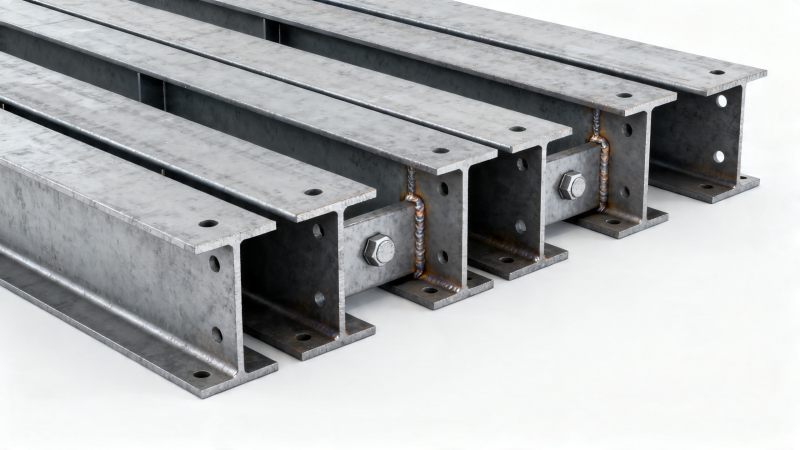
In warehouse builds, I-Shaped Beams are expected to do more than carry gravity loads. They often work together with roof purlins, mezzanine frames, crane supports, wall systems, and connection plates. A common mistake is to treat beam selection as a simple size decision based only on section depth. In practice, engineers and buyers must consider span length, live load variation, lateral stability, connection details, service environment, and fabrication tolerance as a complete system.
The risk becomes higher in cross-border procurement. A section that looks comparable on paper may follow different ASTM, EN, JIS, or GB dimensional series, and this can affect weight, flange thickness, web thickness, and connection compatibility. For project managers working on 2–4 week procurement windows or phased delivery schedules, even a small mismatch can delay shop drawing approval, cause rework, or increase welding and fitting costs on site.
Another frequent issue is incomplete communication between the technical team and the purchasing side. Technical evaluators may focus on structural adequacy, while procurement teams look at unit price, lead time, and shipping efficiency. If those priorities are not aligned early, the project may end up with a beam that is technically acceptable but commercially inefficient, or one that looks economical at purchase stage but becomes expensive during installation and maintenance.
For warehouse projects, the most expensive mistakes usually come from four areas: underestimating real loads, using the wrong span strategy, ignoring corrosion or fire-related exposure, and selecting profiles that complicate fabrication. These mistakes affect not only the structural frame but also budget approvals, quality inspections, and future operational safety.
The 4 most common selection errors
- Choosing by nominal size only, without checking section properties, weight per meter, flange geometry, and connection requirements.
- Using simplified load assumptions and missing storage changes, suspended utilities, solar loads, equipment loads, or future mezzanine upgrades.
- Comparing only purchase price, while ignoring transport efficiency, fabrication hours, coating needs, and erection speed.
- Selecting a steel beam profile without confirming compliance with the target project standard and documentation expectations.
For distributors, contractors, and overseas buyers, the safest approach is to evaluate I-Shaped Beams as part of a complete warehouse steel package. Hongteng Fengda supports this process with standard sections, OEM structural steel solutions, and manufacturing aligned with common international standards. That matters when decisions must balance cost control, dependable lead time, and reduced sourcing risk across multiple project stages.
How should buyers evaluate load, span, and section suitability?
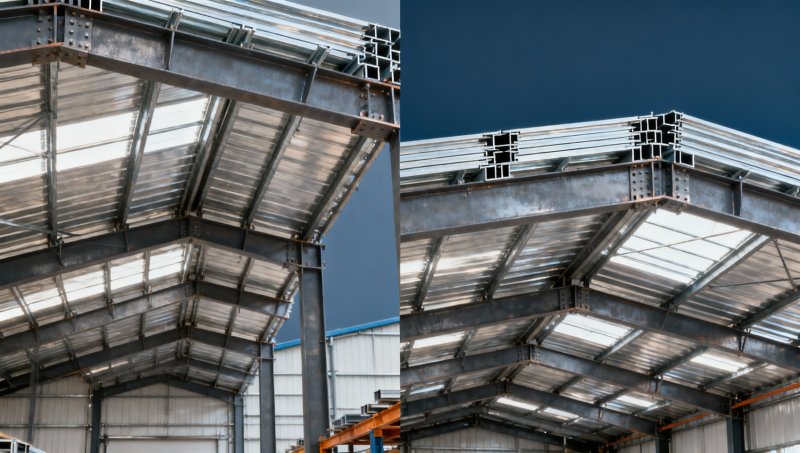
A reliable beam decision starts with three core variables: loading condition, unsupported span, and service criteria. In warehouse builds, a beam may need to support roof dead load, live maintenance load, suspended equipment, wind transfer, and sometimes racking-related structural interaction. If any one of these is omitted at the early stage, the selected section may pass a basic estimate but fail practical coordination later.
Span is especially important because beam depth alone does not determine performance. Two profiles with similar depth may behave very differently due to flange width, web thickness, and section modulus. For long-span warehouse frames, even small differences in stiffness can change deflection performance, connection design, and roof alignment. In many practical projects, the design team reviews at least 3 categories of checks: strength, serviceability, and constructability.
Purchasing teams should also ask whether the beam is intended for primary framing, secondary support, mezzanine use, or localized reinforcement. A beam that works for a 6–8 m secondary span may not be suitable for a 10–15 m primary warehouse span. The same section can also perform differently depending on whether the frame uses bolted end plates, welded assemblies, or composite floor interaction.
The table below helps technical and commercial teams review common beam selection checkpoints before RFQ release or final order confirmation.
This comparison shows why beam procurement should never rely on a single dimension or a supplier’s generic recommendation. A better decision process combines structural checks with documentation review, logistics planning, and fabrication practicality. In many projects, this avoids 1–2 rounds of revision that would otherwise push delivery beyond the planned installation sequence.
A practical 5-point review before order placement
- Confirm the governing design standard and required steel grade before comparing quotes.
- Verify span map, loading assumptions, and any future expansion requirement.
- Check whether the quoted profile is a true equivalent or only visually similar.
- Review fabrication drawings for connection feasibility and coating access.
- Align delivery batch plan with site erection sequence, usually in 2–3 shipment stages for medium to large warehouse projects.
For companies sourcing from China, this early review is where an experienced structural steel manufacturer makes a real difference. Hongteng Fengda supports buyers with section matching, OEM processing, and export coordination so that beam selection can align with both engineering intent and commercial reality.
What material and alternative choices are often misunderstood?
One misconception in warehouse steel selection is that all alternatives to I-Shaped Beams deliver the same value if the weight looks similar. In reality, section shape affects bending behavior, torsional resistance, connection detailing, and fabrication time. Hot rolled beams are often preferred for primary structural members because of stable geometry and predictable performance, while channel or built-up alternatives may fit secondary members or special design constraints.
Another mistake is ignoring the service environment. In humid regions, coastal projects, chemical storage areas, or processing plants, corrosion protection becomes a budget and maintenance issue from day one. The structural frame may still use carbon steel beams, but project planners often need stainless or corrosion-resistant support materials for filters, screens, partitions, ventilation protection, or processing interfaces around the warehouse operation zone.
In those cases, it can be useful to combine structural beam procurement with auxiliary industrial materials from the same sourcing review. For example, Stainless Steel Welded Mesh can be specified for filters, sieves, chemical industry areas, mining-related facilities, architectural infill, and residential or utility protection zones. Available grades include SS 201, 304, 304L, 316, 316L, and 430, with diameter ranges from 0.0008″–0.12″, mesh from 2–635 mesh, roll width up to 240″, and roll length up to 2000′.
This kind of insert product does not replace I-Shaped Beams, but it supports broader warehouse and industrial project coordination. Buyers handling multi-material packages often benefit when corrosion resistance, chemical exposure, or filtration requirements are reviewed together with the main steel structure. That approach reduces fragmented sourcing and helps quality teams verify material suitability across different functional zones.
Beam options and common selection logic
The table below gives a practical comparison for warehouse-related steel construction material decisions. It does not replace structural design, but it helps purchasers and project leaders ask better questions before approving a section family.
The key takeaway is simple: similar weight does not mean equal project value. Structural role, fabrication method, and environmental exposure should drive the decision. When a supplier can provide angle steel, channel steel, steel beams, cold formed sections, and customized structural components under one quality system, the buyer gains more flexibility in balancing performance, lead time, and total procurement effort.
When should corrosion-related materials enter the discussion?
- When the warehouse handles chemical, mining, or moisture-sensitive operations.
- When ventilation guards, filter layers, or partition protection need stainless performance.
- When maintenance intervals are expected to extend across 12–24 month inspection cycles.
This is where broader project sourcing expertise matters. It helps the client avoid treating the structural frame and the operating environment as two disconnected purchasing tasks.
What should procurement, QA, and finance teams check before approval?
For B2B warehouse projects, beam selection is not just an engineering decision. Procurement wants commercial clarity, QA needs documentation consistency, and finance wants a predictable cost structure. A practical approval process usually covers 6 key checkpoints: specification confirmation, standard matching, material traceability, fabrication scope, inspection plan, and delivery schedule. Missing any of these can create cost movement after PO release.
Quality and safety teams should pay special attention to mill documentation, dimensional tolerance, welding quality where applicable, surface condition, and coating preparation. If the project is supplied to North America, Europe, the Middle East, or Southeast Asia, the documentation format and inspection expectations may differ. That does not mean the beam is unsuitable, but it does mean the supplier must prepare documents and production control in line with project requirements.
Finance reviewers often focus on tonnage price, but total cost depends on more than the ex-works figure. Freight loading efficiency, bundle logic, port schedule, packaging protection, and batch release timing all affect landed cost and site productivity. In many warehouse jobs, a lower initial section price can be offset by longer installation hours or higher site adjustment costs.
The checklist below is useful for project owners, distributors, and contractors who need a balanced approval framework before signing off on I-Shaped Beams or related steel construction material.
Approval checklist for commercial and technical teams
- Specification clarity: confirm section designation, steel grade, quantity, coating requirement, and connection scope.
- Documentation set: confirm mill test records, inspection items, packing list logic, and drawing references.
- Production timing: ask for typical lead time ranges such as 2–6 weeks depending on tonnage, customization level, and export schedule.
- Inspection planning: define whether checks happen at raw material stage, fabrication stage, and pre-shipment stage.
- Logistics fit: align shipment batches with erection sequence so site teams receive steel in installation order rather than random packing order.
Why supplier capability matters in this stage
Hongteng Fengda serves global buyers with structural steel products and customized solutions across standard and OEM requirements. This matters when a project needs more than a catalog item. Stable production capacity, consistent quality control, and familiarity with ASTM, EN, JIS, and GB references help reduce sourcing friction, especially for buyers managing multiple stakeholders and tight internal approval cycles.
For distributors and EPC-related buyers, the value is not only in supply but in coordination. When section confirmation, processing details, quality checks, and export timing are handled as one workflow, the project team gains clearer control over schedule and compliance expectations.
FAQ: What do buyers ask most about warehouse beam selection?
The questions below reflect common concerns from engineers, purchasers, project managers, and decision-makers who compare I-Shaped Beams for warehouse construction. They also help search users understand where mistakes usually begin.
How do I know if an I-shaped beam is underspecified?
Warning signs include incomplete load assumptions, unusually low self-weight compared with similar quotes, missing deflection checks, or no mention of lateral restraint and connection condition. If the project includes suspended systems, future mezzanine upgrades, or wide spans above 10 m, a simplified beam choice should be reviewed carefully before procurement.
Are ASTM C-beam alternatives a direct replacement for I-Shaped Beams?
Not automatically. Channel sections can work in some secondary or localized applications, but they are not a universal substitute for primary warehouse beams. The decision depends on load direction, torsional behavior, connection layout, bracing strategy, and the project’s fabrication logic. A direct substitution without design review can create installation or performance issues.
What delivery timeline should buyers expect?
For standard structural steel, lead time often depends on tonnage, processing scope, and export plan. A practical planning range may be 2–6 weeks for production preparation and release, with shipping time added based on destination. Customized sections, heavy fabrication, or multi-item packages can extend the schedule, so early alignment on drawings and inspection scope is important.
What documents should be requested before final approval?
At minimum, buyers should ask for material grade confirmation, section details, production scope, inspection arrangement, packing logic, and documentation relevant to the project standard. For complex warehouse builds, it is also useful to confirm drawing references and any coating or fabrication records that will affect site acceptance.
Why work with a structural steel partner that understands both engineering and export execution?
Warehouse beam selection becomes easier when the supplier can support more than pricing. Hongteng Fengda manufactures and exports structural steel for global construction, industrial, and manufacturing projects, with product coverage including angle steel, channel steel, steel beams, cold formed profiles, and customized structural components. This gives buyers a more practical path when project scope includes both standard sections and tailored fabrication requirements.
If your team is comparing I-Shaped Beams for a new warehouse, expansion phase, mezzanine addition, or replacement package, the most useful next step is a technical-commercial review. You can discuss section selection, standard matching, OEM processing, delivery windows, documentation expectations, and cost-sensitive alternatives before finalizing the order structure.
This is especially valuable for buyers who need to reduce sourcing risk, keep budget control, and avoid delays caused by wrong profile choices. Whether the priority is parameter confirmation, custom structural steel components, certification-related documentation, sample support, or quotation planning, a coordinated review can save time across the full procurement cycle.
Contact Hongteng Fengda to discuss your warehouse beam specification, section comparison, lead time planning, export requirements, and integrated steel solution needs. A clear inquiry with span data, loading assumptions, required standards, quantities, and destination can help shorten the evaluation cycle and move your project toward a more reliable purchasing decision.
Please give us a message


Please enter what you want to find