Choosing the right galvanized steel conduit pipe is essential for safe electrical protection, long service life, and reliable performance on site. For users and operators, the decision should go beyond price and appearance, focusing instead on material quality, coating thickness, standards compliance, installation conditions, and supplier reliability. A properly selected conduit pipe helps prevent corrosion, mechanical damage, and unexpected maintenance risks. This guide explains the key factors to check before purchase and use, helping you make safer, more practical choices for construction, industrial, and manufacturing applications.
Understand the Working Conditions Before Selecting Conduit
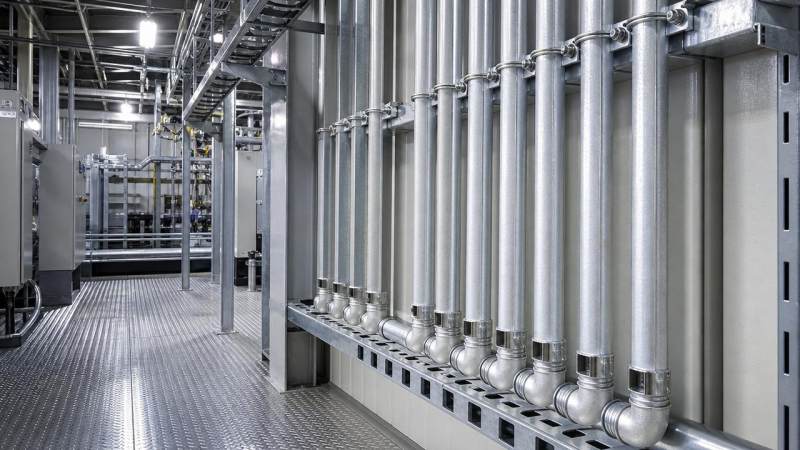
A galvanized steel conduit pipe is not selected in isolation. It must match the electrical route, installation environment, mechanical load, exposure level, and maintenance plan.
For operators, the first step is to identify whether the conduit will be installed indoors, outdoors, underground, near equipment, or in a corrosive industrial area.
Match the conduit to the installation environment
Indoor dry areas may require basic corrosion protection, while outdoor or humid locations usually need stronger galvanizing and better sealing at joints.
In workshops, warehouses, petrochemical facilities, and manufacturing plants, conduit may face impact, vibration, oil mist, water spray, and temperature changes during daily operation.
A practical selection should consider at least 4 operating factors: corrosion exposure, mechanical impact, bending route, and frequency of inspection.
Typical site checks for users
- Check whether the conduit will be exposed to rain, condensation, chemicals, or coastal air.
- Confirm if forklifts, cranes, tools, or equipment movement may strike the conduit route.
- Estimate the number of bends within a 10 m route to avoid difficult cable pulling.
- Reserve access points for inspection, especially in cable-dense industrial areas.
The following table summarizes common operating environments and the practical selection focus for galvanized steel conduit pipe users.
The key conclusion is simple: a safe conduit choice starts from the site, not the catalog. The same pipe size may perform very differently in 2 environments.
Check Material Quality, Galvanizing, and Standards
The safety of a galvanized steel conduit pipe depends strongly on the base steel, zinc coating, dimensional accuracy, and compliance with recognized standards.
Operators should not judge conduit quality only by a bright surface. A shiny appearance does not always prove coating thickness or long-term corrosion resistance.
Base steel and mechanical reliability
Good conduit should maintain stable roundness, consistent wall thickness, and enough mechanical strength to protect wiring from compression or accidental impact.
For most construction and industrial projects, buyers commonly check nominal diameter, wall thickness, pipe length, tolerance, and thread quality before acceptance.
A typical conduit inspection can include 5 points: surface, end cut, internal burrs, zinc layer condition, and connection fit with couplings.
Galvanized coating is the corrosion barrier
The zinc layer protects the steel substrate by forming a sacrificial barrier. If coating is thin, uneven, or damaged, rust may appear earlier at edges and threads.
Hot-dip galvanizing is commonly preferred where stronger corrosion protection is needed. Pre-galvanized pipe may suit lighter-duty indoor applications when specified correctly.
Users should request clear coating information, applicable standards, and inspection records, especially for outdoor or high-humidity installations with service expectations above 10 years.
Standards and documentation to request
- Material certificate showing grade, chemical composition, and mechanical properties when required.
- Dimensional report confirming diameter, wall thickness, and length tolerance.
- Galvanizing inspection record or coating declaration suitable for the project environment.
- Reference to relevant standards such as ASTM, EN, JIS, or GB according to the buyer’s market.
Hongteng Fengda manufactures and exports structural steel products from China, supporting global projects with controlled production, quality inspection, and standard-based supply.
Alongside conduit-related steel solutions, site operators often need safe working surfaces near equipment. For such areas, A36 Patterned steel plate can support anti-skid and decorative requirements.
This patterned steel plate is available in materials such as Q235B, A36, S235, SS400, and SM400A, with common thickness from 2–8 mm.
Its typical width range is 600–1800 mm, length can be 2–12 m or customized, and the pattern height is not less than 0.2 times substrate thickness.
Select the Right Size, Wall Thickness, and Routing Method
Even when material quality is acceptable, poor sizing can create overheating, cable damage, difficult pulling, or unsafe maintenance conditions during operation.
A galvanized steel conduit pipe should provide enough internal space for conductors while maintaining suitable strength for the installation route.
Conduit fill and cable pulling space
Operators should avoid overfilling conduit. Crowded cables increase pulling friction, reduce heat dissipation, and make future replacement more difficult.
As a practical rule, leave enough spare space for installation tolerance, cable expansion, and maintenance. Many projects use a 30%–40% fill reference.
If a route has 3 or more bends, consider larger conduit size, intermediate pull boxes, or route redesign to reduce cable stress.
Wall thickness and mechanical exposure
Thicker conduit generally provides better impact resistance, but it also increases weight, handling effort, and installation cost.
In light indoor routing, a standard wall may be sufficient. In exposed machinery areas, operators should prioritize stronger conduit and more frequent supports.
Support spacing should follow project specifications, but many installations review bracket distance within common ranges such as 1.5–3 m depending on pipe size.
The table below outlines practical selection factors that users can apply before confirming galvanized steel conduit pipe specifications.
The table shows why sizing is both an electrical and mechanical decision. Safe conduit selection balances cable space, strength, installation labor, and maintenance access.
Avoid Common Safety Mistakes During Installation
A qualified galvanized steel conduit pipe can still fail early if it is cut, bent, connected, or stored incorrectly before use.
Operators should treat installation as a 5-step quality process: receiving inspection, storage, cutting, fitting, and final route verification.
Protect the zinc layer during cutting and bending
Cut ends, scratches, and damaged threads are vulnerable points. Remove burrs carefully and apply suitable repair treatment where zinc coating is exposed.
When bending conduit, use proper tools to avoid flattening. Severe ovality reduces cable pulling space and may concentrate stress on insulation.
For repeated bends in prefabrication, sample testing before batch installation can reduce scrap and rework by preventing route mismatch.
Control storage and handling before installation
Conduit should be stored on level supports, away from standing water and corrosive chemicals. Wet bundled pipe should not remain sealed for long periods.
If storage exceeds 30 days in humid conditions, operators should visually check for white rust, coating damage, and deformation before use.
Installation mistakes to prevent
- Using mismatched couplings that do not fully engage the threads.
- Leaving cut edges untreated in outdoor or damp areas.
- Pulling cables through sharp internal burrs after cutting.
- Installing long routes without pull boxes or inspection access.
- Mixing different coating qualities in the same exposed area.
Good field practice is often inexpensive. Spending 10 minutes on end inspection can prevent hours of cable replacement or fault tracing later.
Evaluate Supplier Reliability for Safer Procurement
For B2B buyers and site operators, supplier reliability directly affects safety, delivery schedule, inspection workload, and long-term maintenance cost.
A dependable supplier should provide stable specifications, clear communication, packaging suitable for export, and documentation aligned with the project standard.
What to ask before placing an order
Before purchasing galvanized steel conduit pipe, request samples or sample photos, dimensional tolerances, coating details, packing method, and estimated lead time.
For overseas projects, typical procurement planning may include 1–2 weeks for technical confirmation and 2–4 weeks for production or shipment preparation.
If the project uses ASTM, EN, JIS, or GB standards, confirm the standard at quotation stage, not after production has started.
Why structural steel experience matters
Hongteng Fengda supplies structural steel for construction, industrial, and manufacturing projects, including angle steel, channel steel, steel beams, cold formed profiles, and customized components.
This broader steel supply capability helps buyers coordinate related materials, reduce sourcing risks, and keep specifications consistent across different site requirements.
For projects requiring floor safety near electrical equipment, A36 Patterned steel plate may be considered with conduit protection planning.
Its anti-skid surface is suitable for transportation, construction, machinery, shipbuilding, decoration, and floor areas around equipment where operators need stable footing.
Supplier evaluation checklist
- Confirm whether the supplier can provide standard and customized steel specifications.
- Ask for inspection support covering size, surface, coating, and packing.
- Review export experience for your region, including North America, Europe, the Middle East, or Southeast Asia.
- Check communication response, document clarity, and realistic delivery commitments.
The safest supplier is not simply the lowest quotation. It is the partner who helps reduce uncertainty across specifications, quality control, delivery, and after-sales coordination.
Maintenance, Inspection, and Long-Term Use
Choosing the correct galvanized steel conduit pipe is only the beginning. Long-term safety also depends on inspection routines and timely repair.
Operators should create a practical inspection schedule based on site risk. Normal indoor areas may be checked annually, while harsh areas may need quarterly review.
Inspection points after operation begins
Look for rust at joints, water marks near couplings, loosened brackets, dents, broken seals, and abnormal heat signs around cable exits.
If the conduit protects critical control cables, add inspection after major equipment relocation, building modification, or accidental impact events.
Practical maintenance actions
- Clean dust, oil, and chemical residue from exposed conduit surfaces regularly.
- Tighten loosened clamps and replace damaged fittings as soon as defects are found.
- Repair local coating damage according to project-approved methods.
- Record defects with photos, location, date, and repair status for traceability.
A maintenance record with 4 basic fields can make future troubleshooting faster. It also helps managers plan replacement before serious corrosion develops.
Make a Safer, More Practical Conduit Decision
A safe galvanized steel conduit pipe choice combines the right material, coating, size, installation method, and supplier support.
Users and operators should focus on real working conditions, not only purchase price. Corrosion, impact, poor fittings, and difficult cable pulling all create hidden costs.
Hongteng Fengda supports global buyers with reliable structural steel products, OEM options, strict quality control, and compliance with major standards including ASTM, EN, JIS, and GB.
If you need galvanized steel conduit pipe guidance or related structural steel solutions for construction, industrial, or manufacturing applications, contact us to discuss product details and obtain a customized solution.
Please give us a message


Please enter what you want to find