Choosing a reliable angle steel supplier is critical for ensuring product quality, cost control, and on-time project delivery. Whether you need structural steel solutions for construction, manufacturing, or industrial applications, the right partner should offer certified products, stable supply capacity, and responsive service. In this guide, we explain the key factors buyers should evaluate before selecting a trusted steel profile manufacturer.
What makes an angle steel supplier reliable in real projects?
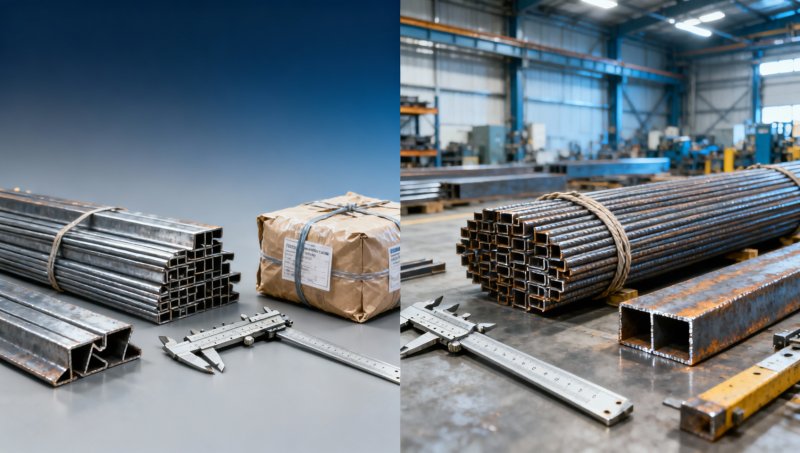
In the steel industry, reliability is not defined by a low quotation alone. A dependable angle steel supplier must combine stable raw material sourcing, controlled production, specification accuracy, and predictable delivery. For project managers, procurement teams, and quality inspectors, the real question is whether the supplier can keep the same standard across 1 batch, 10 batches, or long-term supply over 3–12 months.
Angle steel is widely used in steel structures, frames, supports, machinery bases, racks, towers, and reinforcement parts. Because it often serves a structural or load-bearing function, small errors in section size, thickness tolerance, straightness, or hole processing can affect installation speed and downstream safety. This is why technical evaluation should start before price negotiation.
A reliable supplier should be able to support standard grades and custom requirements under ASTM, EN, JIS, or GB systems. For international buyers, this reduces the risk of specification mismatch between design documents and delivered cargo. It also helps finance approvers and business evaluators avoid hidden costs caused by rework, claims, or delayed shipment.
For distributors and end users, supplier reliability also means communication efficiency. Response time within 24–48 hours, clear production schedules, and accurate packing lists are practical indicators. When these basics are missing, even a competitive price can turn into procurement risk.
Four practical signs buyers should verify early
- The supplier can provide complete specification confirmation before production, including size, grade, standard, length range, and surface condition.
- The factory has a clear quality control process covering raw material inspection, in-process checks, and final dimensional review.
- Lead times are explained by order size, such as stock supply in several days or made-to-order production in 2–4 weeks.
- Export support is available for packing, marking, documentation, and standard compliance confirmation for destination markets.
Hongteng Fengda operates as a structural steel manufacturer and exporter from China, supplying angle steel, channel steel, steel beams, cold formed steel profiles, and customized structural steel components. For global buyers, this integrated scope matters because mixed steel procurement often works better when one supplier can coordinate multiple profiles, documentation, and shipment plans under one schedule.
Which supplier evaluation criteria matter most before placing an order?
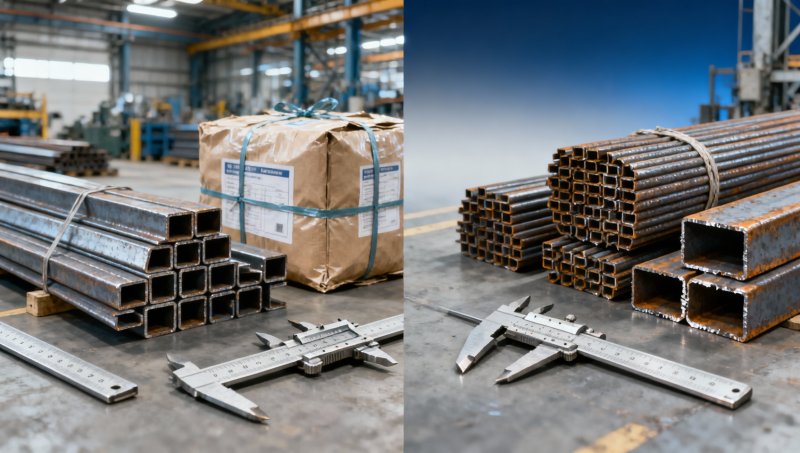
When choosing an angle steel supplier, buyers should compare more than unit price. The most useful procurement framework usually includes 5 key dimensions: product compliance, manufacturing capacity, quality consistency, delivery capability, and service responsiveness. These factors help technical teams and commercial teams evaluate the same supplier from different angles without missing hidden risks.
Before RFQ approval, it is also smart to define whether your order belongs to small-batch trial supply, medium-volume repeat purchase, or project-scale procurement. A supplier that performs well on 1 container may not always manage multi-specification projects with split delivery over 2 or 3 shipment windows. Capacity and planning discipline should therefore be checked in advance.
The table below summarizes a practical supplier assessment model for angle steel sourcing. It is useful for purchasing officers, project leaders, quality managers, and decision-makers who need a structured review before supplier approval.
This type of assessment helps buyers compare suppliers on facts rather than sales language. In many steel purchasing cases, the strongest supplier is not the one with the lowest initial quote, but the one with fewer deviations, more stable delivery, and better problem-solving ability over the full purchase cycle.
A useful 3-step pre-order review
- Confirm technical details: grade, standard, section size, thickness range, and any cutting or punching requirements.
- Confirm commercial terms: MOQ, packing method, lead time, shipment method, and payment milestones.
- Confirm quality evidence: inspection records, test certificates where applicable, and final document checklist before dispatch.
For global sourcing teams, this 3-step review can prevent many common issues, especially when multiple departments are involved in approval. It also creates a clear basis for comparing Chinese structural steel manufacturers on equal terms.
How do standards, tolerances, and product range affect your risk?
A reliable angle steel supplier should not treat all steel products as interchangeable. Structural applications require close attention to standard systems, tolerances, and material grade selection. A buyer sourcing for North America may focus on ASTM-related requirements, while a European project may prioritize EN-aligned documentation and dimensional consistency for fabrication compatibility.
Tolerances matter because field installation rarely forgives repeated deviations. In steel structures, even moderate variance across thickness, length, or straightness can slow assembly and increase labor cost. For fabricated or welded components, problems multiply when angle steel is paired with beams, channels, or plates sourced from different suppliers without coordinated specification control.
An experienced structural steel manufacturer can reduce these risks by supplying both standard sections and complementary products. In many projects, buyers do not purchase angle steel alone. They also require checker or patterned plates for anti-slip flooring, equipment platforms, and industrial access areas. In such mixed procurement, product integration can simplify logistics and documentation.
For example, some industrial and construction buyers also source A36 Patterned steel plate together with structural profiles. Typical specifications include thickness from 2–8mm, width from 600mm–1800mm, and length from 2m–12m, with anti-skid and decorative functions for floors around equipment, transportation, machinery, and shipbuilding applications. Combining such products under one export plan can help reduce coordination time and improve shipment efficiency.
What technical details should buyers ask for?
- Material grade options and equivalent standards, especially when substituting between ASTM, EN, JIS, and GB systems.
- Dimensional tolerances for section size, thickness, length, and any secondary processing requirements.
- Surface condition, marking method, bundling, corrosion protection expectations, and export packing details.
- Inspection method and documentation process before shipment, especially for projects with third-party review.
Hongteng Fengda supports global buyers with structural steel products that align with major international standards including ASTM, EN, JIS, and GB. For buyers handling projects across North America, Europe, the Middle East, and Southeast Asia, that flexibility is practical because it shortens the gap between engineering requirements and supply execution.
Why mixed-product supply can improve procurement efficiency
When a supplier can provide angle steel, channels, beams, cold formed profiles, and related steel plates in one sourcing plan, buyers often gain better schedule control. Instead of managing 4 or 5 separate vendors, the project team can centralize specification review, packing coordination, and shipping documents. This is especially useful for projects with tight installation windows or phased site deliveries over 2–6 weeks.
How can buyers compare price, delivery, and service without missing hidden costs?
The cheapest angle steel quote does not always produce the lowest landed cost. Buyers should compare total sourcing value, including rework risk, document accuracy, packaging quality, shipment timing, and communication efficiency. A low ex-works price can become expensive if material arrives late, mismatched, or poorly packed for export handling.
This is particularly important for enterprise decision-makers and finance approvers. In structural steel procurement, cost overruns often come from indirect losses rather than base material price. Delayed fabrication, site idle time, additional freight, and urgent replacement orders can easily outweigh a small difference in unit rate.
The comparison table below helps evaluate supplier offers from a total-cost perspective. It is suitable for steel importers, contractors, fabricators, and distributors reviewing 2–3 shortlisted suppliers.
This comparison does not mean buyers should ignore price. It means price should be judged together with service depth and operational stability. In many B2B steel transactions, a balanced offer produces better project economics than the lowest quote on paper.
Common hidden costs in angle steel sourcing
- Incorrect specification confirmation that leads to remanufacturing or replacement purchase.
- Unstable delivery that causes fabrication delays or missed installation windows.
- Insufficient packing protection that increases damage during inland handling or ocean transport.
- Incomplete export documents that slow customs clearance or internal compliance approval.
For buyers under budget pressure, the smart approach is to request a complete quotation structure, not just a final number. Ask for grade, processing scope, packing, delivery range, and expected production cycle. That transparency makes supplier comparison much more accurate.
What questions should different buyer roles ask before approval?
An angle steel supplier is usually reviewed by more than one person. Engineers look at compliance and fit-up. Procurement compares price and lead time. Finance checks payment exposure. Quality teams focus on inspection control. Because each role sees a different risk, supplier selection becomes more effective when the review process is role-based rather than informal.
For a structured internal review, buyers can work through 6 key checkpoints. This method is useful for contractors, factories, distributors, and project developers managing steel purchases with multiple stakeholders.
Six approval checkpoints for angle steel procurement
- Technical fit: Are the steel grade, size, and standard fully aligned with drawings and intended load conditions?
- Manufacturing feasibility: Can the supplier handle required lengths, cutting, punching, or OEM processing within the target schedule?
- Quality assurance: Is there a clear inspection sequence from incoming material to pre-shipment review?
- Commercial stability: Are payment terms, Incoterms, and quotation scope clearly defined without ambiguous exclusions?
- Logistics readiness: Can the supplier support bundling, marking, packing, and shipping documents for the destination market?
- Service continuity: Can the same supplier support repeat orders over the next 6–12 months if the project expands?
For users and operators, practical usability should not be ignored. Ask whether the steel sections are easy to identify on site, whether bundles are marked by size and grade, and whether dimensional consistency supports fast assembly. Seemingly small details can save hours per shift during installation.
For distributors and agents, product range breadth is another advantage. If one manufacturer can support angle steel, channel steel, beams, cold formed profiles, and complementary plate products, it becomes easier to serve diverse customer requests without switching supply partners too often.
FAQ: buyer concerns that come up most often
How long is the normal delivery cycle for angle steel orders?
Delivery depends on stock status, order volume, and processing complexity. For common sizes in stock, supply can be much faster. For customized or project-based orders, buyers often plan around a 2–4 week production window, plus export booking time. The key is not the shortest promise, but whether the schedule is realistic and consistently met.
Is it better to buy from a trader or directly from a manufacturer?
It depends on the project. Traders may be useful for mixed spot supply or local stocking needs, while direct manufacturers are often better for specification control, customization, and repeat project orders. If your purchase includes multiple structural steel items or OEM work, direct manufacturer coordination is usually more efficient.
What should I request before confirming the final order?
Request a final specification sheet, quotation with clear scope, expected production schedule, packing details, and documentation list. If the project has strict compliance or inspection needs, discuss these before production starts. Waiting until shipment stage usually creates avoidable delay.
How can I reduce sourcing risk for recurring steel purchases?
Start with a qualified supplier review, then standardize your approval checklist across all repeat orders. Keep records for size, grade, document format, and packing preference. This creates repeatability and reduces the chance of variation across monthly or quarterly procurement cycles.
Why work with a structural steel manufacturer that understands global procurement?
Choosing a reliable angle steel supplier is easier when the manufacturer understands not only steel production, but also the full export and project delivery process. Hongteng Fengda serves global buyers with structural steel products and customized solutions for construction, industrial, and manufacturing applications. This matters because international sourcing requires more than supply capacity alone.
With modern manufacturing facilities and strict quality control, Hongteng Fengda supports standard specifications and OEM structural steel requirements. The product range covers angle steel, channel steel, steel beams, cold formed steel profiles, and customized structural steel components. For buyers, this creates better coordination across multi-item orders and phased deliveries.
The company also works with major international standards such as ASTM, EN, JIS, and GB, helping overseas customers align product selection with project documents and market expectations. For importers, contractors, distributors, and manufacturers, this can reduce sourcing risk, improve communication efficiency, and support more predictable procurement outcomes over time.
If you are comparing angle steel suppliers for a new project or recurring purchase plan, you can contact Hongteng Fengda for specification confirmation, product selection support, lead time discussion, OEM processing review, compliance matching, sample communication, and quotation evaluation. Sharing your required grade, size range, standard, quantity, destination market, and delivery target is the fastest way to receive a practical supply proposal.
Why choose us for angle steel sourcing?
- Support for standard and customized structural steel supply, helping buyers manage both routine and project-based orders.
- Compatibility with major international standard systems, useful for cross-market procurement and technical review.
- Stable production capacity and dependable lead-time coordination for global construction and industrial customers.
- Practical assistance on parameter confirmation, delivery planning, documentation, customization, and quotation communication.
If your team needs help comparing steel grades, verifying dimensions, planning shipment timing, or combining angle steel with other structural products, a detailed inquiry can save time at the evaluation stage. Clear technical input at the start usually leads to faster quotation, smoother approval, and fewer execution risks later.
Please give us a message


Please enter what you want to find