Choosing the right carbon steel sheet means balancing thickness, surface finish, fabrication performance, and total project cost. For procurement teams, the wrong specification can lead to processing issues, delivery delays, or unnecessary expense. This guide explains the key trade-offs buyers should evaluate before ordering, helping you compare options more clearly and source carbon steel sheet that matches structural, industrial, and manufacturing requirements with greater confidence.
What Buyers Are Really Deciding When Purchasing Carbon Steel Sheet
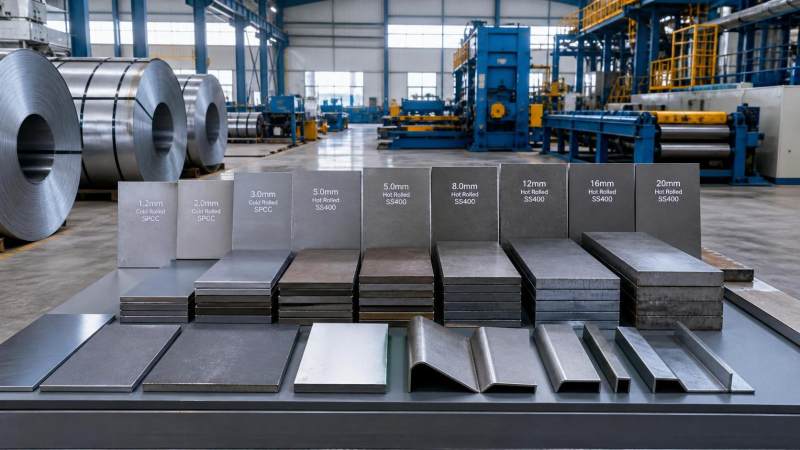
For most procurement teams, buying carbon steel sheet is not simply a matter of finding the lowest unit price. The real decision is whether the sheet will perform well in forming, welding, cutting, coating, and final assembly.
That is why thickness, finish, flatness, dimensional tolerance, and mill standard matter together. A sheet that looks cheaper on paper may create hidden costs through rework, scrap, slow fabrication, or quality disputes later.
In practical terms, buyers usually need to balance three priorities at once: mechanical suitability, processing efficiency, and supply reliability. The best purchase is often the one that lowers total project risk, not just material cost.
How to Choose the Right Thickness Without Overspending
Thickness is often the first filter when selecting carbon steel sheet because it directly affects strength, rigidity, forming behavior, weight, and price. Even small thickness changes can alter fabrication performance and freight cost in noticeable ways.
For structural supports, equipment housings, brackets, guards, and general fabricated parts, the required thickness should come from load conditions, span, deformation limits, and joining method. Procurement should confirm that design intent matches actual manufacturing practice.
Over-specifying thickness is a common purchasing mistake. It increases raw material spend, cutting time, forming force, tool wear, and transportation weight. In some projects, that extra thickness adds cost without improving the end-use result.
Under-specifying thickness creates a different set of problems. Thin sheet may deform during handling, distort during welding, or fail stiffness requirements after bending. The result can be rejected parts, delayed production, and additional sourcing rounds.
A useful approach is to ask suppliers for the nominal thickness, tolerance range, and applicable standard before comparing quotations. Two offers that appear equal may differ in actual tolerance control, and that difference affects yield and consistency.
Thickness Trade-Offs in Fabrication: Forming, Cutting, and Welding
Buyers should not evaluate thickness only from a design perspective. Fabrication route matters just as much. A thickness that works well for laser cutting may behave differently in punching, deep bending, roll forming, or welded assemblies.
Thinner carbon steel sheet is generally easier to cut and bend, and it supports higher processing speed. This can reduce labor and machine time. However, it may be more sensitive to surface damage, heat distortion, and flatness variation.
Thicker sheet usually delivers better rigidity and impact resistance. It can be more suitable for load-bearing components, heavy equipment panels, and industrial base structures. The trade-off is slower processing, higher energy use, and more demanding tooling.
Welding is another factor buyers often underestimate. Very thin sheet can burn through or distort if welding procedures are not tightly controlled. Thicker sheet may require more filler material, more passes, and stricter heat management.
When requesting quotes, procurement teams should mention the intended fabrication methods. A supplier that understands downstream processing can suggest a more suitable thickness band, which often prevents avoidable cost and production issues.
Which Surface Finish Makes Sense for Your Application
Surface finish affects more than appearance. It influences coating adhesion, corrosion protection, cleanability, friction in forming, and suitability for visible applications. Buyers should choose finish based on end use, not assumption.
Common carbon steel sheet supply conditions include hot rolled, cold rolled, pickled and oiled, galvanized, and pre-coated options. Each finish supports different manufacturing and service environments, with different implications for cost and lead time.
Hot rolled sheet is often selected for structural and industrial applications where tight surface appearance is less critical. It is usually cost-effective, but the surface scale and rougher texture may require additional cleaning or preparation.
Cold rolled sheet offers better surface smoothness, more consistent thickness, and tighter dimensional control. It is often preferred for parts that need precise forming, cleaner appearance, or painting quality, although it usually comes at a higher price.
Pickled and oiled sheet can be a practical middle ground for buyers who want reduced scale and better processability without moving fully into a more premium finish category. It often supports cleaner fabrication and coating preparation.
If the project requires outdoor durability or controlled corrosion resistance, zinc-coated or otherwise protected surfaces may make more economic sense than untreated carbon steel sheet, even when the initial price is higher.
How Finish Choice Affects Total Cost Beyond the Material Price
Procurement teams sometimes compare finishes only by purchase price, but the smarter comparison is full process cost. A cheaper surface may require blasting, grinding, extra chemical cleaning, or repeated paint preparation before production can proceed.
For painted or powder-coated parts, finish quality directly affects adhesion and final appearance. If the surface condition is inconsistent, coating defects may appear later. Rework at that stage is far more expensive than choosing the right finish early.
Visible products, appliance parts, cabinets, enclosures, and decorative metal applications usually justify better finish control because the acceptance standard is higher. In these cases, appearance-related rejection risk becomes part of procurement economics.
Even in mixed-material projects, buyers may compare carbon steel sheet with alternatives for specific components. For example, some projects using corrosion-resistant or decorative parts may also source items like 310 Stainless Square steel rod for adjacent fabricated assemblies.
The key lesson is simple: finish should be selected according to fabrication path, exposure conditions, and acceptance criteria. A surface that reduces preparation time and quality risk often delivers the lower total cost.
What Specifications Buyers Should Confirm Before Placing an Order
A purchase order for carbon steel sheet should define more than grade and size. To reduce disputes, buyers should confirm standard, thickness tolerance, width and length tolerance, flatness, edge condition, surface condition, and packing method.
If the sheet will be cut into nested parts, usable width and flatness become especially important. Small deviations can affect material utilization and machine setup. These issues are often discovered only after the material reaches the workshop.
For export projects, buyers should also confirm the governing standards, such as ASTM, EN, JIS, or GB, and check whether the supplier can provide mill test certificates and traceability. This is critical for regulated or quality-sensitive applications.
It is also wise to ask whether the order comes from stock, future rolling, or custom processing. Lead time, tolerance consistency, and minimum order quantity may differ significantly depending on the supply route.
Packaging deserves more attention than many buyers give it. Poor packing can lead to edge damage, rust, or sheet surface scratching during ocean transport. Material claims caused by packaging failures can erase any savings from a low quote.
Questions That Help Procurement Avoid Common Sourcing Mistakes
Before placing the order, buyers should ask a short list of practical questions. What is the exact application? What fabrication processes will follow? Is the surface visible? Is corrosion protection required? What tolerances are truly necessary?
These questions help separate critical requirements from inherited specifications that may no longer be necessary. In many organizations, purchasing documents are copied from earlier jobs even when the actual project conditions have changed.
Another common mistake is choosing by grade name alone. Two suppliers may both offer carbon steel sheet that appears equivalent, while actual performance differs because of chemistry range, rolling control, or tolerance consistency.
Sampling can help for larger or repeated orders. A small trial lot allows the production team to check cutting behavior, forming response, weldability, and coating results before the full volume is released. This reduces risk substantially.
Procurement should also evaluate the supplier’s communication quality. Fast and clear responses on technical details, certification, and delivery planning usually indicate a more dependable partner over the life of the project.
How to Compare Suppliers on More Than Price
Reliable sourcing of carbon steel sheet depends on execution as much as specification. A competitive quote is useful only if the supplier can maintain consistent quality, stable lead times, and documentation that supports your project requirements.
Ask suppliers about production capacity, inspection process, export experience, and the standards they routinely work with. For global buyers, this matters because logistics coordination and compliance paperwork can affect delivery just as much as manufacturing.
Procurement teams should also check whether the supplier can support custom dimensions, OEM processing, and mixed product requirements. Consolidating related steel purchases with a capable exporter can reduce administrative cost and shipping complexity.
For buyers managing broader fabricated steel demand, working with a supplier experienced in structural items, formed profiles, and specialty metal components can simplify sourcing. In some cases, complementary products such as 310 Stainless Square steel rod may also be part of the same purchasing plan.
Hongteng Fengda, as a structural steel manufacturer and exporter from China, supports global construction, industrial, and manufacturing customers with standard and customized steel supply, international standard compliance, and stable delivery coordination.
A Practical Buying Framework for Carbon Steel Sheet
If you need a simple decision framework, start with application demands first, then move to fabrication needs, then supply and logistics. This sequence prevents buyers from overemphasizing unit price before the technical fit is clear.
First, define the load, exposure, appearance, and lifespan requirements. Second, confirm the fabrication route, including cutting, forming, welding, and coating. Third, compare thickness and finish combinations that meet those conditions with the lowest total cost.
After that, verify standards, tolerances, certification, lead time, and packaging. Finally, assess supplier reliability, especially for export orders and repeat purchasing. This process gives procurement a more defensible basis for supplier selection.
In most cases, the right carbon steel sheet is the one that performs predictably in production, satisfies the end-use requirement, and arrives with the documentation and consistency your team needs. That is the real benchmark.
Conclusion
Buying carbon steel sheet well means understanding trade-offs, not chasing a single specification or the lowest quote. Thickness affects strength, fabrication speed, and cost. Finish affects process efficiency, surface quality, and downstream risk.
For procurement teams, the best results come from linking material choice to actual application, processing method, and supplier capability. When those factors are aligned, you reduce sourcing uncertainty, control total project cost, and improve production outcomes.
A disciplined review of thickness, finish, tolerance, fabrication impact, and delivery reliability will help you make better purchasing decisions and source carbon steel sheet with greater confidence for structural, industrial, and manufacturing use.
Please give us a message


Please enter what you want to find