Choosing between carbon pipe and stainless steel pipe comes down to service environment, corrosion risk, pressure and temperature requirements, fabrication needs, and total lifecycle cost. In most cost-sensitive structural and general industrial applications, carbon pipe is the practical choice. In corrosive, hygienic, or high-cleanliness environments, stainless steel pipe usually delivers better long-term value despite the higher upfront price. For buyers, engineers, and project teams, the right decision is less about which material is “better” in general and more about which one fits the operating conditions, standards, and maintenance expectations of the project.
What is the real difference between carbon pipe and stainless pipe in practice?
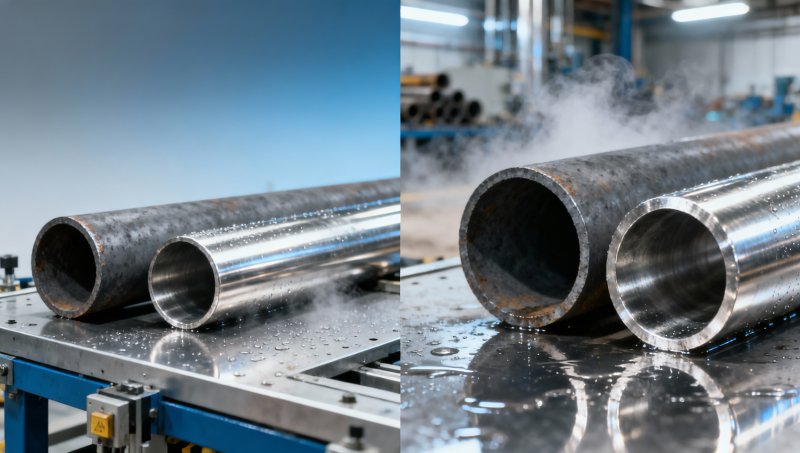
The core difference is simple: carbon pipe is primarily selected for strength, availability, and lower cost, while stainless steel pipe is selected for corrosion resistance, cleaner surface performance, and longer service life in aggressive environments.
Carbon steel pipe is widely used in structural support, fire protection lines, oil and gas transport, mechanical systems, and general industrial applications. It is strong, easy to source, and usually more economical. However, if moisture, chemicals, salt, or process contamination are part of the operating environment, carbon steel often needs coatings, lining, painting, galvanizing, or regular maintenance to avoid rust and premature failure.
Stainless steel pipe contains chromium and, depending on grade, nickel and molybdenum. This alloy composition creates a protective passive layer that improves corrosion resistance. That is why stainless options are common in food processing, water treatment, chemical plants, marine environments, pharmaceutical systems, and exposed architectural applications. Stainless steel square pipe is also popular where both appearance and durability matter.
If you need a quick rule of thumb, use carbon pipe when the environment is controlled and budget is critical. Use stainless pipe when corrosion, cleanliness, or long-term maintenance cost is the bigger concern.
Which option is better for your project: cost now or value over time?
Many sourcing mistakes happen because teams compare only purchase price. In reality, the better choice depends on total installed and operating cost.
Carbon pipe often wins on initial cost:
- Lower raw material price
- Broad market availability
- Suitable for large-volume procurement
- Good fit for projects with protective coatings or indoor service
Stainless pipe often wins on lifecycle value:
- Lower corrosion-related maintenance
- Longer service life in wet or chemical environments
- Reduced replacement frequency
- Better hygiene and cleaner appearance
For procurement teams, the key question is not only “What does the pipe cost per ton?” but also “What will corrosion, downtime, coating maintenance, cleaning, and replacement cost over 5 to 15 years?” In many industrial systems, the more expensive material can reduce total ownership cost if failure risk is high.
This same thinking applies to other steel products used around a project. For example, corrosion protection is often essential not only for pipe systems but also for sheet and coil materials used in enclosures, ducting, framing, and fabricated components. In such cases, galvanized products like Gi Coil can be a practical option where moderate corrosion resistance and longer service life are needed. Common grades include DX51D+Z, DX52D+Z, SGCC, and S350GD+Z, with thicknesses from 0.12mm to 3.5mm, widths from 600mm to 1500mm, and zinc coating ranges such as 60-275g/m² for hot galvanizing. For buyers comparing steel material strategies across one project, this highlights an important point: the right corrosion-control solution depends on component function, exposure conditions, and cost target.
How do corrosion conditions change the material decision?
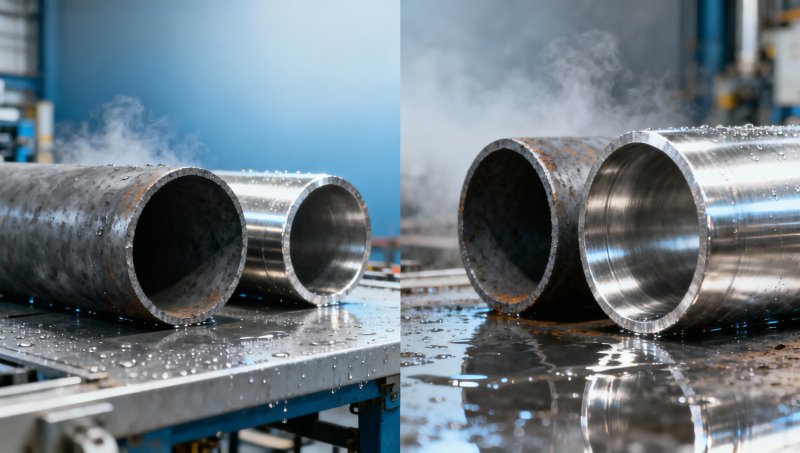
Corrosion is usually the deciding factor.
Choose carbon pipe when:
- The pipe is used indoors or in dry service conditions
- External coatings, wraps, or paint systems are acceptable
- The medium is non-corrosive or corrosion can be controlled
- Regular inspection and maintenance are realistic
Choose stainless pipe when:
- The environment includes water, humidity, chlorides, or chemicals
- Cleanability and sanitary performance matter
- The pipe is exposed outdoors for long periods
- Maintenance access is difficult or expensive
However, not all stainless grades perform the same. For example, 304 stainless is widely used for general corrosion resistance, while 316 stainless is preferred in more aggressive chloride or marine environments. A poor grade choice can lead to avoidable corrosion even when stainless is used.
Likewise, not all carbon pipe applications are high risk. In protected systems, painted or coated carbon steel can be fully suitable and far more economical. That is why environmental analysis should come before material selection.
What about strength, pressure, and industrial standards?
For many technical evaluators, the decision is not only about corrosion. Mechanical performance and code compliance are also critical.
Carbon steel pipe is commonly used in pressure systems, structural applications, and industrial transport lines because it provides reliable strength and is available in many standardized forms. Depending on the application, buyers may compare welded pipe, seamless steel tube, and standard pressure pipe specifications. In oil and gas or related industrial fields, API pipe standards are often part of the discussion because they define requirements for specific service conditions.
Stainless steel pipe also offers good strength, but the exact performance depends on grade, wall thickness, manufacturing method, and service temperature. In some high-temperature or corrosive process systems, stainless may provide a safer and more durable solution. In highly demanding applications, engineers should confirm pressure ratings, weldability, impact properties, operating temperature limits, and applicable international standards such as ASTM, EN, JIS, or GB.
The best procurement decisions happen when teams compare more than material names. They should compare:
- Pipe grade and chemical composition
- Welded vs. seamless construction
- Pressure and temperature limits
- Surface finish and corrosion protection
- Inspection, testing, and certification requirements
Where does each pipe type make the most sense?
Different use cases make the decision clearer.
Typical applications for carbon pipe:
- Structural frames and support systems
- General mechanical and utility piping
- Oil, gas, and fire protection systems
- Projects with tight budgets and planned maintenance
Typical applications for stainless steel pipe:
- Food and beverage processing
- Pharmaceutical and sanitary systems
- Chemical processing plants
- Marine and coastal installations
- Water treatment and exposed architectural systems
If appearance matters, stainless steel square pipe may also be preferred for visible installations because it combines a modern finish with stronger corrosion resistance than untreated carbon steel. If hidden service lines are the focus and corrosion is controlled, carbon pipe may be the more cost-effective solution.
How should buyers and project managers make the final decision?
A reliable decision process should balance engineering requirements and commercial risk. Start with these five questions:
- What fluid, load, or process will the pipe handle?
- What are the real corrosion conditions, including humidity, chemicals, and salt exposure?
- What standards, approvals, or client specifications apply?
- How important are maintenance access, service life, and replacement cost?
- What is the full project budget, including coatings, fabrication, inspection, and downtime risk?
For distributors, contractors, and international buyers, supplier capability matters just as much as material choice. Stable production, dimensional consistency, quality control, and documentation support can reduce sourcing risk significantly. A qualified structural steel manufacturer and exporter can help align steel products with project specifications, whether the need is for standard steel sections, OEM components, or supporting materials for industrial and construction use.
When evaluating quotations, avoid comparing only the base price. Review mill test certificates, standards compliance, coating details if applicable, delivery reliability, customization support, and after-sales responsiveness. These factors directly affect project execution.
Final answer: carbon pipe or stainless pipe?
If your priority is lower upfront cost, strong mechanical performance, and broad industrial use in controlled conditions, carbon pipe is often the right choice. If your priority is corrosion resistance, hygiene, appearance, and lower maintenance over time, stainless steel pipe is usually the smarter investment.
There is no universal winner. The best choice depends on service environment, required standards, fabrication needs, and lifecycle cost. For engineers, buyers, and decision-makers, the most effective approach is to match the material to actual operating risk rather than selecting based on price alone. That is how projects reduce failure risk, control long-term cost, and achieve reliable performance.
Please give us a message


Please enter what you want to find