Choosing between 201 vs 304 stainless steel cost isn’t just about upfront price—it’s about long-term value for your steel square rod, stainless round, flat plate stainless steel, or structural projects. At Hongteng Fengda, a trusted structural steel manufacturer & exporter from China, we’ve seen how opting for cheaper 201 stainless can backfire in corrosion resistance, weldability, and compliance—especially in demanding applications like I beam vs H beam frameworks or SMLS pipe systems. Whether you’re comparing Angle Steel price per ton Philippines, evaluating standard vs custom steel lead time, or sourcing cold-formed profiles, the real cost includes downtime, rework, and safety risk. Let’s break down when ‘cheaper’ truly costs more.
Why “Lower Price” Often Means Higher Total Cost
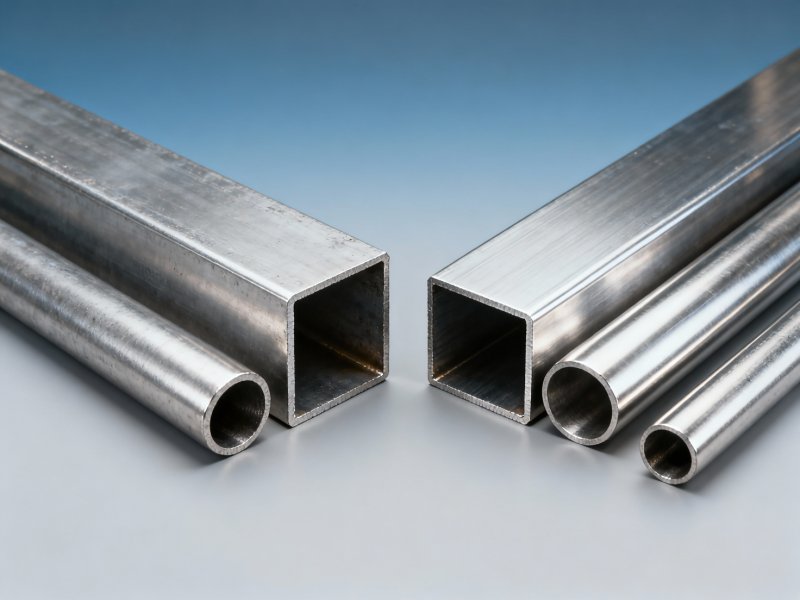
Many procurement teams and project managers prioritize initial unit cost—especially when budgeting for large-volume orders of stainless round bars, flat plate stainless steel, or structural components. But in real-world construction and industrial deployments, 201 stainless steel’s lower nickel content (typically 4–6% vs 304’s 8–10.5%) directly compromises performance under stress, humidity, chloride exposure, and thermal cycling.
At Hongteng Fengda, we routinely support clients across North America and the Middle East who initially selected 201 for cost-sensitive infrastructure projects—only to face premature pitting in coastal environments, cracking during cold-forming of channel steel, or rejection during third-party ASTM A240 inspection. The average rework cycle adds 7–15 days to project timelines and increases labor and logistics costs by 22–38% versus original estimates.
This isn’t theoretical. In one Southeast Asian power plant retrofit, switching from 201 to 304 on stainless square rods reduced maintenance frequency by 4× over 3 years—and eliminated 3 unplanned shutdowns tied to material failure. That’s where total cost of ownership (TCO) shifts decisively.
Key Technical Differences That Drive Real-World Risk
The distinction between 201 and 304 stainless goes beyond chemistry—it defines behavior in fabrication, service life, and regulatory acceptance. Below is a side-by-side comparison of critical parameters affecting structural integrity and compliance:
Note the paradox: while 201 has higher yield strength on paper, its lower chromium/nickel ratio reduces passive film stability—making it more vulnerable to localized corrosion in humid, saline, or acidic conditions common in marine construction, food processing plants, or HVAC ductwork. This directly impacts weld integrity, especially in cold-formed steel profiles requiring post-fabrication bending or drilling.
When Does 201 Make Sense?
There are niche scenarios where 201 remains viable—primarily non-structural, indoor, low-exposure applications with strict cost controls. Examples include decorative wire mesh, light-duty handrails, or certain packaging components. For instance, our Galvanized Stainless Steel Wire leverages low-carbon steel base with zinc coating (8–25 g/m²) for balanced cost and surface protection—ideal for breeding enclosures or barrier isolation where full stainless performance isn’t mandated.
- Indoor architectural trim (non-load-bearing)
- Low-stress handicrafts and decorative elements
- Short-life temporary structures with ≤2-year design life
Procurement Checklist: What to Verify Before Finalizing Your Order
For technical evaluators, procurement officers, and project managers, here are 5 non-negotiable verification points before approving any stainless steel supply—whether 201 or 304:
- Mill test report (MTR) confirming actual Ni/Cr/Mn composition—not just grade labeling
- ASTM A240 or EN 10088-2 certification validity, including traceable heat numbers
- Surface finish specification (e.g., 2B, No. 4, BA) and tolerance band (±0.03 mm typical for flat plate stainless steel)
- Weldability confirmation for your intended process (TIG, MIG, or laser)—especially critical for angle steel or H beam fabrication
- Lead time alignment: Standard 304 structural sections (beams, channels) typically ship in 10–25 days from order confirmation at Hongteng Fengda; custom cold-formed profiles require 4–6 weeks
We consistently see procurement delays caused by mismatched certifications—e.g., EN-certified material ordered for ASTM-governed U.S. projects—or unverified mill reports that fail third-party audit. Our quality team validates all documentation pre-shipment, reducing compliance risk by up to 90% versus spot-sourced vendors.
Why Partner With Hongteng Fengda for Structural Stainless Solutions
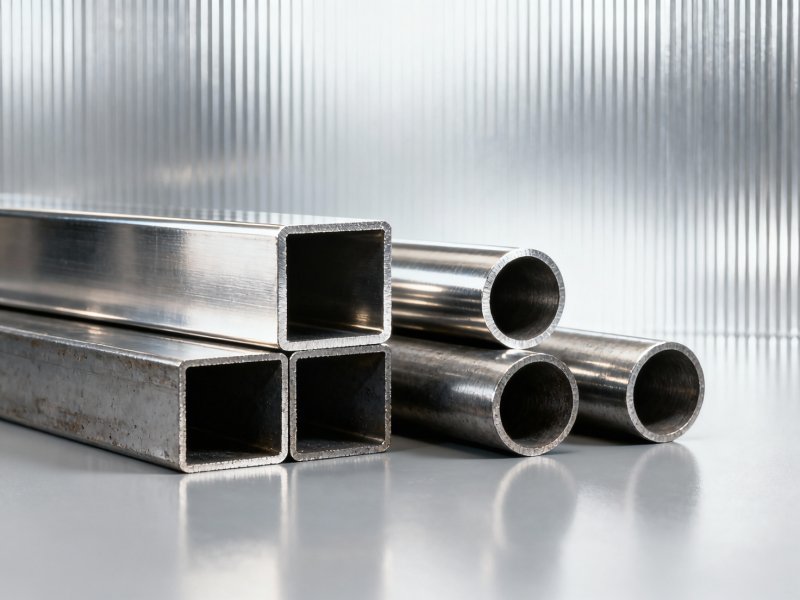
As a professional structural steel manufacturer & exporter from China, Hongteng Fengda bridges the gap between cost discipline and uncompromised performance. We don’t just supply 304 stainless square rods or flat plate stainless steel—we co-engineer solutions aligned with your application’s mechanical, environmental, and regulatory demands.
Our production facilities comply with ISO 9001:2015 and undergo biannual third-party audits against ASTM, EN, JIS, and GB standards. Every batch of angle steel, channel steel, or customized structural component is tested for tensile strength, bendability, and intergranular corrosion resistance (per ASTM A262 Practice E). We also offer OEM support—including laser-cutting, punching, and galvanizing coordination—for integrated project delivery.
Whether you need urgent samples for engineering validation, FOB/EXW pricing for Philippines-based distributors, or DDP terms for EU construction firms, our team provides responsive, bilingual support—with typical quote turnaround under 24 business hours and stable lead times across 12+ global markets.
Ready to compare actual 201 vs 304 stainless steel cost—including landed cost, TCO modeling, and certification readiness? Contact us today for a free technical consultation, material sample kit, or project-specific quotation.
Please give us a message


Please enter what you want to find