Understanding Steel Plate Angle Welding Fundamentals
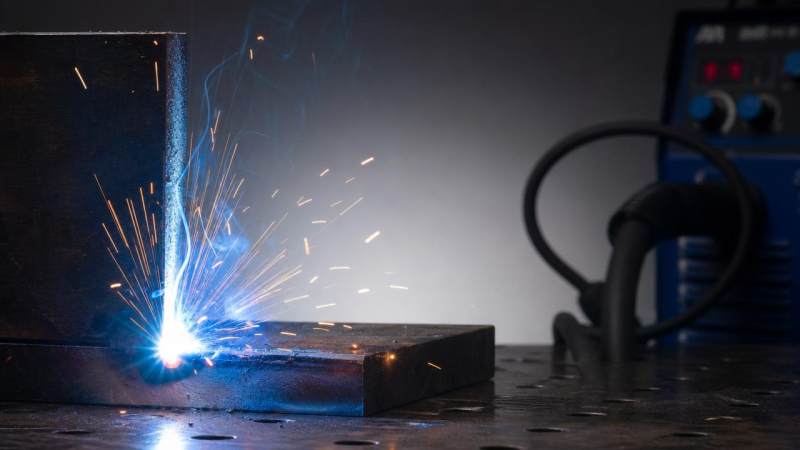
Welding steel plate angles requires precision to maintain structural integrity.
Angle steel components serve as critical load-bearing elements in construction.
Key Properties of Angle Steel
- L-shaped cross-section for optimal weight distribution
- Available in equal or unequal leg configurations
- Common thickness range: 3mm-24mm
Preparation Steps Before Welding
Proper preparation ensures 30% stronger weld joints.
Surface Treatment Requirements
- Remove mill scale and rust with abrasive blasting
- Degrease surfaces with acetone or alcohol
- Bevel edges for full penetration welds
Alignment and Fixturing Techniques
Use magnetic clamps for 90° joint positioning.
Maintain 1-2mm root gap for proper weld penetration.
Optimal Welding Methods for Steel Plate Angles
Select welding processes based on project specifications.
Shielded Metal Arc Welding (SMAW)
- Ideal for field welding conditions
- Use E7018 electrodes for structural joints
- Maintain 70-90° electrode angle
Gas Metal Arc Welding (GMAW)
Higher deposition rates for production welding.
Use 75% argon/25% CO2 mix for clean welds.
Quality Control and Inspection
Implement ASTM E390 standards for weld evaluation.
Visual Inspection Criteria
- No visible cracks or porosity
- Uniform weld bead profile
- Proper toe blending
Non-Destructive Testing Methods
Ultrasonic testing detects internal defects.
Magnetic particle inspection finds surface cracks.
Specialized Steel Components for Structural Applications
Beyond angle steel, other specialized profiles serve critical functions.
Rail components provide essential guidance and load distribution.
These elements require similar welding precision as angle steel.
Post-Welding Treatment and Protection
Proper finishing extends service life by 40-60%.
Stress Relief Procedures
- Heat treatment at 600-650°C
- Vibration stress relief alternatives
Corrosion Protection Methods
Hot-dip galvanizing provides 50+ years protection.
Epoxy coatings suit indoor applications.
Common Welding Defects and Solutions
Address these issues before final inspection.
Implementing Best Practices
Follow these guidelines for consistent results.
- Maintain 20-25°C preheat for thick sections
- Use backing bars for full penetration welds
- Implement interpass temperature control
Proper welding techniques ensure structural safety.
Consistent quality control prevents costly rework.
Please give us a message


Please enter what you want to find